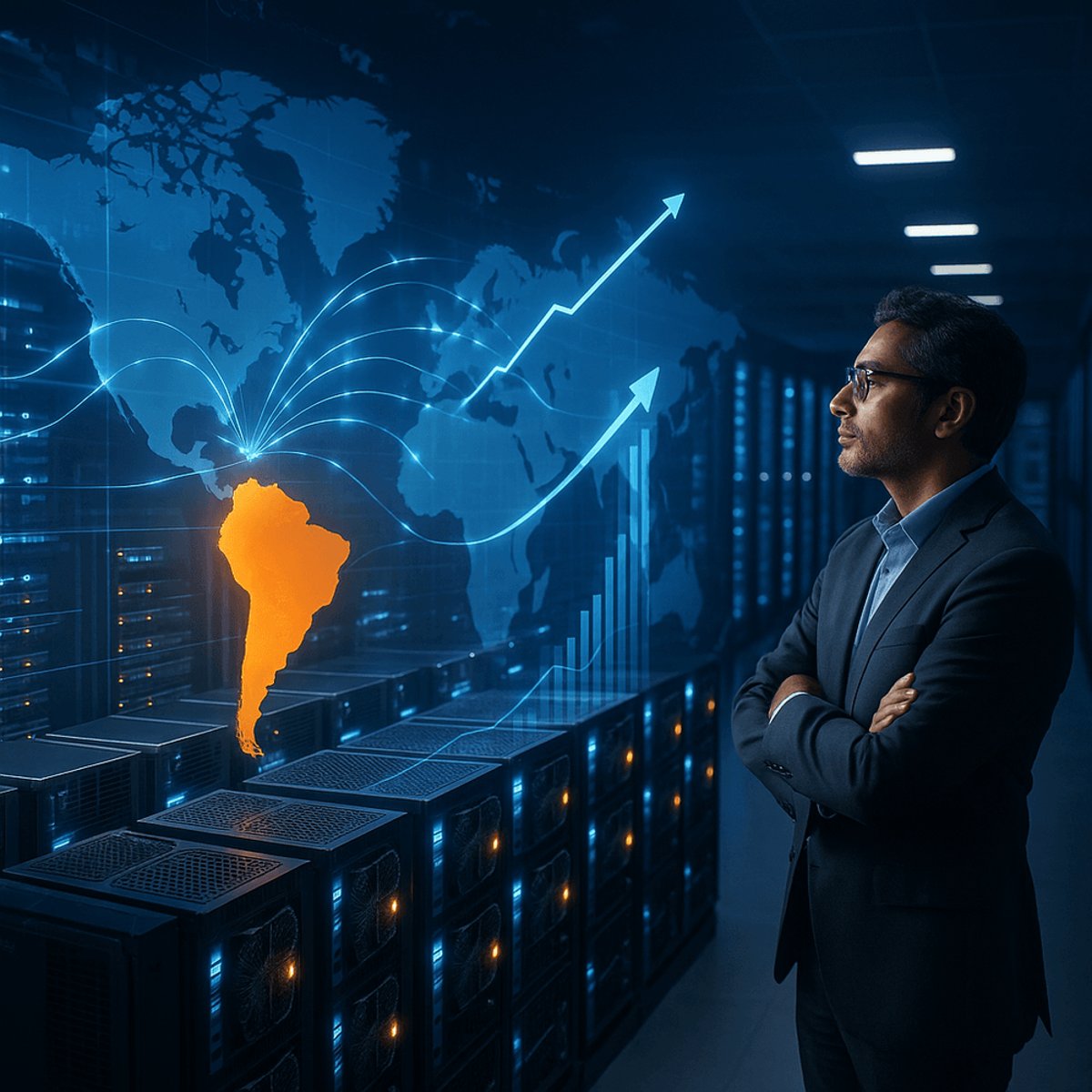
Blackstone just dropped up to $1.2 billion into India's AI infrastructure push, backing little-known startup Neysa in one of the largest compute infrastructure bets in an emerging market. The deal comes as India scrambles to build domestic AI capabilities, with Neysa targeting deployments of more than 20,000 GPUs to meet exploding demand for local compute power. It's a massive vote of confidence in India's tech sovereignty ambitions and signals that the global AI infrastructure race has officially gone multi-polar.
Blackstone is making its biggest bet yet on India's AI ambitions. The private equity giant just committed up to $1.2 billion in financing to Neysa, an Indian AI infrastructure startup most people outside Bangalore have never heard of. But that's about to change.
The deal marks one of the largest single investments in AI compute infrastructure in an emerging market, and it comes at a critical moment. India's been watching the US and China race ahead in AI development, and the government's made it clear that relying on foreign cloud providers isn't a long-term strategy. Data localization mandates, sovereignty concerns, and the sheer cost of shipping data halfway around the world have created a perfect storm of demand for domestic compute.
Neysa's planning to deploy more than 20,000 GPUs over time, according to sources familiar with the plans. That's not Nvidia or Microsoft scale, but it's serious firepower for a regional player. The startup's betting that Indian enterprises, AI labs, and government agencies will pay a premium for local infrastructure that keeps their data onshore and their latency low.
Blackstone's infrastructure team has been quietly building a portfolio of data center and compute assets, but this is their first major move into pure AI infrastructure in Asia. The timing makes sense - GPU shortages have eased somewhat, but access to cutting-edge compute remains a chokepoint for AI development outside the US. By backing Neysa now, Blackstone's positioning itself as the bankroll behind India's AI stack.
The economics are compelling. Indian AI startups and enterprises currently face a stark choice - use US-based cloud providers like AWS or Google Cloud and deal with latency plus data sovereignty issues, or build their own infrastructure at prohibitive cost. Neysa's betting there's a massive middle market willing to pay for managed GPU clusters that live in Mumbai and Bangalore instead of Virginia.
India's AI market has been growing at a blistering pace. Local language models, computer vision for agriculture, and AI-powered fintech are driving compute demand that's expected to rival European markets within five years. The government's also been pushing hard on AI development, with initiatives aimed at making India a global AI hub. But infrastructure has been the missing piece.
What makes this deal particularly interesting is the structure. Sources suggest the financing includes both equity and debt components, giving Blackstone significant upside if Neysa can capture even a fraction of India's AI compute market. The deal also positions Neysa to potentially become a consolidator, with the firepower to acquire smaller GPU clusters and data center capacity across South Asia.
The competitive landscape is heating up fast. Yotta Data Services, backed by the Hiranandani Group, has been building out GPU infrastructure. Tata Communications is expanding its AI compute offerings. And global players like Oracle are establishing local cloud regions with GPU capacity. But none have secured the kind of war chest Neysa just landed.
There are real execution risks. GPU economics are brutal - the hardware depreciates fast, power costs are climbing, and cooling 20,000 GPUs in India's climate isn't trivial. Neysa will need to maintain utilization rates above 70% to make the math work, which means signing anchor customers fast. The startup's also competing against cloud giants with decade-long relationships and enterprise sales machines.
But Blackstone didn't build a $1 trillion portfolio by avoiding calculated risks. The firm's clearly betting that the next wave of AI development won't be concentrated in Silicon Valley and that regional infrastructure plays will capture significant value. If Neysa can execute, it could become the template for AI infrastructure investment across Southeast Asia, Latin America, and Africa.
The deal also reflects a broader shift in how AI infrastructure gets financed. Instead of startups burning venture capital to build GPU clusters, we're seeing traditional infrastructure investors like Blackstone step in with larger checks and longer time horizons. It's a recognition that AI compute is becoming a utility - boring, capital-intensive, and potentially very profitable.
For India's AI ecosystem, the Blackstone backing is validation. It signals that international capital sees India as more than just an IT services hub and that the country's AI ambitions are credible enough to attract serious infrastructure investment. The next 12 months will be critical as Neysa races to deploy capacity and sign customers before the window closes.
Blackstone's $1.2 billion bet on Neysa isn't just about one startup or one market. It's a signal that the AI infrastructure race has gone global, and that emerging markets are building the compute capacity to compete on their own terms. For India, it's a chance to prove that AI development doesn't require shipping all your data to US cloud providers. For Blackstone, it's a calculated bet that regional AI infrastructure will capture massive value as compute demand explodes. And for the rest of the world, it's a reminder that the next chapter of AI might not be written in English or deployed from Virginia. Watch how fast Neysa can deploy those 20,000 GPUs - that timeline will tell you everything about whether India's AI infrastructure dreams are real or just another ambitious pitch deck.