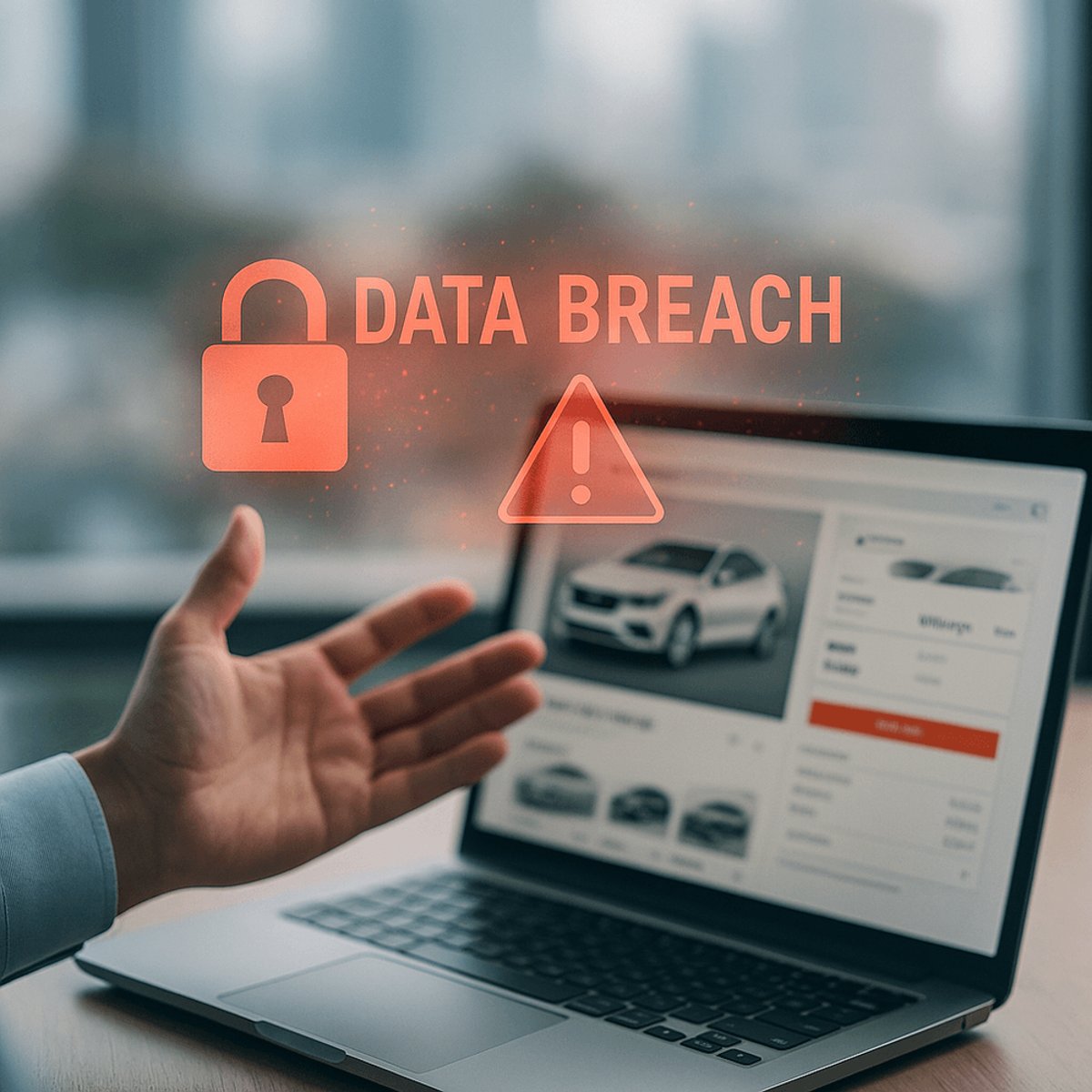
CarGurus, the automotive marketplace connecting car buyers and dealers, just confirmed a massive data breach affecting 12.5 million user accounts. The breach exposed names, email addresses, phone numbers, and physical addresses of customers, raising fresh concerns about consumer data security in the online automotive marketplace sector. The incident marks one of the largest consumer data breaches in the automotive tech space this year, putting millions of users at risk for phishing attacks and identity theft.
CarGurus, one of the largest online automotive marketplaces in North America, is notifying millions of users that their personal information was stolen in a significant data breach. The company confirmed that 12.5 million accounts were compromised, exposing a trove of customer data that could fuel phishing campaigns and targeted scams.
The stolen data includes names, email addresses, phone numbers, and physical addresses - exactly the kind of information cybercriminals need to launch convincing social engineering attacks. According to TechCrunch's initial report, the breach was first detected when the company identified suspicious activity on its systems.
CarGurus operates a platform where consumers research vehicles, compare prices, and connect with dealerships. The Cambridge, Massachusetts-based company went public in 2017 and has grown into a major player in the automotive marketplace sector, competing with platforms like Autotrader and Cars.com. With millions of users trusting the platform with their personal information to facilitate car purchases, the breach raises serious questions about data protection practices in the automotive tech industry.
The timing couldn't be worse for the automotive marketplace sector. As more consumers shift to online platforms for vehicle shopping - a trend that accelerated during the pandemic and hasn't reversed - these platforms have become attractive targets for cybercriminals. The data they hold is particularly valuable because it combines purchase intent signals with detailed personal information.
While CarGurus hasn't disclosed the exact timeline of when the breach occurred or how long attackers had access to its systems, the company is reportedly working with cybersecurity experts to investigate the incident. The breach doesn't appear to have compromised financial information or passwords, though users should still exercise caution.
Security researchers point out that even without payment card data, the stolen information is highly valuable on dark web marketplaces. Email addresses combined with phone numbers and physical addresses can be used to build detailed profiles for targeted attacks. Car buyers are particularly vulnerable to follow-up scams, since they're often expecting communications from dealerships and financing companies.
The breach also highlights a broader challenge facing consumer marketplace platforms. As these services scale to millions of users, they become bigger targets while often lacking the robust security infrastructure of larger tech companies. CarGurus isn't Amazon or Google - it doesn't have the same depth of security talent or resources to defend against sophisticated attacks.
This incident joins a growing list of consumer data breaches that have hit automotive and transportation platforms. The sector has seen increasing attention from cybercriminal groups who recognize that automotive marketplaces sit on valuable caches of consumer data without always having enterprise-grade security measures in place.
For affected users, the immediate concern is the potential for phishing emails and SMS scams. Criminals could pose as CarGurus, dealerships, or financing companies using the stolen contact information to appear legitimate. They might offer fake deals, request additional personal information, or try to install malware.
CarGurus will likely face scrutiny from regulators and potentially class-action lawsuits, depending on how the breach occurred and whether adequate security measures were in place. The company hasn't publicly commented on potential costs associated with the breach or whether it will offer credit monitoring services to affected users.
The breach serves as a reminder that consumers need to be vigilant even when using mainstream platforms. Just because a company is publicly traded and widely recognized doesn't mean its security is bulletproof. Users should enable two-factor authentication where available, use unique passwords for different services, and be skeptical of unexpected communications.
The CarGurus breach is a wake-up call for the automotive marketplace sector. As these platforms continue to grow and collect more consumer data, they need to match that growth with serious security investments. For the 12.5 million affected users, the immediate priority is staying alert for phishing attempts and monitoring accounts for suspicious activity. The incident also raises bigger questions about whether consumer marketplace platforms are doing enough to protect the data they're entrusted with - questions that regulators and investors will likely be asking in the coming weeks.