CoreWeave just locked in another massive payday from OpenAI. The AI cloud provider announced a $6.5 billion expansion of its partnership with the ChatGPT maker, bringing their total deal value to a staggering $22.5 billion. The agreement cements CoreWeave's position as the infrastructure backbone powering OpenAI's rapid scaling ambitions.
CoreWeave just dropped a bombshell that's reshaping the AI infrastructure landscape. The company announced Thursday it's expanding its partnership with OpenAI by another $6.5 billion, bringing their total deal value to an eye-watering $22.5 billion. This isn't just another tech partnership - it's validation that the AI boom needs serious infrastructure muscle to keep up with demand.
The announcement sent ripples through the market as investors digested what this means for the broader AI ecosystem. "This milestone affirms the trust that world-leading innovators have in CoreWeave's ability to power the most demanding inference and training workloads at an unmatched pace," CEO Michael Intrator said in the company's statement. The confidence in his voice reflects a company that's found its sweet spot in the AI gold rush.
This latest deal builds on an already massive foundation. Back in March, CoreWeave and OpenAI inked an $11.9 billion agreement to provide AI datacenters and technology over five years. Then in May, Intrator revealed they'd already expanded that by another $4 billion. Now with this latest $6.5 billion bump, it's clear OpenAI sees CoreWeave as indispensable to its scaling plans.
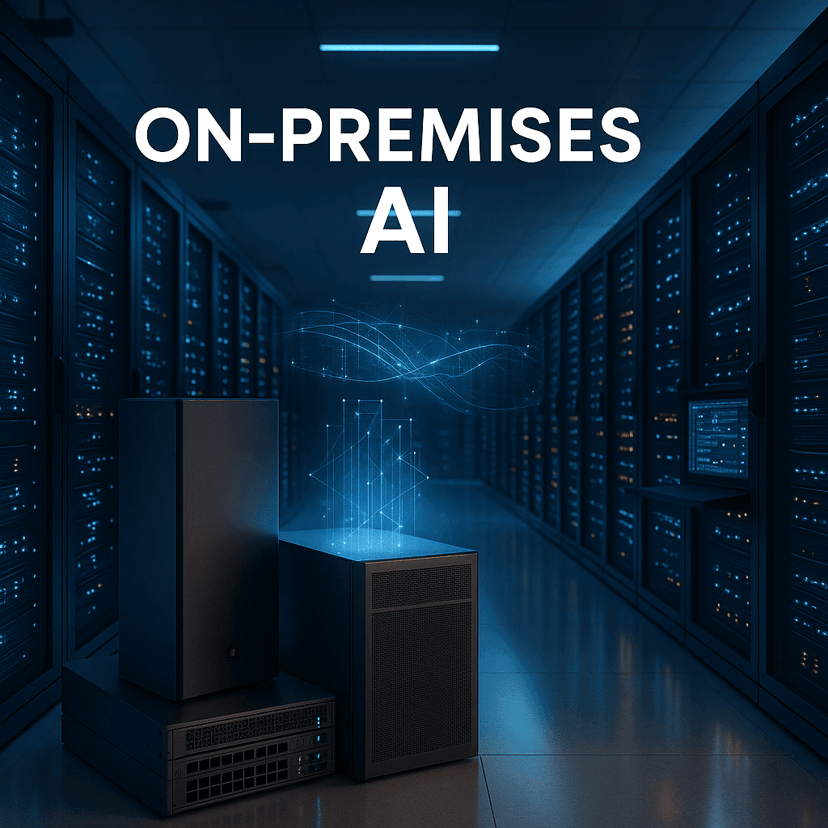
The relationship makes perfect sense when you dig into the business model. CoreWeave makes money by renting out data centers stuffed with Nvidia graphics processing units - exactly what AI companies need for training and running large language models. The company went public in March and has been riding the AI wave hard, with Nvidia itself as both a backer and major customer.
What's particularly interesting is how this deal fits into the broader AI supply chain. Microsoft, which has poured billions into OpenAI as a key investor, generates significant revenue for CoreWeave. It's a perfect example of how the AI ecosystem creates interconnected revenue streams - Microsoft funds OpenAI, OpenAI pays CoreWeave for infrastructure, CoreWeave buys GPUs from Nvidia, and the cycle continues.
The timing couldn't be better for CoreWeave investors. Earlier this month, the company's stock jumped after disclosing a $6.3 billion order from Nvidia. Combined with today's OpenAI announcement, it paints a picture of a company that's become essential infrastructure for the AI revolution.
Industry watchers aren't surprised by the scale of these deals. As Intrator recently told CNBC, building AI infrastructure will require "trillions in public-private investment." The numbers might sound astronomical, but they reflect the reality of what it takes to power AI at scale. Training and running models like GPT-4 requires massive computational resources, and someone has to provide them.
For OpenAI, having a reliable infrastructure partner like CoreWeave removes a major scaling bottleneck. Instead of building their own data centers - a capital-intensive process that takes years - they can focus on what they do best: developing AI models. For CoreWeave, these long-term contracts provide predictable revenue streams that justify massive capital investments in GPU infrastructure.
The deal also highlights how the AI infrastructure market is consolidating around a few key players. While companies like Amazon Web Services and Google Cloud compete in the broader cloud market, specialized players like CoreWeave are carving out profitable niches by focusing specifically on AI workloads.
CoreWeave's $22.5 billion partnership with OpenAI isn't just a massive deal - it's a blueprint for how the AI industry will scale. As companies race to deploy AI at enterprise scale, specialized infrastructure providers like CoreWeave are becoming the invisible backbone that makes it all possible. For investors, this validates the thesis that the real money in AI might not be in the models themselves, but in the picks and shovels that make them run.