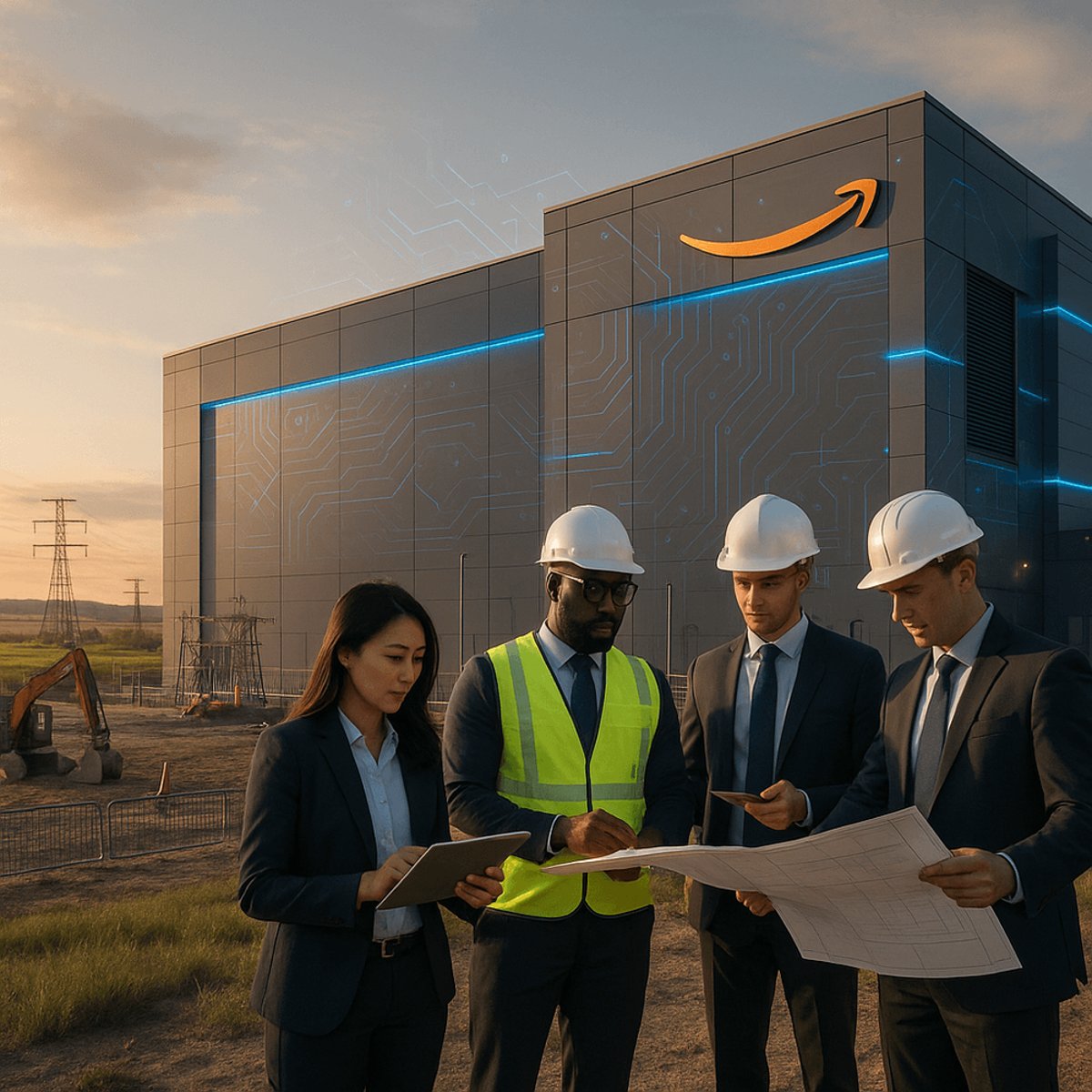
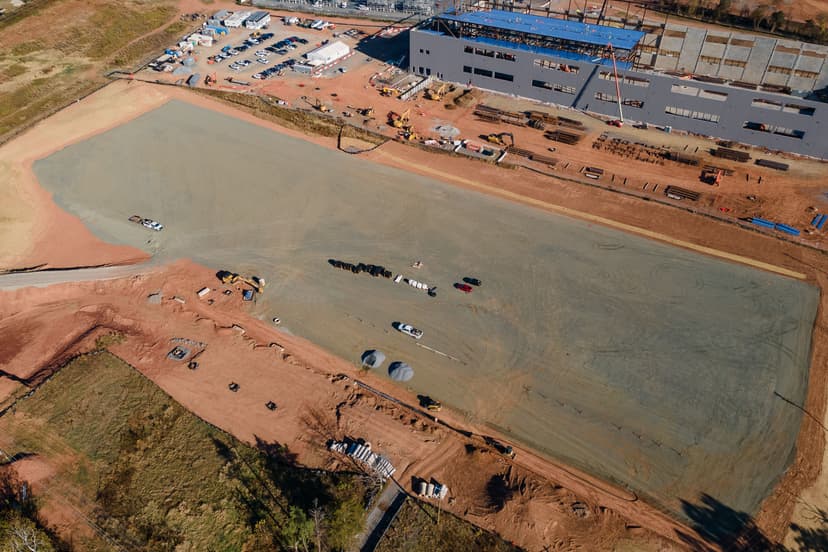
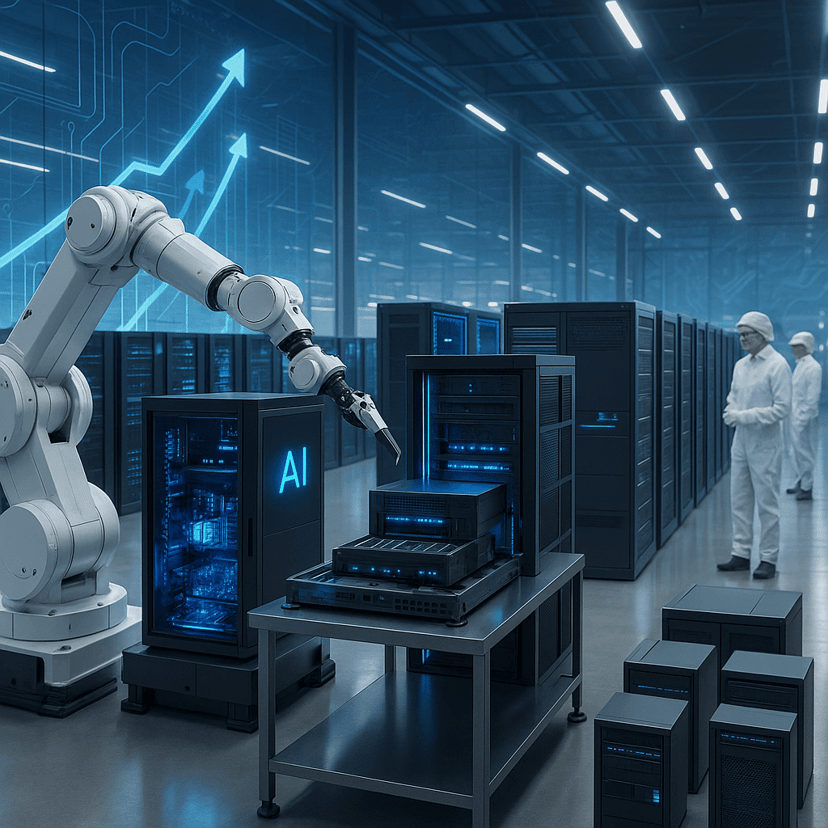
Amazon just announced its biggest single-state infrastructure bet yet - a staggering $15 billion investment in Northern Indiana data centers designed to power the next wave of AI innovation. The move creates 1,100 high-skilled jobs and adds 2.4 gigawatts of capacity to support everything from AWS cloud services to generative AI workloads that are reshaping the tech landscape.
Amazon is doubling down on the Midwest in a big way. The tech giant's latest $15 billion commitment to Northern Indiana represents one of the largest single-state infrastructure investments in the company's history, signaling just how serious Amazon is about capturing the AI gold rush that's driving unprecedented demand for data center capacity.
The announcement comes just over a year after Amazon pledged $11 billion for St. Joseph County, bringing the company's total Indiana commitment to a jaw-dropping $26 billion. But this isn't just about scale - it's about positioning AWS as the backbone for AI workloads that are reshaping everything from customer service to drug discovery.
"Generative AI is driving increased demand for advanced cloud infrastructure and compute power," Amazon explained in today's announcement, and the numbers back that up. The new facilities will add 2.4 gigawatts of data center capacity, enough to power millions of AI training runs and inference requests that companies worldwide are scrambling to access.
Indiana Governor Mike Braun called it "a major win," and he's not wrong. The project creates more than 1,100 high-skilled positions ranging from data center engineers to security specialists, plus thousands of supporting jobs for electricians, construction workers, and fiber-optic technicians. In a job market where tech skills command premium wages, that's the kind of economic development states fight for.
But Amazon's real masterstroke is how it structured the energy deal. Through a partnership with utility provider NIPSCO, Amazon will cover all infrastructure costs while delivering an estimated $1 billion in savings to existing customers over 15 years. "We're ensuring our current customers are protected, without increasing their rates," NIPSCO president Vince Parisi told reporters, addressing the elephant in the room that often accompanies massive data center projects.
The timing couldn't be better for Amazon's cloud ambitions. While competitors like Microsoft and Google are also racing to build AI-ready infrastructure, Amazon's early lead in cloud services gives it a crucial advantage. These Indiana facilities will house the same advanced architecture that powers Project Rainier, which Amazon claims is the world's largest AI supercomputer.
What sets this investment apart is Amazon's focus on custom silicon. The company has been designing its own chips, servers, and network architecture to deliver what it calls "unmatched performance" for AI workloads. That vertical integration strategy is paying dividends as enterprises look for cloud providers that can handle the massive computational demands of large language models and machine learning applications.
The ripple effects extend far beyond Amazon's bottom line. David Zapolsky, Amazon's chief global affairs and legal officer, emphasized the company's commitment to "fueling AI innovation while generating meaningful economic impact throughout the state." That includes extensive workforce development programs, from data center technician training to K-12 STEM education initiatives.
Since 2010, Amazon has invested more than $31.3 billion in Indiana, creating over 24,500 direct jobs and supporting an additional 27,500 indirect positions. The company now operates 13 fulfillment centers, 11 delivery stations, and existing data centers across the state, making Indiana a crucial hub in Amazon's national logistics and cloud infrastructure network.
For the broader tech industry, Amazon's Indiana expansion signals where the AI infrastructure race is heading. As companies from startups to Fortune 500 enterprises rush to integrate AI capabilities, the demand for specialized compute resources is outpacing supply. Amazon's massive capacity additions position AWS to capture a larger share of this exploding market.
The investment also reflects a broader trend of tech giants spreading their infrastructure investments beyond traditional coastal hubs. Indiana offers competitive energy costs, a skilled workforce, and business-friendly policies that make it an attractive alternative to more expensive markets like Northern California or Northern Virginia.
Amazon's $15 billion Indiana bet isn't just about building more data centers - it's about positioning AWS at the center of the AI revolution while proving that major tech infrastructure investments can benefit local communities. With energy costs covered, jobs created, and workforce development programs in place, this deal could become the template for how tech giants expand their footprint without triggering local backlash. For Amazon, it's a strategic play that strengthens their cloud leadership while the AI boom is just getting started.