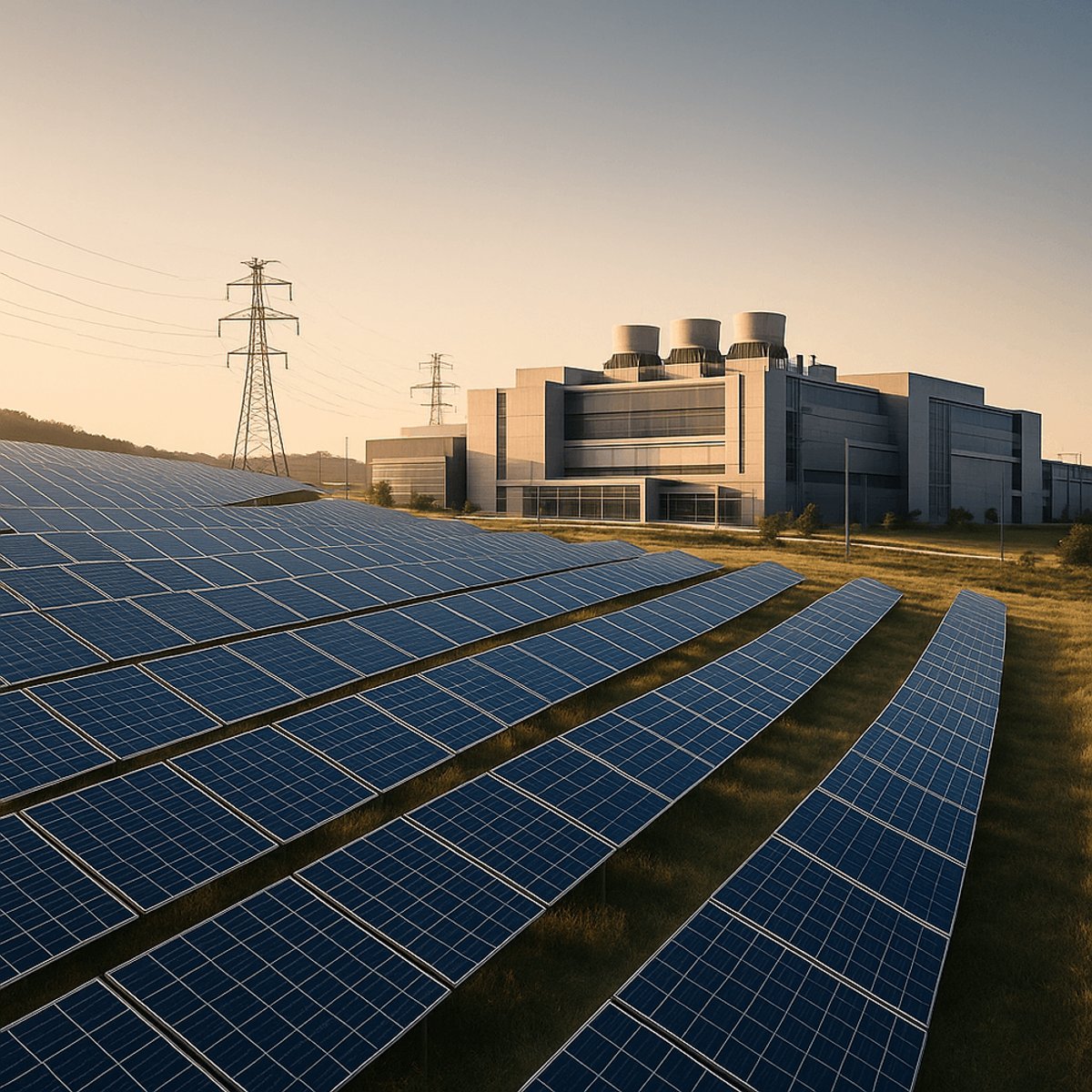
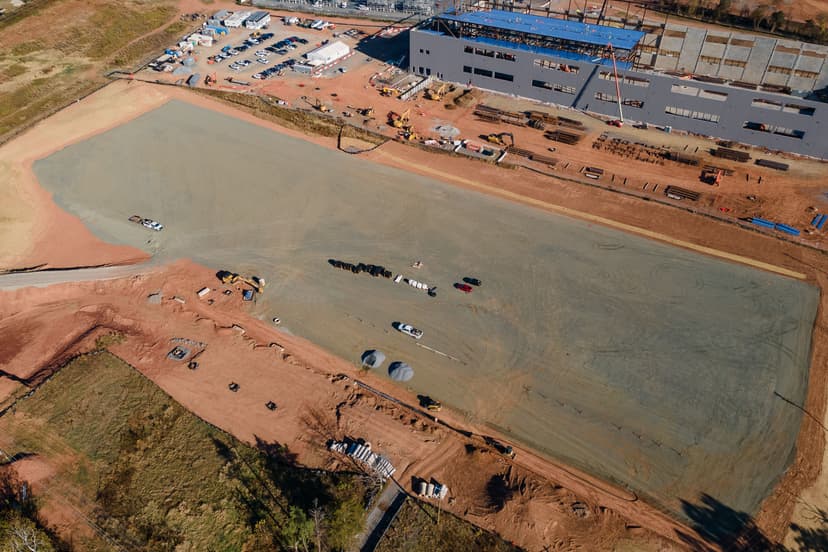
Elon Musk's xAI is building an 88-acre solar farm next to its massive Memphis data center, a move that comes as the company faces mounting criticism for operating hundreds of megawatts of unpermitted gas turbines. The project would generate about 30 megawatts - roughly 10% of the Colossus facility's power needs - while the company battles legal challenges over air quality violations in nearby communities.
xAI, Elon Musk's artificial intelligence venture, just told Memphis city planners it's moving forward with an 88-acre solar farm right next to its Colossus data center. The timing isn't coincidental - the company's been under intense fire for running over 400 megawatts of natural gas turbines without the proper permits, sparking a legal battle that's put the spotlight on AI's environmental cost.
The solar project would sit on land west and south of the existing facility, occupying part of a 136-acre vacant lot that's owned by the same developer behind the Colossus property. Based on typical solar farm output, the installation would likely generate around 30 megawatts of electricity. That sounds substantial until you realize it covers just 10% of what the data center actually consumes for training AI models.
The bigger story here is the mounting pressure xAI faces from environmental groups and local communities. The Southern Environmental Law Center, working alongside the NAACP, has been hammering the company for operating at least 35 turbines that pump out more than 2,000 tons of nitrogen oxide pollution annually. These aren't just numbers on a spreadsheet - they're affecting real people in Boxtown, a predominantly Black community adjacent to the facility.
Researchers from the University of Tennessee found that nitrogen dioxide concentration levels spiked 79% in areas immediately surrounding the data center after xAI fired up operations. Community activists are reporting increased asthma attacks and respiratory problems since the facility opened. "We've been preparing for this shift since Q2," one local health advocate told Time magazine in a recent investigation into the facility's impact.
The company insists it plans to phase out the turbines once it secures additional power from the grid, but local officials have already granted permits for 15 turbines to operate through January 2027. That's created a regulatory maze where some turbines have permits while others don't, making it difficult for environmental groups to track the full scope of emissions.
This Memphis solar announcement isn't xAI's first green energy play. Back in September, the company committed to a much larger 100-megawatt solar farm nearby, paired with 100 megawatts of grid-scale batteries to provide round-the-clock power. Seven States Power Company, the developer handling that project, secured a massive $439 million award from the U.S. Department of Agriculture - with $414 million coming as an interest-free loan.
That federal backing is particularly notable given how the Trump administration has been canceling clean energy grants left and right. The Environmental Protection Agency and Department of Energy have already pulled hundreds of millions in funding from other renewable projects, making xAI's approved funding look like a strategic win.
But even as xAI talks solar in Memphis, it's doubling down on gas turbines elsewhere. The company has added 59 more turbines at its Colossus 2 site in Mississippi, with 18 of them classified as "temporary" - a designation that conveniently means regulators don't have to track their pollution output. It's a pattern that suggests the solar announcements might be more about managing public relations than fundamentally changing how the company powers its AI ambitions.
The scale of power consumption at these facilities is staggering. Training large language models requires massive computational resources running 24/7, and data centers like Colossus represent some of the most energy-intensive operations on the planet. Even with the proposed solar installations, xAI would still rely heavily on fossil fuels to keep its AI training pipeline running.
xAI's solar farm announcement represents a small but symbolically important step toward cleaner AI infrastructure. However, with the proposed installation covering only 10% of the Memphis facility's power needs and gas turbine expansion continuing in Mississippi, it's clear that the fundamental challenge of powering AI at scale remains unresolved. The real test will be whether these renewable projects can scale fast enough to match the company's rapidly expanding computational demands, or if they'll remain largely cosmetic fixes to a much larger environmental problem.