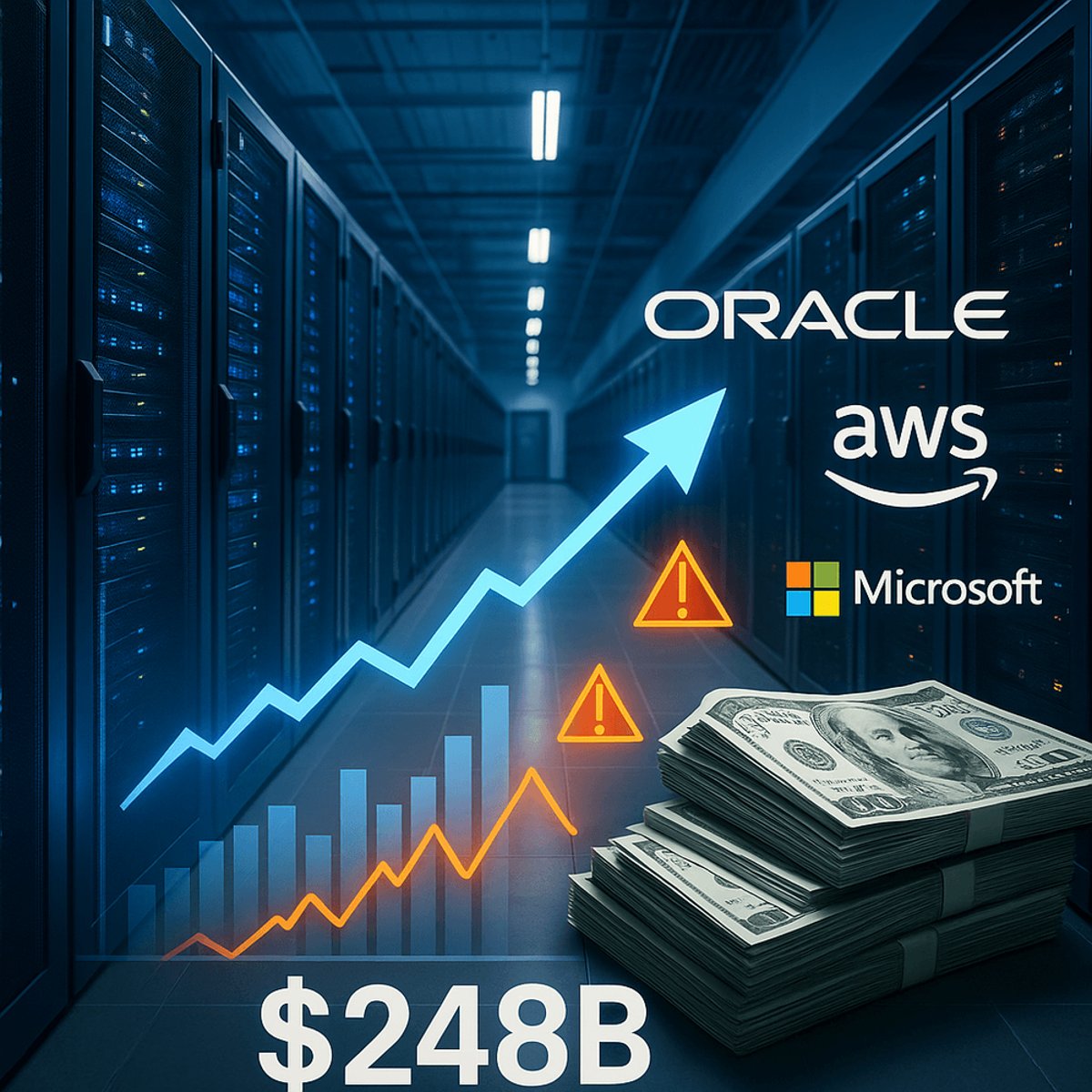
Oracle just dropped a bombshell in its latest quarterly filing: a staggering $248 billion in lease commitments for data centers and cloud infrastructure, up 148% in just three months. The software giant's aggressive bet reflects the brutal reality of the AI arms race - keeping pace with customer demand for computing power has become a capital-intensive arms race that's reshaping how enterprises finance their infrastructure.
Oracle just showed its hand in the AI infrastructure poker game, and the bet is enormous. The company disclosed $248 billion in lease commitments for data centers and cloud capacity that'll stretch for 15 to 19 years, according to its quarterly filing released Thursday. That's a jaw-dropping 148% jump from just three months earlier when the number sat at roughly $100 billion at the end of August.
Here's what makes this leap so telling: it's not just raw infrastructure spending. Of that $248 billion, $10 billion is specifically earmarked for cloud capacity arrangements - the bread and butter of competing with Amazon, Microsoft, and Google for a slice of the AI boom. Oracle CFO Doug Kehring told analysts on Wednesday's earnings call that the company has multiple funding sources available "throughout our debt structure in public bond, bank and private debt markets," but the numbers tell a story of capital intensity that's hard to ignore.
This move comes right after Oracle told investors it would spike capital expenditures to $50 billion from an earlier $35 billion forecast for the current fiscal year. The driver? New contracts from Meta and Nvidia, companies that are themselves locked in an infrastructure arms race. OpenAI has emerged as the crown jewel customer, having committed over $300 billion to Oracle back in September - a jaw-dropping number that signals just how capital-hungry these AI training operations have become.
The scale of Oracle's pivot into cloud infrastructure can't be overstated. Over the past decade, the software giant shifted from its core database business to become a serious player in cloud computing, competing directly with the three hyperscalers. That transformation is now bearing fruit in the form of massive customer commitments, but it's also creating a serious funding challenge.
By the end of November, Oracle owed over $124 billion when factoring in operating lease liabilities - that's a $35 billion jump from roughly $89 billion a year earlier. The company raised $18 billion in new debt back in September, a signal it was bracing for exactly this kind of spending surge. But debt levels are escalating faster than many investors expected, and RBC analyst Rishi Jaluria told CNBC this week that Wall Street is starting to ask uncomfortable questions about how Oracle will actually fund all of this.
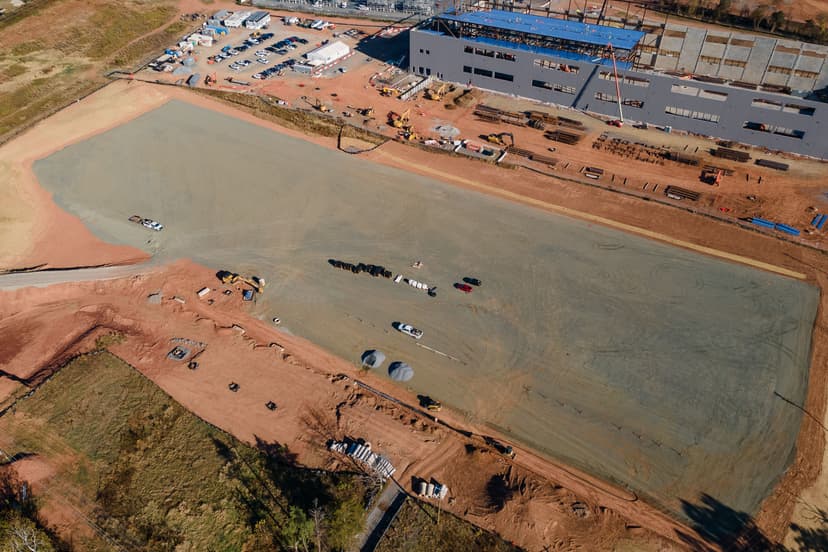
Oracle is trying to manage costs through clever partnerships. The company worked with startup Crusoe to build the first phase of OpenAI's Stargate data center in Abilene, Texas - part of the broader $500 billion infrastructure project that also involves SoftBank. Newly appointed CEO Clay Magouyrk mentioned another lever: some customers can bring their own chips, which could lower Oracle's capital burden significantly. But relying on customer-provided hardware is inherently unpredictable and doesn't scale reliably.
The market clearly has doubts. Despite booming demand for its AI infrastructure services, Oracle reported weaker-than-expected revenue in its Wednesday earnings release. The stock cratered 11% on Thursday - a sharp rebuke that suggests investors are grappling with whether this growth story can actually be profitable at scale. The fundamental question investors are wrestling with is whether Oracle can grow into these massive commitments fast enough to justify the debt load and generate returns.
What we're watching unfold is Oracle's attempt to become a tier-one player in infrastructure at a moment when capital costs are climbing and the runway for profitability feels precarious. The company is essentially betting that its customer relationships - especially OpenAI's $300 billion commitment - will generate enough recurring revenue to service $124 billion in debt while funding another $50 billion capex cycle. It's a high-wire act that only works if AI training budgets keep exploding and Oracle can convert its early mover advantage into durable competitive moats. The market's 11% selloff suggests investors aren't yet convinced the math works.