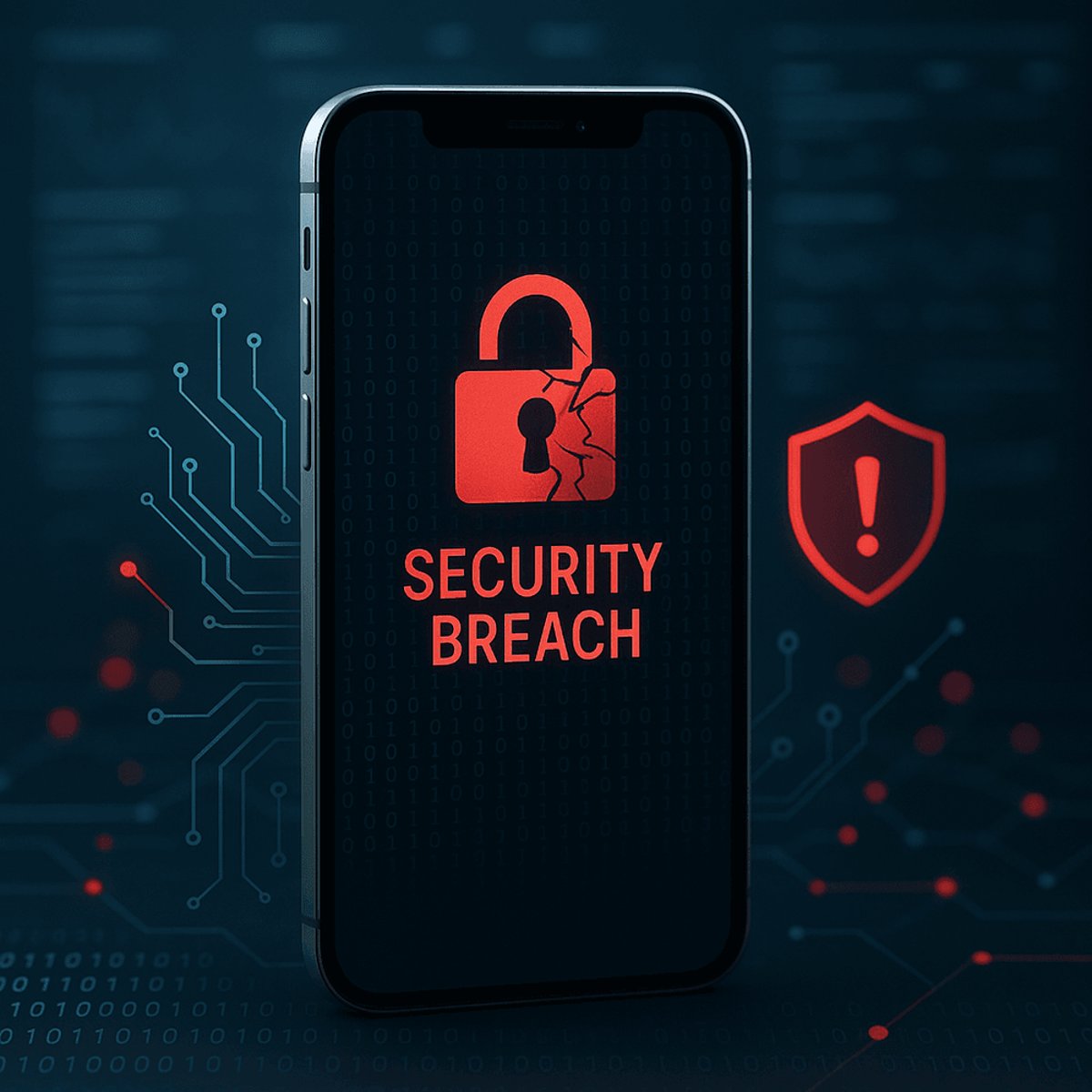
A sophisticated iPhone hacking tool called DarkSword has leaked online, potentially putting millions of devices at risk. Security researchers discovered the tool alongside another malware framework called Coruna, both capable of exploiting zero-day vulnerabilities in iOS. The leak means advanced hacking capabilities once restricted to nation-states or elite cybercriminals are now publicly accessible, raising urgent questions about iPhone security and the underground exploit marketplace.
Apple is facing one of its most serious security crises in years. DarkSword, a highly sophisticated iPhone hacking tool, has leaked into public circulation, transforming what was once restricted military-grade surveillance technology into something any motivated attacker can now access.
Security researchers at iVerify and Lookout uncovered the tools during routine threat analysis, according to TechCrunch. What they found wasn't just another malware sample - it was a complete exploitation framework capable of silently compromising iPhones through zero-day vulnerabilities in iOS.
DarkSword operates alongside another tool called Coruna, creating a two-pronged attack system. While Coruna focuses on initial device compromise, DarkSword handles persistent access and data exfiltration. Together, they represent the kind of capability typically associated with nation-state actors or the most advanced cybercriminal operations.
The leak itself marks a dangerous turning point. When exploit tools like DarkSword remain controlled by their creators - whether intelligence agencies or private surveillance vendors - their use stays relatively targeted. But once they escape into the wild, all bets are off. Any attacker with moderate technical skills can now deploy these tools against targets ranging from corporate executives to journalists to everyday users.
Apple has built its reputation on iOS security, particularly the walled-garden approach that theoretically protects users from malware. But sophisticated tools like DarkSword and Coruna exploit fundamental vulnerabilities in that system - zero-days that Apple hasn't yet discovered or patched. These aren't bugs that require users to click suspicious links or install sketchy apps. They're deeper flaws in iOS itself.
The security firms declined to specify exactly which iOS versions are vulnerable, likely to avoid tipping off attackers about exploitation methods. But the discovery suggests the vulnerabilities could affect a wide range of devices, potentially including current iPhone models running recent iOS versions.
What makes this particularly concerning is the timing. The mobile spyware industry has exploded in recent years, with companies selling iPhone exploitation capabilities to governments worldwide. But those tools typically stay contained within the surveillance-for-hire ecosystem. DarkSword's leak breaks that containment, potentially flooding the cybercrime underground with capabilities that once cost millions to develop.
Google's Project Zero team and other security researchers have documented how quickly leaked exploit tools get weaponized. Within days of a leak, multiple threat actors typically integrate the tools into their operations. For DarkSword, that means corporate espionage groups, ransomware gangs, and state-sponsored hackers could all soon be targeting iPhones with identical techniques.
The business implications are staggering. Enterprise IT departments have long treated iPhones as the more secure mobile option compared to Android, often issuing them to executives and employees handling sensitive data. That calculation gets more complicated when sophisticated exploit tools are publicly available.
Security firms are scrambling to develop detection methods. iVerify and Lookout both offer mobile threat detection services, and they're likely racing to update their products with indicators of compromise for DarkSword and Coruna. But detection is always reactive - by the time security tools catch an infection, damage has often already occurred.
Apple hasn't publicly commented on the leak yet, but the company's security team is almost certainly working on patches. The question is how quickly they can identify and fix the underlying zero-day vulnerabilities. iOS updates typically go through extensive testing before release, but critical security patches sometimes get expedited treatment.
For users, the situation creates an uncomfortable waiting period. Until Apple releases patches and researchers better understand the scope of vulnerable devices, iPhone owners are left wondering whether their devices could be compromised. The usual security advice - keep iOS updated, avoid suspicious links - doesn't help much against zero-day exploits that target the operating system itself.
The leak also raises questions about where DarkSword and Coruna originated. Advanced iPhone hacking tools don't appear out of nowhere. They require significant resources to develop, suggesting a well-funded team - possibly a surveillance vendor, intelligence agency, or sophisticated cybercrime group. Understanding the source could provide clues about what other tools might still be out there, hidden in the exploit marketplace.
This isn't the first time iPhone exploitation tools have leaked, but it's among the most significant. The combination of sophisticated capabilities, zero-day exploitation, and wide public availability creates perfect conditions for a surge in iPhone-targeted attacks across multiple threat categories.
The DarkSword leak represents a fundamental shift in the iPhone threat landscape. What was once sophisticated state-level capability is now accessible to a much wider range of attackers, putting millions of devices at risk. The race is on between Apple to patch the underlying vulnerabilities and attackers to exploit them at scale. For enterprise security teams and everyday users alike, this serves as a stark reminder that no platform is truly immune to advanced threats - and that the exploit marketplace's tendency toward leaks makes every zero-day a ticking time bomb.