TL;DR
- - Google's data centers leverage demand response for grid support
- - Utility agreements aim to target ML workloads
- - Expansion offers cost benefits and reliability
- - Innovating energy strategies to enhance sustainability
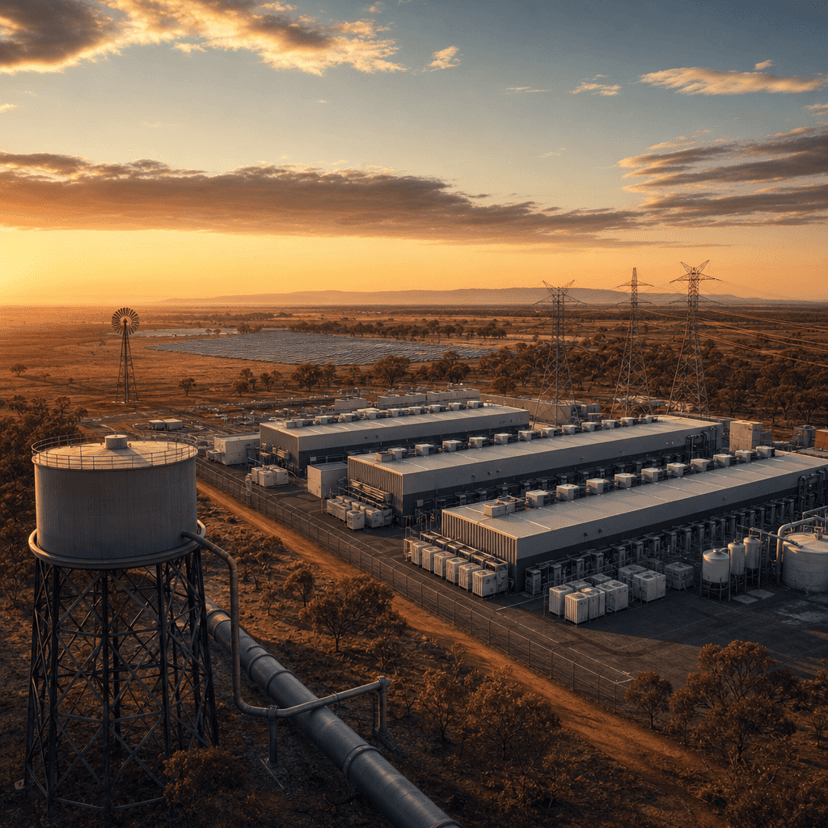
How are tech giants like Google reshaping the energy landscape? With their latest advancements in demand response capabilities, Google's data centers are now equipped to not only handle AI's extensive energy requirements efficiently but also to bolster power grid flexibility. This development is crucial as global power consumption rises, highlighting a promising synergy between technology and sustainable energy future.
Opening Analysis
In an era where energy consumption is skyrocketing due to AI advancements, managing the electricity demand effectively is critical. Google's initiative to infuse demand flexibility into its data centers paves the way towards a sustainable energy future. By enabling these centers to adjust their energy use based on grid demands—termed as "demand response"—Google deftly balances AI's energy needs with grid stability. Recent utility agreements with Indiana Michigan Power (I&M) and the Tennessee Valley Authority (TVA) demonstrate practical application, specifically targeting machine learning workloads, underpinning the strategy with successful pilots in Omaha.
Market Dynamics
The competitive landscape of renewable energy and tech collaboration is heating up. With partnerships across Belgium and Taiwan, Google is setting benchmarks in energy efficiency that competitors like Amazon and Microsoft could emulate. The company's commitment to a 24/7 carbon-free agenda positions it uniquely to press forward on grid-enhanced demand responses, urging others in the tech sphere to follow suit.