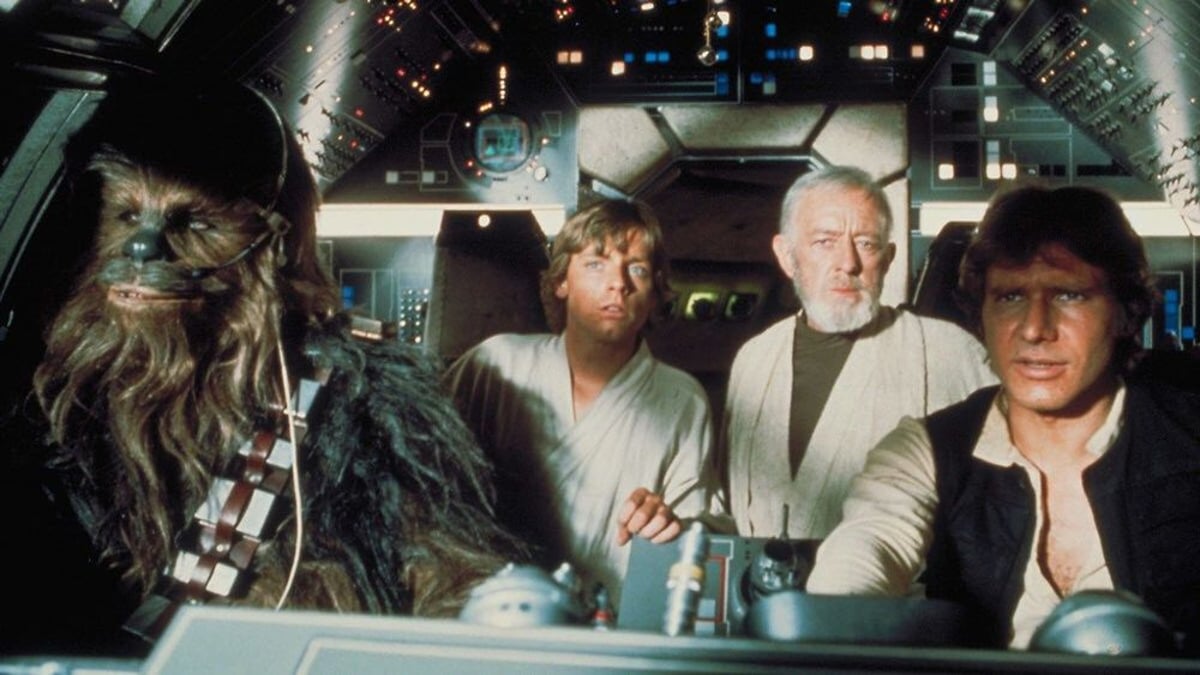
Disney is bringing the original 1977 theatrical cut of Star Wars back to theaters on February 19th, 2027, marking a rare victory for film preservation advocates. The newly restored version represents Disney's most significant nod to fan demands since acquiring Lucasfilm, potentially setting precedent for how legacy media companies handle director cuts versus original releases.
Disney just handed Star Wars fans something they've been demanding for decades: the original, unaltered 1977 theatrical cut is finally coming back to theaters. The entertainment giant announced that a "newly restored version" of the film will hit theaters on February 19th, 2027, but only for a limited run as part of Lucasfilm's 50th anniversary celebration.
The announcement represents a significant shift in Disney's approach to the franchise's legacy content. Since acquiring Lucasfilm in 2012, the company has largely stuck with George Lucas's controversial Special Edition versions, which added CGI effects and scenes that many fans felt detracted from the original's charm. According to Disney's official statement, this marks the first time they're acknowledging fan demand for the theatrical version.
The move comes after years of grassroots pressure and demonstrates how digital restoration technology has evolved. The British Film Institute gave fans a taste earlier this year when they screened an original 35mm print in June, complete with an introduction from Lucasfilm president Kathleen Kennedy who confirmed it was "in fact, the first print." That screening proved there's still substantial audience appetite for the unaltered version.
Disney's timing isn't accidental. The company is orchestrating a carefully planned Star Wars theatrical revival that stretches through 2027. The Mandalorian and Grogu hits theaters May 22nd, 2026, followed by the original film's re-release, then Star Wars: Starfighter starring Ryan Gosling on May 28th, 2027.
This theatrical strategy reflects broader industry trends where legacy media companies are mining their archives for premium experiences. The restoration work required for the 1977 version likely involved significant digital cleanup and color correction, similar to Disney's approach with other classic releases. The company has invested heavily in preservation technology, and this project showcases how modern restoration can serve both artistic integrity and commercial appeal.
The limited release window creates artificial scarcity that should drive strong box office performance. Disney learned from recent re-releases like Avatar and Titanic that audiences will pay premium prices for authentic big-screen experiences they can't get at home. By positioning this as a "limited time" event, they're essentially creating a cultural moment around the original cut.
For the industry, Disney's decision sends a clear message about the value of preserving original artistic visions alongside commercially successful versions. Other studios with contentious director's cuts or altered releases are likely watching how this performs. The move could influence how companies handle similar situations with their catalog titles.
Ticketing details remain under wraps, but Disney promises to announce specifics on StarWars.com. Given the pent-up demand and limited availability, expect this to be one of 2027's hottest ticket sales when they eventually go live.
Disney's decision to restore and re-release the original Star Wars theatrical cut represents more than nostalgia - it's a calculated bet on premium experiences and fan loyalty that could reshape how studios approach their legacy catalogs. With digital restoration technology making previously impossible projects feasible, expect other major studios to dig deeper into their vaults for similar theatrical events. The real test will be whether audiences show up in the numbers Disney expects, potentially validating a new revenue stream for classic content.