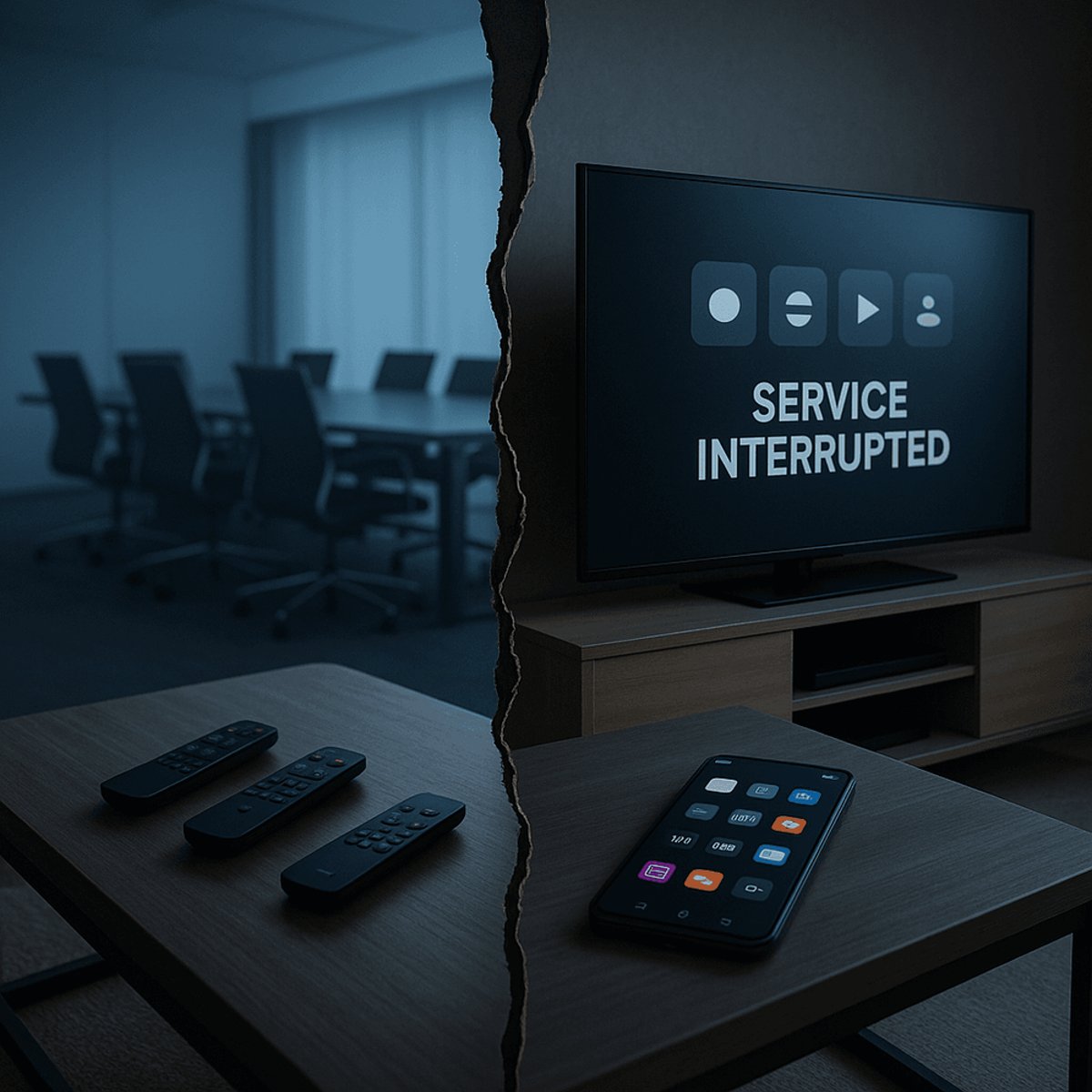
The streaming wars just claimed another casualty. Disney pulled the plug on YouTube TV Thursday night, leaving millions of subscribers without access to ABC, ESPN, and over 20 other channels after contract renewal talks collapsed. The blackout affects one of America's largest streaming platforms right as we head into peak sports season.
The inevitable finally happened. After a week of public posturing and behind-the-scenes brinkmanship, Disney made good on its threat and pulled all content from YouTube TV at 11:59 PM Eastern Thursday night.
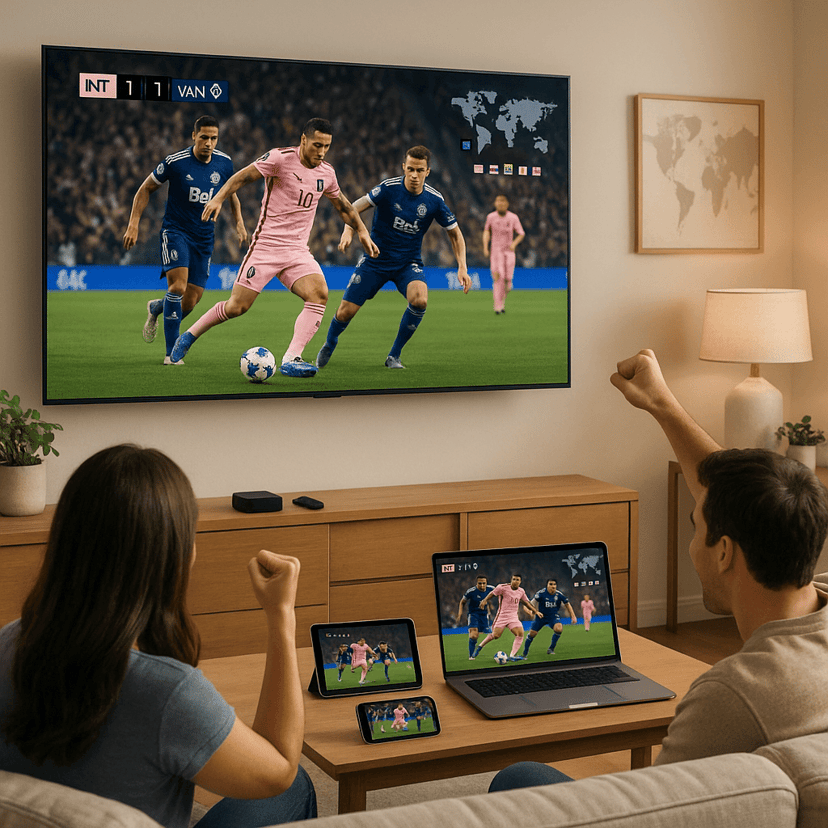
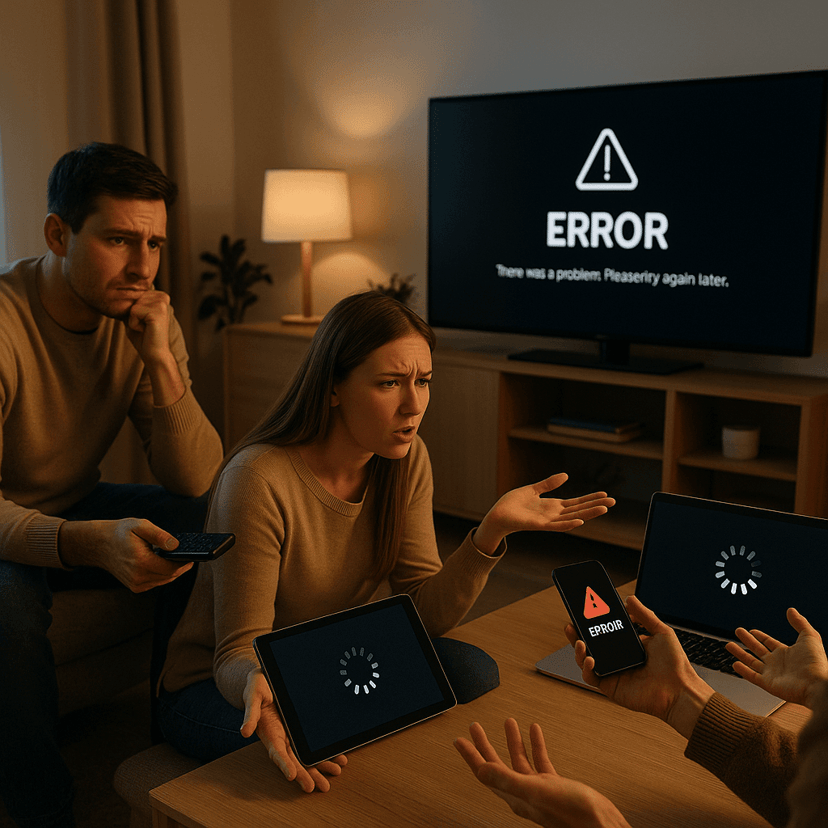
The fallout is immediate and messy. YouTube TV's 8 million subscribers lost access to ABC, ESPN, Disney Channel, and 17 other networks in one fell swoop. That means no Thursday Night Football, no Good Morning America, no local ABC news, and crucially, no college football as we barrel toward championship season.
"Despite our best efforts, we have not been able to reach a fair deal, and starting today, Disney programming will not be available on YouTube TV," YouTube TV announced in what felt like a corporate shrug heard around the streaming world.
But this isn't just another carriage dispute. The battle lines reveal deeper tensions in how streaming platforms want to bundle and distribute content. According to sources familiar with the negotiations, YouTube TV demanded something unprecedented - full integration of Disney+, Hulu, and ESPN+ content directly into its platform interface.
Essentially, Google wanted Disney's crown jewels ingested into YouTube TV's ecosystem, giving customers seamless access without ever leaving the platform. For Disney, that was a bridge too far. The entertainment giant has spent billions building its direct-to-consumer streaming infrastructure and wasn't about to hand over the keys to a competitor.
Disney did offer an olive branch - free access to Disney+, Hulu, and ESPN+ for some YouTube TV subscribers, similar to deals struck with Charter Communications. But that wasn't enough for Google, which wanted deeper platform integration.
"We will not agree to terms that disadvantage our members while benefiting Disney's own live TV products," YouTube TV fired back in a blog post, directly calling out Disney's competing Hulu + Live TV service. The accusation is clear - Disney extracted tougher terms to protect its own streaming business.
The timing couldn't be worse for both sides. YouTube TV has emerged as the dominant force in streaming television, capturing over 13% of all TV watch-time according to Nielsen data from July. MoffettNathanson analysts project YouTube will become America's biggest media company by revenue in 2025, potentially surpassing Disney itself.
For Disney, losing YouTube TV's massive distribution footprint during peak sports season feels like strategic self-sabotage. ESPN alone generates billions in subscriber fees, and every day of the blackout means lost advertising revenue and frustrated cord-cutters who might not come back.
The dispute has personal undertones too. YouTube hired former Disney distribution executive Justin Connolly earlier this year, prompting Disney to file a breach-of-contract lawsuit. While Connolly recused himself from these specific negotiations, the bad blood clearly poisoned the well.
This isn't YouTube TV's first rodeo with content blackouts. Just last month, the platform nearly lost NBC content before reaching a last-minute extension that saved "Sunday Night Football" and "America's Got Talent." The pattern suggests these disputes are becoming the new normal as traditional media companies and tech giants fight over the streaming landscape's future.
For now, YouTube TV subscribers are stuck in the middle. The platform promised $20 credits if the blackout extends, but that's cold comfort for fans who just want to watch college football without juggling multiple streaming apps. Both companies claim they're committed to finding a solution, but with such fundamental disagreements over platform integration, this standoff could drag on for weeks.
This blackout represents more than just another carriage dispute - it's a preview of streaming's fractured future. As tech giants like Google flex their distribution muscle and media companies like Disney defend their direct-to-consumer strategies, subscribers get caught in the crossfire. With YouTube TV positioned to become America's largest media company by revenue next year, these standoffs will likely intensify. For millions of cord-cutters who thought streaming would simplify their viewing experience, Thursday's blackout serves as a harsh reminder that the more things change in television, the more they stay messy.