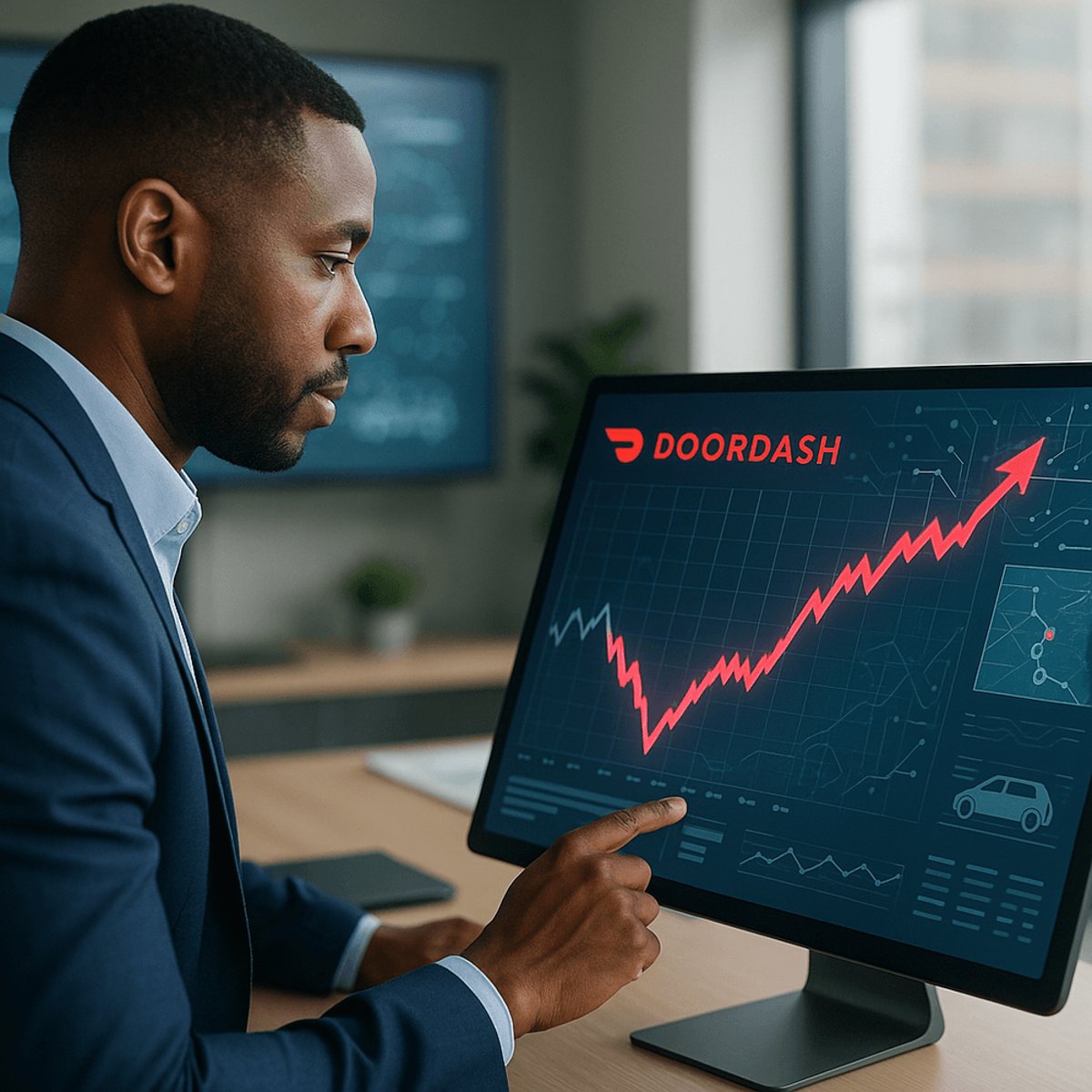
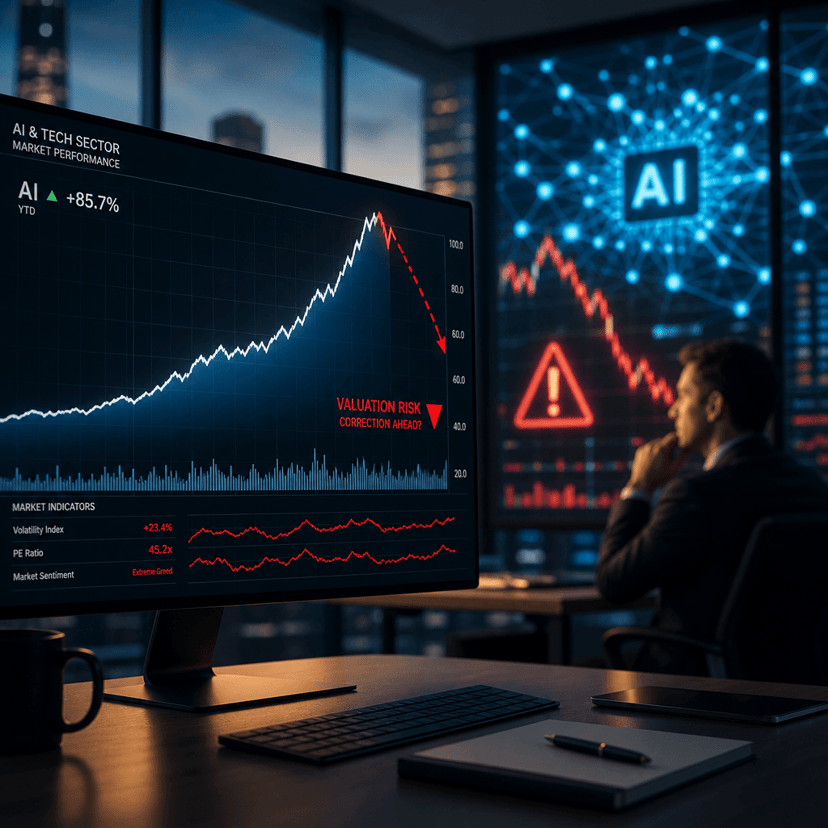
DoorDash shares just pulled off a dramatic reversal, climbing 14% after initially tanking on a Q4 earnings miss. The delivery giant's aggressive push into artificial intelligence and autonomous delivery tech - which spooked investors early Wednesday - is now drawing applause as Wall Street digests the long-term play. The swing marks one of the wildest intraday turnarounds for a major tech stock this earnings season, signaling that investor appetite for AI spending might be stronger than the knee-jerk selloffs suggest.
DoorDash just delivered one of the most dramatic stock reversals of earnings season. The food delivery giant's shares climbed 14% by market close Wednesday, erasing an early plunge triggered by disappointing Q4 results that initially sent investors running for the exits.
The recovery came as Wall Street analysts and institutional investors digested DoorDash's aggressive spending roadmap on artificial intelligence and autonomous delivery technology. What looked like reckless spending in pre-market trading started to look like strategic positioning by afternoon.
According to CNBC's reporting, the company missed both earnings and revenue expectations for the fourth quarter of 2025. But that's not what ultimately mattered to investors. The real story unfolded during the earnings call, where management laid out plans to ramp up investments in AI-powered logistics optimization and partnerships with autonomous vehicle companies.
The initial selloff reflected familiar concerns. Tech companies across the board have faced skepticism over ballooning AI budgets, with investors demanding proof that billions in spending will translate to actual competitive advantages. Meta and Microsoft have both weathered similar investor reactions to their AI spending disclosures in recent quarters.
But DoorDash's story is playing out differently. The delivery economics are straightforward enough that Wall Street can model the potential savings from autonomous delivery and AI-optimized routing. Every percentage point improvement in delivery efficiency drops straight to the bottom line when you're coordinating millions of orders daily.
The company's AI investments focus on two core areas - machine learning models that predict demand patterns and optimize dasher routes in real-time, and integration with autonomous delivery robots and vehicles for last-mile fulfillment. These aren't moonshot projects. Competitors like Uber Eats are making similar bets, turning AI spending into table stakes rather than optional experiments.
Investor sentiment shifted as analysts parsed the numbers during the trading day. While revenue growth came in softer than expected, the operational metrics that matter for delivery platforms - order frequency, customer retention, merchant growth - held up better than feared. The miss was about timing and macro headwinds, not fundamental platform weakness.
The autonomous delivery piece carries particular weight. DoorDash has been quietly testing robot deliveries in multiple cities, and the infrastructure investments required to scale that technology are substantial. But the payoff could be massive - autonomous delivery could eventually cut per-order costs by 30-40%, according to industry estimates, while improving delivery speed and reliability.
This intraday reversal also reflects a broader recalibration of how investors value AI investments. The panic selling that greets every AI spending announcement is starting to feel outdated. Companies that can articulate clear use cases and measurable returns are getting the benefit of the doubt, while vague promises about AI transformation still get punished.
The delivery sector's competitive dynamics make AI spending particularly defensible. This is a scale game where efficiency improvements compound quickly. If DoorDash can deliver orders 10% faster and 15% cheaper through better AI, that's not just margin expansion - it's a moat that competitors have to match or lose market share.
What stands out about Wednesday's reversal is the speed of the sentiment shift. Morning headlines screamed about the earnings miss and investor fears. By afternoon, the narrative had flipped to strategic positioning and long-term thinking. That kind of volatility reflects a market still figuring out how to value AI investments in real-time.
The recovery also suggests institutional investors were buying the dip aggressively. A 14% climb doesn't happen on retail enthusiasm alone. Big money saw an opportunity when the stock got hammered on earnings that, while disappointing, didn't signal any existential problems with the business model.
The DoorDash reversal is a microcosm of the broader debate over AI spending playing out across tech. Investors are getting more sophisticated about separating genuine strategic investments from hype-driven budget bloat. For delivery platforms, the math on AI and autonomous tech is compelling enough that Wall Street is willing to look past near-term earnings misses. The real test comes in the next few quarters - whether DoorDash can show measurable returns on these investments or whether the concerns that triggered the morning selloff prove prescient after all. For now, the market is betting on the former.