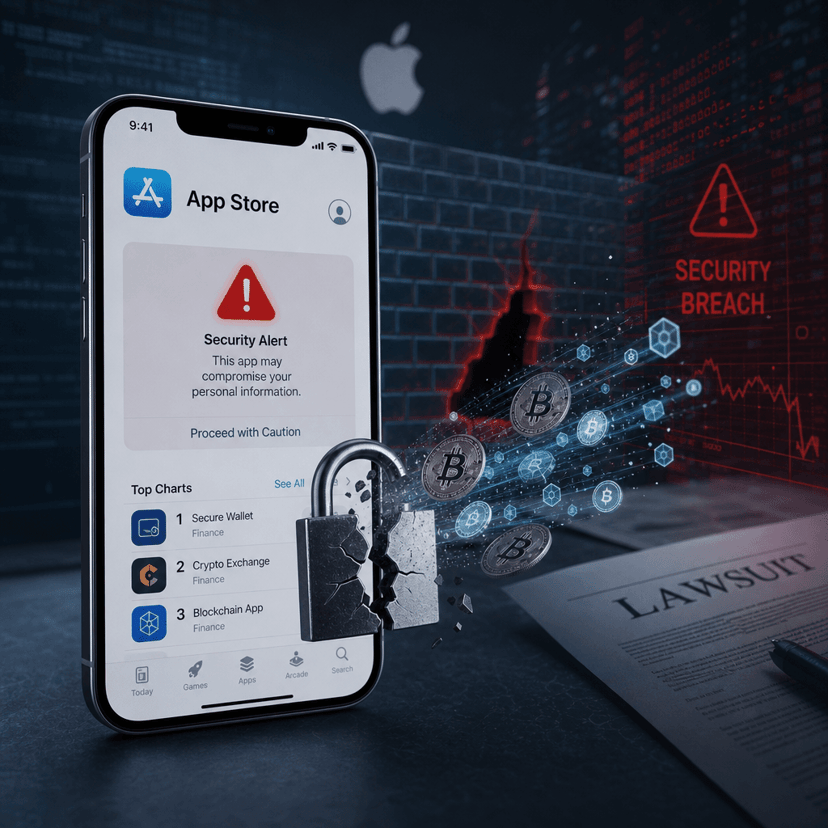
Drift, a decentralized finance platform built on Solana, suspended all deposits and withdrawals Wednesday night after hackers drained what blockchain security firms estimate to be hundreds of millions of dollars in cryptocurrency. The breach is already shaping up to be the largest crypto theft of 2026, reigniting questions about security practices in the fast-growing DeFi sector and sending shockwaves through the digital asset markets.
Drift, one of the Solana ecosystem's most prominent decentralized trading platforms, became the latest victim of crypto hackers when attackers exploited a vulnerability Wednesday evening, making off with what early estimates suggest could be several hundred million dollars in digital assets.
The platform's team moved quickly to freeze operations, halting all deposit and withdrawal functionality as blockchain forensics teams scrambled to track the movement of stolen funds across multiple wallet addresses. Users attempting to access their accounts were met with emergency notices explaining the suspension, though the company has yet to provide specific details about the attack vector or total amount stolen.
Blockchain security firms monitoring the situation reported watching massive fund transfers in real-time as the attacker or attackers moved digital assets through a series of addresses in what appears to be a sophisticated laundering operation. The scale of the theft puts it on track to eclipse every other crypto heist in 2026, a troubling milestone for an industry that's been working to rebuild trust after a series of high-profile breaches in recent years.
Drift has built a reputation as a leading decentralized perpetual futures exchange, allowing users to trade with leverage on various cryptocurrency pairs without needing to hand over custody of their assets to a centralized entity. The platform had been processing billions in trading volume and held substantial user deposits across multiple cryptocurrencies. That made it an attractive target for hackers who've increasingly turned their attention to DeFi protocols, which often combine high-value deposits with smart contract code that can contain exploitable vulnerabilities.
The timing couldn't be worse for the broader DeFi sector, which has been attempting to attract institutional capital and mainstream adoption. Security breaches remain the industry's Achilles heel, with blockchain analysis firm Chainalysis estimating that DeFi protocols accounted for the majority of cryptocurrency stolen in recent years. Each major hack reinforces concerns about whether decentralized platforms can adequately protect user funds without the insurance mechanisms and regulatory oversight that traditional financial institutions provide.
Crypto markets showed immediate jitters following news of the breach, with Solana-based tokens experiencing modest selling pressure. Traders worry that a hack of this magnitude could trigger contagion effects if Drift's issues impact other protocols or if the attackers dump stolen tokens on the open market. The incident also raises questions about whether DeFi platforms are moving too quickly to scale without implementing adequate security measures.
Security researchers note that DeFi hacks typically fall into a few categories: smart contract vulnerabilities where attackers exploit coding errors, compromised private keys that give hackers direct access to treasury funds, or sophisticated social engineering attacks targeting team members. Without more details from Drift, it's unclear which attack vector the hackers used, though the speed at which funds were drained suggests they had identified and planned the exploit in advance.
The crypto community is now watching closely to see whether blockchain forensics teams and law enforcement can trace and potentially recover any of the stolen funds. Past major hacks have had mixed outcomes - some attackers have successfully laundered funds through mixers and privacy coins, while others have been caught or negotiated returns after white hat hackers identified vulnerabilities and returned funds for bounties.
Drift's response in the coming hours will be critical. Users are demanding transparency about what happened, how much was stolen, and whether the platform has any plans to make affected users whole. The company's decision to immediately suspend operations suggests they're taking the breach seriously, but questions remain about whether they had adequate security audits and safeguards in place before the attack occurred.
The Drift hack serves as a harsh reminder that DeFi's promise of financial freedom comes with significant security trade-offs. As the sector continues to handle billions in user funds, platforms will face mounting pressure to prove they can protect deposits as effectively as their centralized counterparts. For Drift users, the waiting game begins - hoping blockchain detectives can trace the funds while the platform's team works to determine the full extent of the damage and chart a path forward. This incident will likely accelerate calls for better security standards and auditing practices across the DeFi ecosystem, but whether the industry can implement meaningful changes before the next major breach remains an open question.