Dyson just dropped its roadmap for 2026, and it's a complete overhaul of what we expect from premium vacuums. The British engineering giant announced five new models this September, including self-emptying docking stations and AI-powered stain detection - features that could finally justify those premium price tags for mainstream buyers.
Dyson is betting big on automation for 2026. After years of incremental updates to their signature cordless lineup, the company's September announcement signals a dramatic shift toward self-maintaining vacuum systems that could reshape the premium cleaning market.
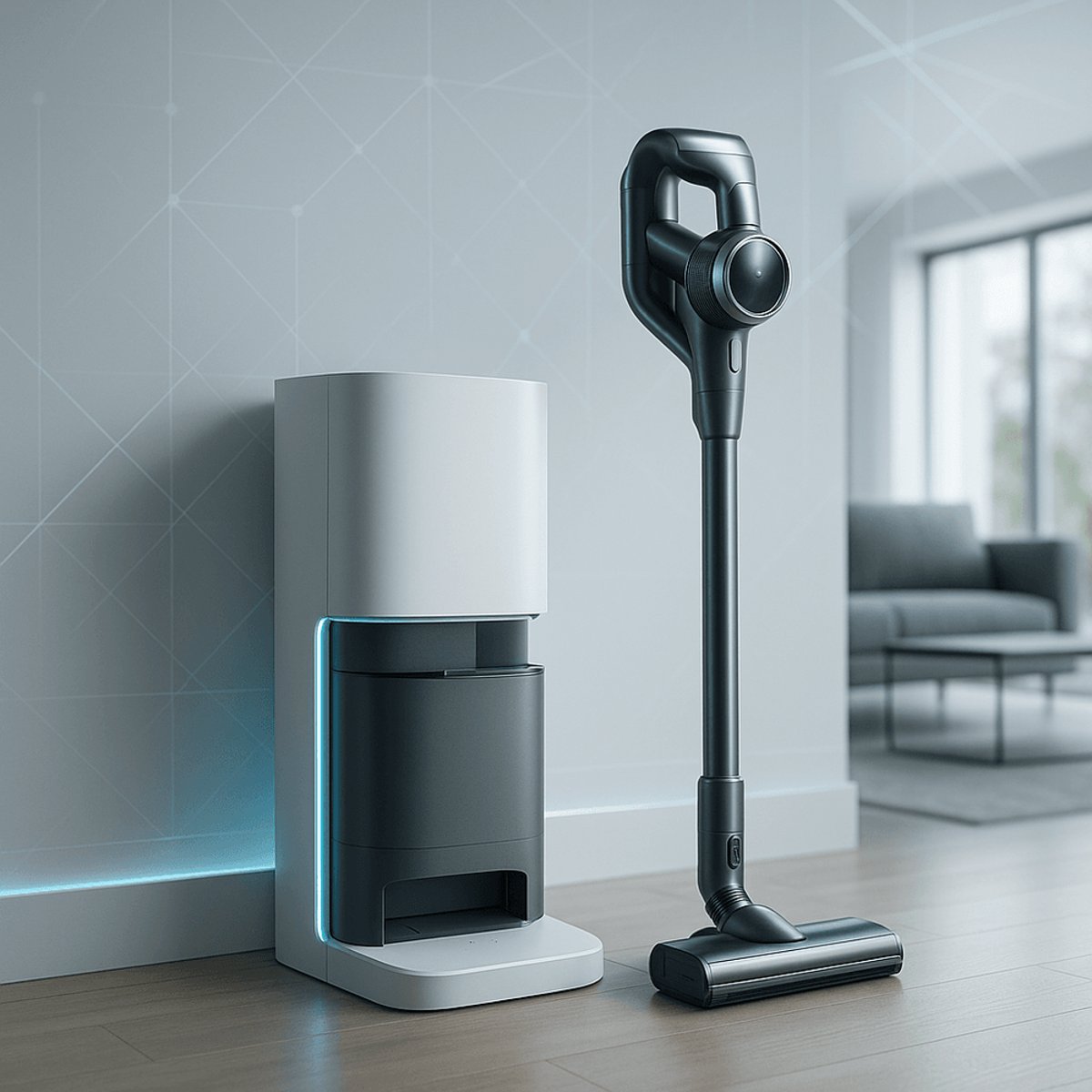
The centerpiece is undoubtedly the self-emptying technology coming to two models. The updated V8 Cyclone promises 150 air watts of suction - a 30% jump from the original - plus over an hour of runtime and a triggerless power button. But the real game-changer is that docking station that empties itself. No more wrestling with dustbins or breathing in collected debris.
Meanwhile, the V16 Piston Animal takes this further with 315 air watts of power and a 70-minute runtime. It'll sense floor types automatically and includes a Submarine 2.0 wet roller head for mopping. The self-emptying dock comes separately, but it's designed to handle the messiest pet cleanup scenarios without human intervention.
The AI angle gets interesting with the Spot+Scrub AI robot. Unlike Dyson's current 360 Vis Nav, which struggled with navigation according to WIRED's testing, this new model uses artificial intelligence to identify stains and decide whether to vacuum or mop. It's Dyson's answer to the smart home revolution that's been dominated by iRobot and emerging Chinese brands.
Then there's the PencilVac - already generating buzz in Japan and Korea where it launched earlier this year. With a handle measuring just 1.5 inches in diameter, it's targeting the ultra-portable market. The Hyperdymium 140k motor borrows technology from Dyson's hair tools, promising an hour of battery life in a package that makes the V15 Detect look bulky.
The Clean+Wash Hygiene rounds out the lineup as Dyson's dedicated wet-dry floor cleaner. It's filter-free and traps everything in the cleaning head itself - a direct evolution from the WashG1 that WIRED tested earlier this year. The WashG1 impressed with its cleaning power but frustrated users with a messy, mold-prone tray system.
Industry timing couldn't be better. Premium vacuum sales jumped 23% year-over-year according to NPD Group data, with consumers increasingly willing to pay for convenience features. Shark and Bissell have already introduced self-emptying systems in lower price ranges, but Dyson's engineering reputation gives them room to command higher margins.
The question is availability. Dyson hasn't committed to specific launch dates beyond "2026," and their track record suggests staggered global rollouts. The Digital Slim spent years exclusive to Asian markets before reaching the US. The PencilVac follows the same pattern.
For current Dyson owners, this creates an interesting decision point. The V15 Detect remains their flagship recommendation in WIRED's current vacuum buying guide, with 240 air watts and that laser dust detection system. But knowing self-emptying tech is 12-18 months away might pause some buyers.
The competitive pressure is real. Tineco and Dreame have been eating market share with feature-packed models at lower prices. Meanwhile, Shark continues pushing self-emptying systems down market. Dyson's 2026 lineup looks like a direct response to these threats.
Dyson's 2026 lineup represents the biggest shift in their vacuum strategy since going cordless. Self-emptying technology and AI cleaning aren't just catching up to competitors - they're preparing for a future where premium means truly hands-off cleaning. The real test will be whether consumers wait 12-18 months for these features or stick with current models that deliver proven performance today. Either way, the vacuum wars are about to get a lot more automated.