Nintendo just dropped its new mobile store app, and it's creating an unexpected problem - app overload. The gaming giant now has four separate mobile apps cluttering users' phones, each serving distinct but overlapping functions. While competitors like PlayStation and Xbox consolidate features into unified experiences, Nintendo's fragmented approach is leaving users juggling multiple apps for basic ecosystem tasks.
Nintendo just made managing your gaming life more complicated. The company's new mobile store app for iOS and Android means dedicated fans now juggle four separate Nintendo apps on their phones - and possibly five if you're using parental controls.
The app proliferation creates what gaming journalist Ash Parrish calls "entirely too much" in her analysis for The Verge. Opening the "N" section of any phone now reveals a full row of Nintendo apps: the Switch companion app, Nintendo Music, Nintendo Today news app, and the new store. Each serves specific functions, but the overlap is becoming problematic.
"You need the Switch app for screen captures and social features. You need the store to buy things," Parrish notes, highlighting how Nintendo's ecosystem fragments basic tasks that competitors handle in single applications. The store app duplicates play activity data already available in the console app, while its news section offers more robust content than Nintendo Today.
This fragmentation stands in stark contrast to PlayStation and Xbox approaches. Both competitors offer unified mobile experiences where users seamlessly navigate from screenshots to store purchases to social features. "It's a seamless experience to jump from my PS5 screenshots to the PS Store," Parrish observes, underscoring Nintendo's divergent strategy.
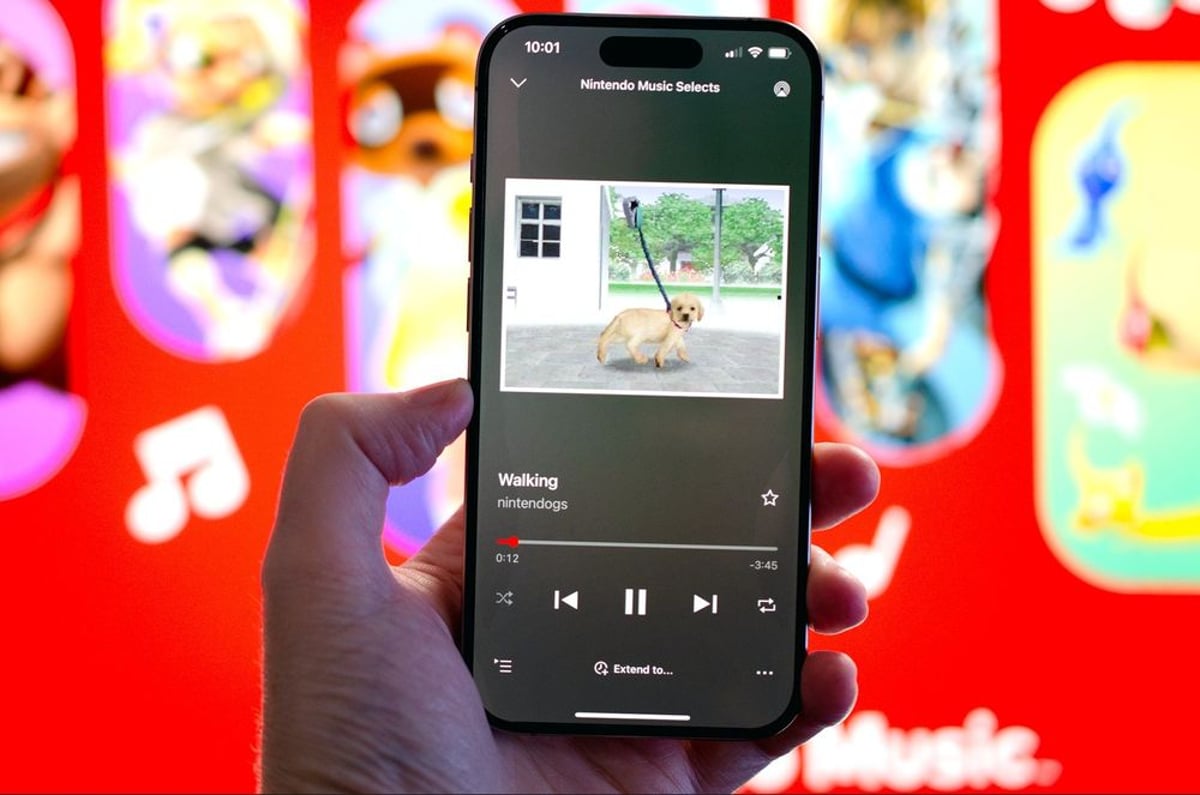
The music app presents perhaps the most curious case study in Nintendo's approach. Rather than licensing tracks to Spotify or other streaming services, Nintendo created a bespoke music player requiring Switch Online subscriptions. The app notably doesn't credit composers - something required by traditional streaming platforms - suggesting potential cost-saving motivations around royalty payments.
Nintendo's app strategy reflects broader ambitions outlined by president Shuntaro Furukawa in recent investor communications. "We hope for Nintendo to be a name that people naturally turn to, part of everyday life and there for families as they grow," he wrote, signaling expansion beyond gaming into lifestyle products.
This "everyday life" vision extends to products like the Nintendo Alarmo, children's merchandise lines, theme parks, and animation projects. The Super Mario Bros. Movie's billion-dollar success validates aspects of this diversification strategy.
Yet the mobile app execution reveals growing pains in Nintendo's ecosystem expansion. While Microsoft and Sony chase development trends Nintendo deliberately avoids - like expensive live-service games - Nintendo's contrarian approach creates different user experience challenges.
The company's historical reluctance to adopt industry standards appears in its mobile strategy too. Console-native voice chat only arrived with the Switch 2 this year, years after becoming standard on competitor platforms. Now Nintendo's multi-app approach risks similar user friction.
Industry observers note gaming companies increasingly compete not just with each other, but with social media platforms for user attention and engagement time. While competitors explore strategies like bringing exclusives to other platforms, Nintendo doubles down on proprietary ecosystem expansion.
The fragmented app experience could backfire as mobile users face storage constraints and app fatigue. "If Nintendo isn't more careful about how (and how much) it's deploying these apps, people are gonna start clearing up space," Parrish warns, pointing to a potential inflection point in Nintendo's mobile strategy.
Nintendo's multi-app mobile strategy reflects the company's ambitious vision to become part of users' daily lives, but execution challenges are emerging. While the diversification approach has shown success in movies and merchandise, the fragmented mobile experience risks alienating users accustomed to streamlined competitor ecosystems. As Nintendo expands beyond gaming, finding the right balance between comprehensive services and user-friendly design will determine whether this strategy enhances or hinders the company's ecosystem goals.