Electronic Arts officially closed the door on its public company era Tuesday, completing a $55 billion acquisition by an investor consortium led by Saudi Arabia's Public Investment Fund. The deal - financed with $20 billion in debt - marks the largest leveraged buyout in history, dwarfing previous records and signaling a dramatic shift for one of gaming's biggest names. With the PIF holding 93.4% ownership and massive debt obligations looming, EA faces pressure to squeeze more profit from its flagship franchises.
Electronic Arts just made history - but not the kind it usually celebrates with a flashy game launch. The gaming powerhouse officially became a private company Tuesday after a consortium led by Saudi Arabia's Public Investment Fund closed a staggering $55 billion acquisition, according to EA's announcement. The deal was first revealed last September, and now the ink is dry on what's become the largest leveraged buyout in corporate history.
The numbers are eye-watering. EA's new ownership structure gives the PIF a commanding 93.4% stake, with private equity veterans Silver Lake and Affinity Partners holding the remainder, the Wall Street Journal reports. But here's where things get interesting - and potentially messy. The deal carries $20 billion in debt financing, eclipsing every LBO that came before it. That's a massive burden for a company that needs to keep pumping out hit games in an increasingly competitive market.
For context, the previous LBO record holders - deals like the $45 billion TXU Energy buyout in 2007 - ended poorly when debt loads became unsustainable. EA's new owners are betting they can extract enough cash from the company's portfolio to service that debt while still investing in game development. It's a high-wire act that could reshape how one of gaming's legacy publishers operates.
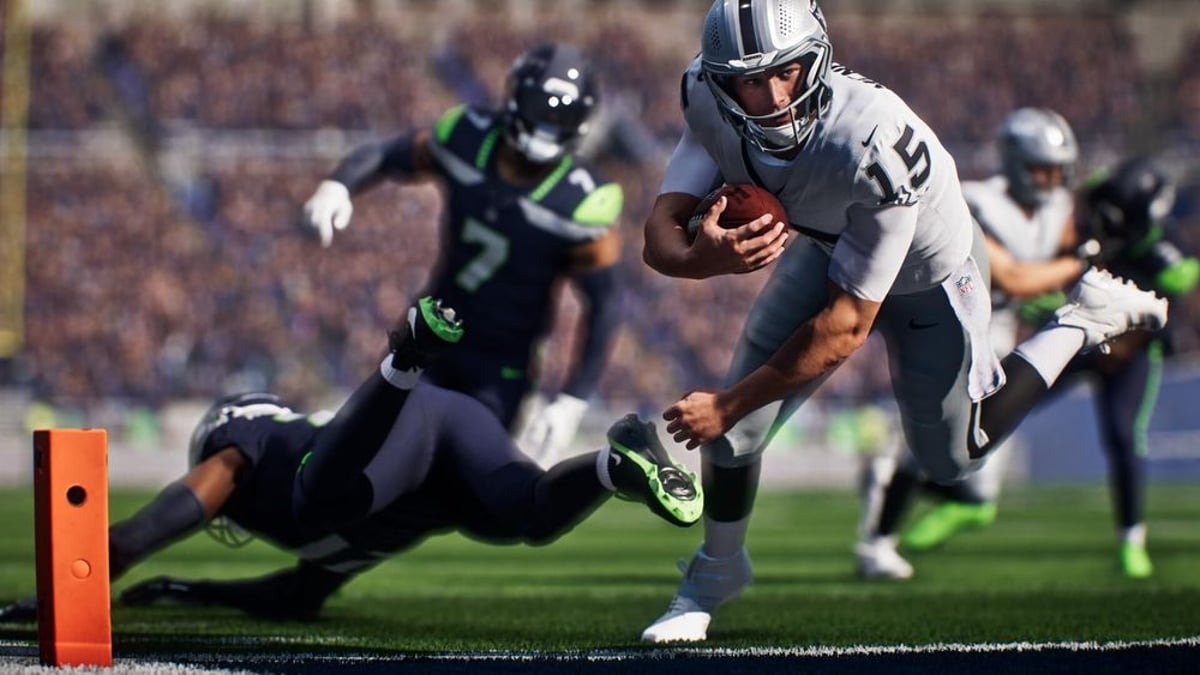
EA has been telegraphing its strategy for months. The company's been doubling down on its tentpole franchises - think Madden, FIFA (now EA Sports FC), Battlefield, and The Sims. Experimental titles and smaller projects have taken a backseat as EA focuses on proven money-makers. Previous reporting from The Verge suggested this shift would accelerate post-acquisition, with potential layoffs and studio closures on the horizon to justify the deal's economics.
The timing tells its own story. EA announced the take-private deal in September 2025, right as the gaming industry was grappling with a brutal correction. Massive layoffs swept through major studios, big-budget games underperformed, and investors grew skeptical of the sector's growth prospects. Taking EA private removes the quarterly earnings pressure that comes with public markets, giving management more runway to execute long-term plans - or make painful cuts away from public scrutiny.
Saudi Arabia's PIF has been on an aggressive spending spree in gaming and entertainment, part of the kingdom's Vision 2030 initiative to diversify beyond oil revenue. The fund already owns stakes in Nintendo, Capcom, and Nexon, and fully owns Savvy Games Group, which has poured billions into esports and game publishers. EA represents its biggest trophy yet - a household name with decades of IP and reliable revenue streams from sports titles that refresh annually.
But the debt load changes everything. Unlike venture-backed growth plays or strategic acquisitions by cash-rich tech giants, leveraged buyouts require aggressive cost management and cash flow optimization. EA will need to hit ambitious financial targets to service its debt, which typically means streamlining operations, cutting underperforming projects, and maximizing revenue from existing franchises. Industry watchers expect subscription services like EA Play to get more aggressive pricing, while microtransactions in sports games - already controversial - could become even more prominent.
Silver Lake brings operational expertise from previous tech and entertainment deals, having worked with companies like Dell, SoFi, and Endeavor. The firm's playbook usually involves operational improvements, technology investments, and strategic repositioning before an eventual exit. For EA, that could mean modernizing backend systems, expanding into mobile gaming more aggressively, or even spinning off certain franchises or studios down the line.
The deal's structure also raises questions about creative independence. EA's studios - from DICE in Sweden to BioWare in Canada - have historically enjoyed relative autonomy under the EA umbrella. With new ownership focused on debt repayment and returns, that freedom might shrink. Developers might face tighter budgets, shorter development cycles, and more mandates to incorporate monetization features that ensure steady cash flow.
Competitors are watching closely. Microsoft, which spent $68.7 billion to acquire Activision Blizzard, now faces a newly restructured EA under aggressive management. Sony continues building its PlayStation Studios portfolio through acquisitions. And upstart publishers backed by venture money are trying to poach talent from legacy studios. EA's transformation into a debt-loaded private entity could create opportunities for rivals to snap up disillusioned developers or underfunded franchises.
The gaming community's reaction has been mixed, trending toward skeptical. Players worry that private ownership focused on debt service means fewer creative risks, more aggressive monetization, and potential quality declines as cost-cutting takes priority. EA's reputation already suffers from perceptions of over-commercialization - "surprise mechanics" and loot boxes became industry controversies largely because of EA's implementation in games like FIFA and Star Wars Battlefront II.
What happens next depends largely on execution. EA's leadership team remains in place for now, but private equity deals often bring management shake-ups within the first year. The company will need to prove it can generate enough free cash flow to satisfy its debt obligations while still investing in the game development pipelines that take 3-5 years to bear fruit. Miss those targets, and we could see asset sales, studio closures, or even a debt restructuring that dilutes current ownership.
The broader market implications are significant too. If EA's LBO succeeds, expect more private equity interest in gaming studios and publishers, especially those trading below their peak valuations. If it struggles under the debt load, it could cool the appetite for leveraged deals in the sector and reinforce gaming as better suited to strategic buyers with deep pockets and long time horizons.
EA's transformation into a private company marks a watershed moment for the gaming industry - the largest LBO in history puts one of the sector's biggest names under unprecedented financial pressure. The $20 billion debt load means EA's creative decisions will now be filtered through aggressive cash flow requirements, potentially squeezing innovation in favor of safe, monetizable franchises. For gamers, investors, and the broader tech ecosystem, this deal is a test case: can a legacy gaming publisher thrive under private equity ownership, or will the debt burden crush the creative risk-taking that built EA's franchises in the first place? The answer will shape how sovereign wealth funds and PE firms approach gaming investments for years to come.