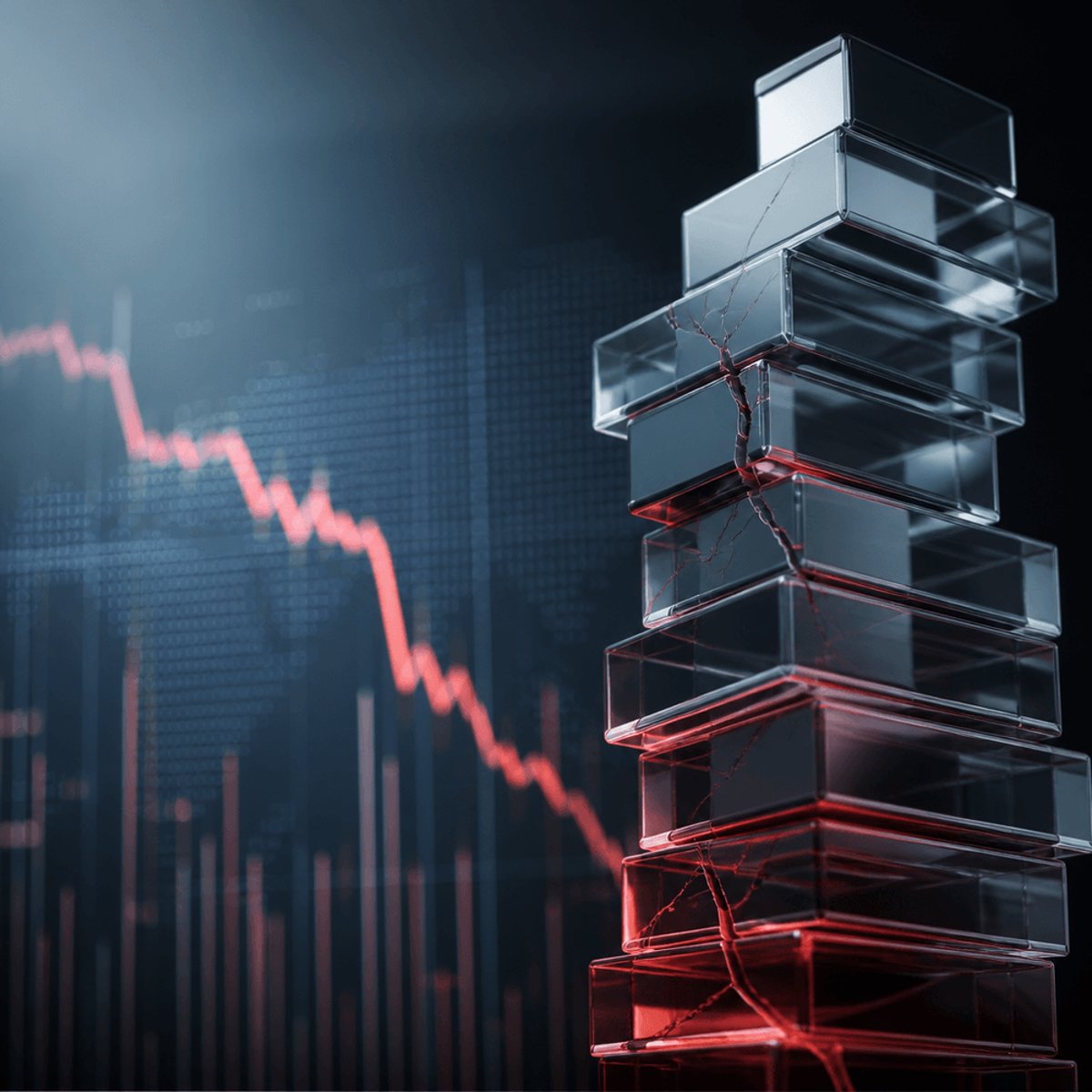
Leopold Aschenbrenner's meteoric rise from OpenAI researcher to hedge fund billionaire just hit a brutal wall. The Situational Awareness fund, which ballooned to $45 billion on the back of AI hype, lost most of its value this week in what's shaping up to be one of the fastest wealth destructions in tech history. The collapse sends shockwaves through an already jittery AI investment landscape where bets on machine learning stocks have turned increasingly speculative.
The warning signs were there, but nobody expected this. Leopold Aschenbrenner, who left OpenAI in early 2025 after a high-profile departure over safety concerns, launched Situational Awareness with a thesis that seemed bulletproof: AI infrastructure would be the defining investment opportunity of the decade. Within 18 months, he'd amassed $45 billion in assets under management, making him one of the youngest hedge fund managers to cross that threshold.
But this week, that empire came crashing down. According to sources familiar with the matter speaking to CNBC, the fund entered what traders call a "death spiral" - forced liquidations triggering margin calls, which triggered more liquidations. The speed of the collapse caught even seasoned Wall Street observers off guard.
Aschenbrenner's strategy was aggressive from the start. Unlike traditional tech-focused funds that diversify across sectors, Situational Awareness went all-in on AI picks. The fund held concentrated positions in Nvidia at leverage ratios that made risk managers nervous, along with heavy bets on AI-native startups and data center REITs. When the AI trade was working, returns were spectacular - the fund posted 180% gains in its first year. Institutional investors couldn't wire money fast enough.
The unraveling appears to have started with a liquidity crunch in AI infrastructure names. As Microsoft, Google, and Amazon all signaled more cautious AI spending in recent earnings calls, sentiment shifted fast. Nvidia shares, which had been trading at nosebleed valuations, dropped 22% in a single session last week. For a leveraged fund like Situational Awareness, that kind of move is catastrophic.
"When you're running 3-to-1 leverage on positions this concentrated, you don't have room for error," one former prime broker told reporters on condition of anonymity. "The fund was essentially a leveraged bet that AI hype would never cool off. That's not a hedge fund strategy - that's a prayer."
What makes the story particularly striking is Aschenbrenner's pedigree. His 2024 essay "Situational Awareness: The Decade Ahead" became required reading in Silicon Valley, laying out a compelling case for AGI arriving sooner than consensus expected. The document helped him raise capital from marquee names - sovereign wealth funds, university endowments, and tech founders looking to gain exposure to AI beyond their own companies. His OpenAI credentials gave him credibility that most 27-year-old fund managers could only dream of.
But credentials don't protect you from margin calls. As positions unwound, the fund was forced into fire sales of even its best assets. Sources indicate that Situational Awareness dumped entire stakes in private AI companies at steep discounts, creating panic among other holders of those securities. The contagion spread to other AI-focused funds, several of which reported redemption requests spiking this week.
The broader implications are significant. Situational Awareness wasn't some fringe player - it was emblematic of how institutional capital flooded into AI over the past two years. If a fund with this much expertise and access can blow up this spectacularly, what does that say about the hundreds of smaller AI-focused vehicles that have launched since ChatGPT's debut?
OpenAI declined to comment on Aschenbrenner's situation, though sources close to the company suggest there's no love lost. Aschenbrenner's departure was contentious, with the researcher publicly criticizing the company's approach to safety and security. His fund's collapse, some observers note darkly, comes at an awkward time for OpenAI itself, which is reportedly raising capital at a $150 billion valuation.
The human cost is mounting too. Limited partners who allocated capital to Situational Awareness are facing massive losses. One university endowment, which allocated 5% of its portfolio to the fund, is now looking at losses that could impact scholarship funding. Pension funds, always slow to recognize risks in hot sectors, are likely nursing significant wounds.
Redemption notices are now flooding in from whatever investors can still get out. Fund documents reportedly included lock-up provisions, but those tend to become meaningless once a fund enters liquidation mode. Prime brokers are circling, trying to recover what they can from the wreckage.
The Situational Awareness collapse will likely be studied in business schools for years - a case study in how intelligence and expertise don't immunize you against basic risk management failures. For the AI investment ecosystem, it's a wake-up call that leverage and concentration can turn paper billions into real losses faster than anyone thinks possible. The question now isn't whether other AI-focused funds are at risk, but how many, and whether this marks the beginning of a broader unwind in an sector that's been running hot for too long. Aschenbrenner built his fund on the belief that we're in the early innings of an AI revolution. The irony is that he might be right about the revolution, but dead wrong about how to invest in it.