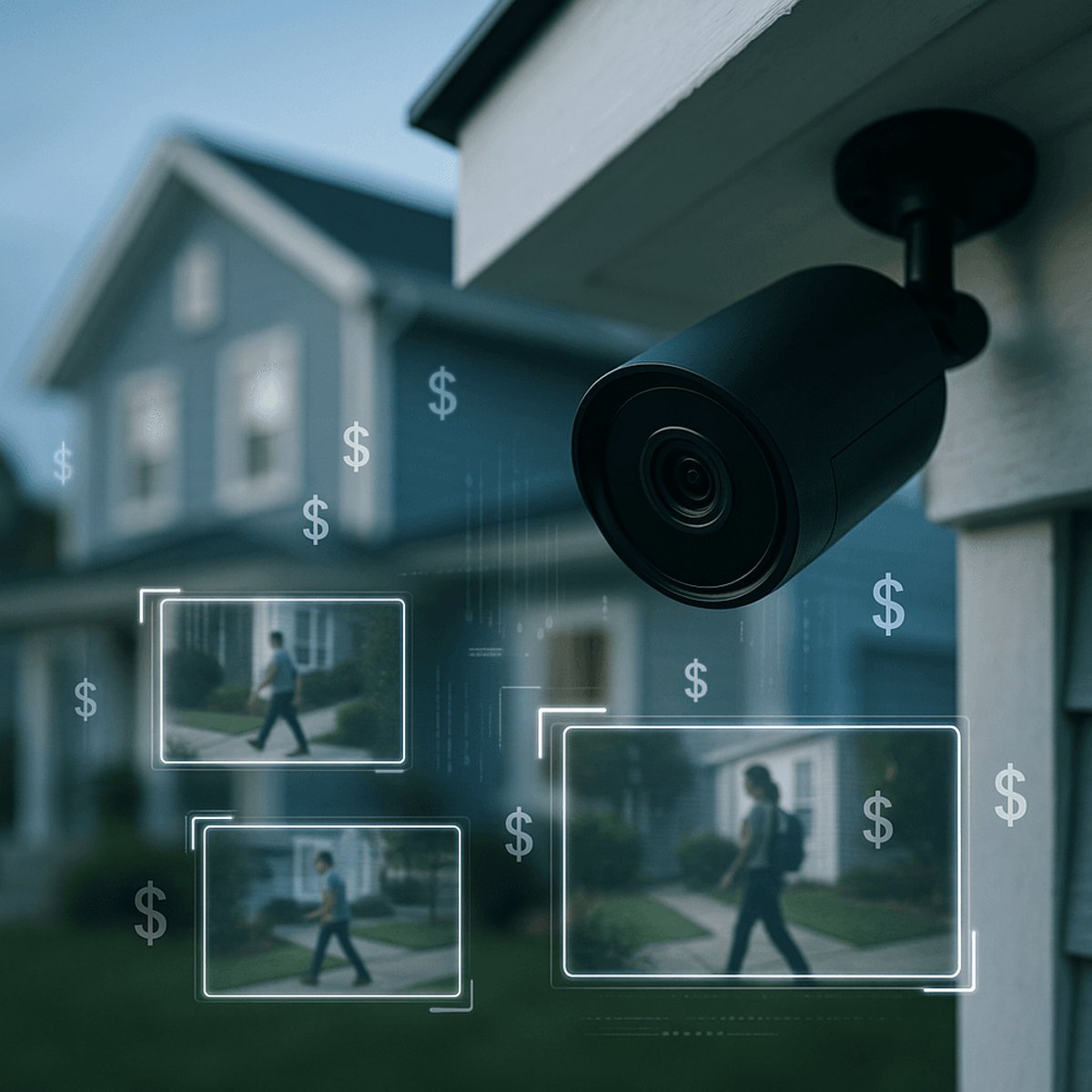
Anker's Eufy security cameras just revealed how desperate AI companies are getting for training data. The Chinese surveillance giant offered customers $2 per video to capture real and staged car thefts and package deliveries, ultimately collecting hundreds of thousands of clips from users' home security systems. The program raises serious privacy questions about what happens when your doorbell cam becomes an AI training tool.
Anker's surveillance camera subsidiary Eufy just pulled back the curtain on the new AI training economy - and it's happening right in your driveway. The Chinese company launched a controversial program earlier this year offering customers cold hard cash in exchange for home security footage, specifically targeting theft scenarios that would help train their AI detection systems.
The program, which ran from December 2024 through February, offered users $2 per video for capturing package thefts and car break-ins. But here's where it gets weird - Eufy actively encouraged customers to stage fake crimes. "You can even create events by pretending to be a thief and donate those events," the company wrote on its campaign page, suggesting users could "earn $80" by staging a car door theft scenario across multiple cameras.
Eufy set ambitious targets: 20,000 videos each of package thefts and car door pulls. Users submitted clips through a Google Form along with their PayPal details for payment. The company's appetite for this footage appears insatiable - their current "Video Donation Program" features an "Honor Wall" where the top contributor has uploaded a staggering 201,531 videos.
This data-hungry approach reflects the broader AI arms race, where companies are scrambling for high-quality training material. But it also highlights growing privacy concerns around smart home devices. Just last week, the viral calling app Neon went offline after TechCrunch discovered it was paying users for call recordings while exposing their personal data through security flaws.
Eufy's track record doesn't inspire confidence either. In 2023, The Verge exposed the company for misleading users about encryption, revealing that supposedly secure camera streams were actually unencrypted when accessed through their web portal. After initially denying the issue, Anker eventually admitted to misleading users and promised fixes.
The current program extends beyond theft detection. Eufy is also collecting footage from baby monitors, though without monetary compensation. The company insists all donated videos are "only used for AI training and improvement" and won't be shared with third parties - a promise that rings hollow given their encryption debacle.
What makes this particularly concerning is the scale. Over 120 users publicly confirmed participation in the cash program on Eufy's announcement page, and the ongoing donation system shows users contributing hundreds of thousands of additional clips. The company declined to answer TechCrunch's questions about total participation numbers, payment amounts, or data retention policies.
This represents a fundamental shift in the smart home ecosystem. Security cameras, once marketed as privacy-protecting devices, are becoming data collection tools where homeowners essentially pay companies to surveil them, then get paid pittances to help train the AI systems that will surveil others.
The timing is notable too. As AI companies face increasing scrutiny over training data sourcing - with lawsuits from publishers, artists, and other content creators - consumer-generated footage represents a seemingly legal alternative. Users technically consent by participating, even if they don't fully understand the implications.
But consent becomes murky when you consider that Eufy cameras capture more than just their owners. Package deliveries involve delivery drivers. Staged theft scenarios might include unsuspecting neighbors or passersby. The ripple effects of this data collection extend far beyond the users receiving payment.
Eufy's video-for-cash program reveals how the AI training economy is transforming everyday devices into data collection tools. While users receive small payments for their footage, the broader implications around privacy, consent, and surveillance capitalism remain largely unexplored. As more companies adopt similar strategies, consumers need to understand that their smart home devices aren't just protecting their property - they're becoming unwitting participants in massive AI training operations that could reshape digital surveillance forever.