Heron Power, the grid technology startup founded by former Tesla VP of powertrain and energy engineering Drew Baglino, just closed a $140 million funding round to scale production of what the company calls grid-altering technology. The raise comes as data center operators and AI companies scramble to secure reliable power infrastructure, with Baglino bringing his experience building Tesla's battery and energy systems to tackle one of tech's most pressing bottlenecks. According to TechCrunch, the capital will fund construction of a giga-scale manufacturing facility.
Heron Power is betting big on manufacturing scale to solve the electrical grid crisis that's holding back AI expansion and data center growth. The startup, led by former Tesla executive Drew Baglino, just secured $140 million to build what it describes as a giga-scale production facility for grid technology - borrowing the naming convention and production philosophy that made Tesla's battery factories famous.
Baglino left Tesla in 2024 after an 18-year run as senior vice president of powertrain and energy engineering, where he oversaw development of the company's battery systems, drive units, and energy storage products. His departure came during a broader executive shuffle at the EV maker, but the move now looks strategic. He saw an opening in the market that Tesla wasn't pursuing: grid-level power infrastructure specifically designed for the explosive demands of modern data centers and AI compute.
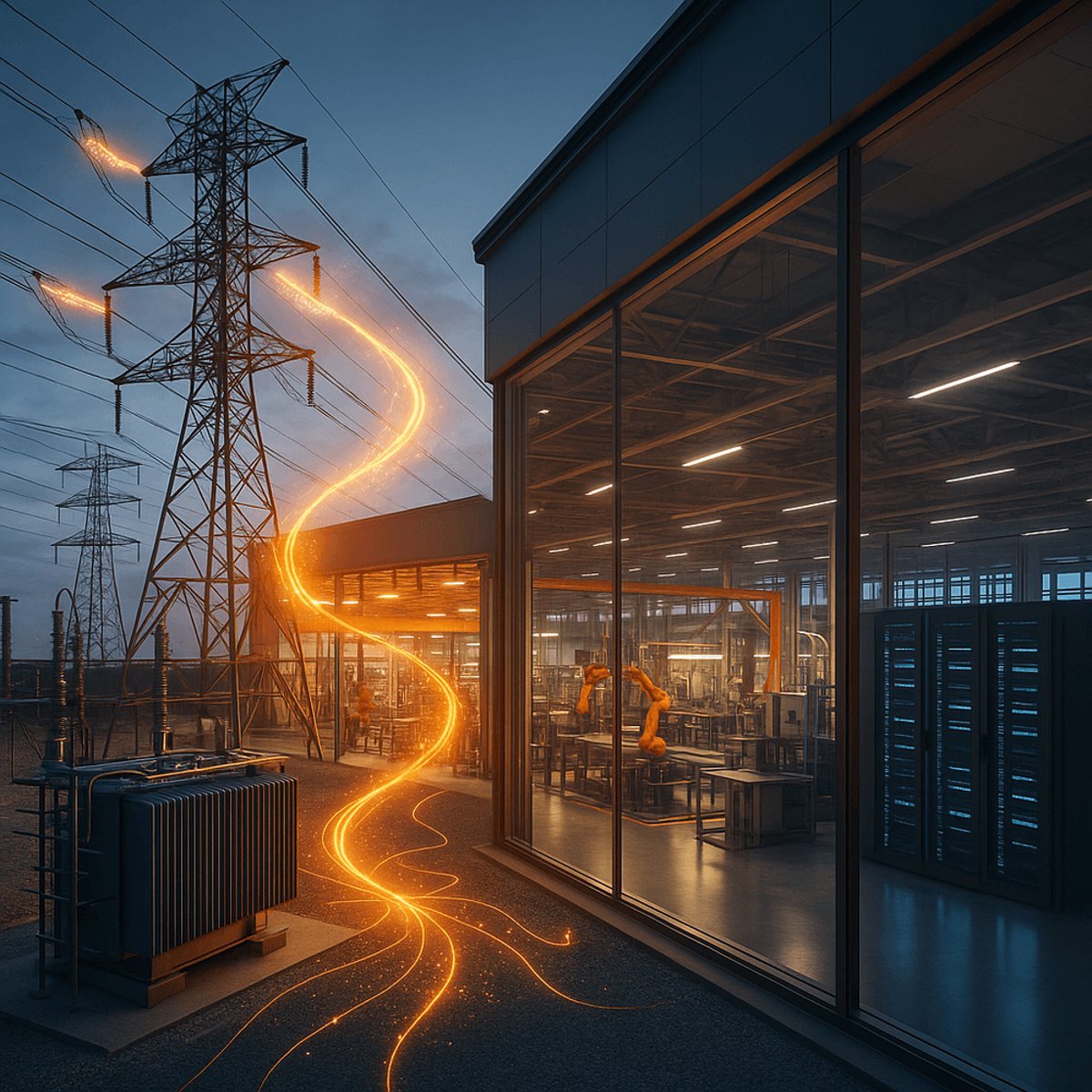
The timing couldn't be better. Tech giants are racing to build data centers to support AI training and inference, but they're hitting a wall - literally running out of available grid capacity in key markets. Microsoft, Google, and Amazon have all acknowledged power constraints as a limiting factor for AI infrastructure expansion. Some are turning to on-site nuclear reactors and other creative solutions, but the fundamental problem remains: the electrical grid wasn't built for the kind of concentrated power demands that modern AI facilities require.
Heron Power's approach focuses on production scale rather than just technology innovation. While the company hasn't disclosed specific technical details publicly, the "giga-scale factory" language suggests Baglino is applying lessons from Tesla's manufacturing playbook - vertical integration, automated production, and volume manufacturing to drive down costs. At Tesla, he helped scale battery production from laboratory curiosity to mass-market reality. Now he's attempting the same transformation for grid infrastructure.
The $140 million round positions Heron Power to move quickly from development to production. Building manufacturing capacity requires enormous capital investment upfront, and the size of this raise indicates investors believe both in Baglino's execution ability and the market opportunity. The funding round details - including lead investors and valuation - weren't disclosed in the initial TechCrunch report, but rounds of this size for climate and infrastructure startups typically come from a mix of venture firms and strategic corporate investors.
The competitive landscape for grid technology is heating up. Traditional utility equipment manufacturers like Siemens and ABB dominate existing markets, but they're built for steady, incremental upgrades - not the rapid deployment that data center operators need. Meanwhile, startups are attacking different parts of the problem. Some focus on software and grid management, others on distributed energy resources, and still others on novel transmission technologies. Heron Power's manufacturing-first strategy suggests it's building hardware that needs to be deployed at massive scale.
Baglino's Tesla pedigree matters here. He knows how to navigate complex supply chains, scale production processes, and work with utilities and regulators - all critical for a company trying to alter the electrical grid. His experience shipping physical products at volume gives Heron Power credibility that pure software or early-stage hardware startups lack. Investors are essentially betting that the same playbook that worked for electric vehicle batteries can work for grid infrastructure.
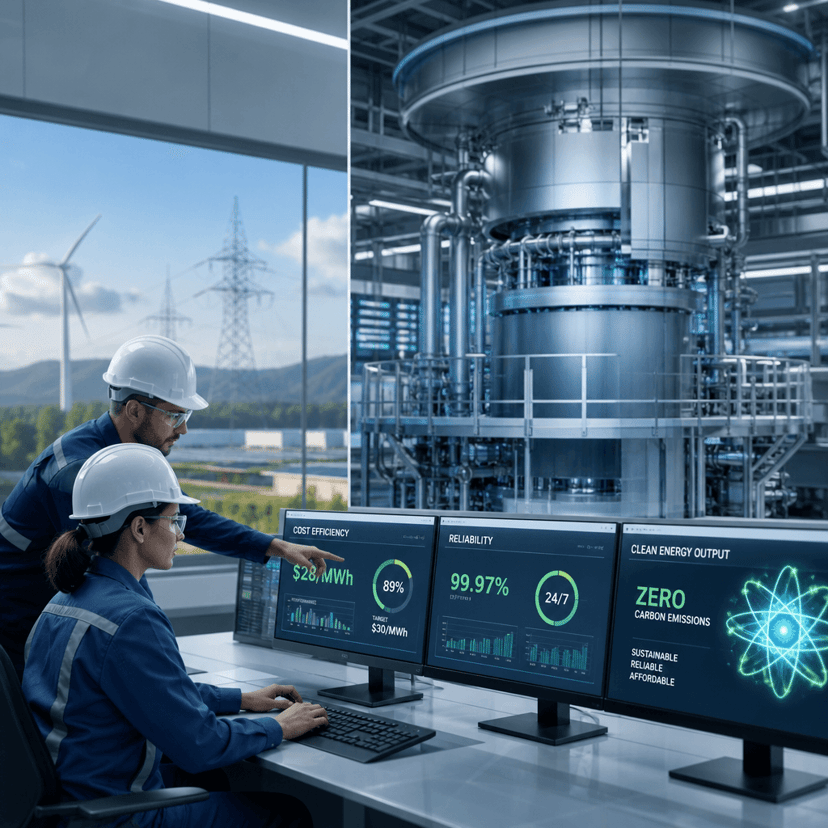
The broader implications extend beyond just data centers. If Heron Power can deliver grid technology that's faster to deploy and more cost-effective than traditional utility equipment, it could accelerate the transition to renewable energy and distributed power generation. The electrical grid is simultaneously the most critical and most outdated piece of modern infrastructure - a problem that's become impossible to ignore as AI pushes power demands to unprecedented levels.
What remains unclear is the specific timeline for production to begin and when the first commercial deployments might happen. Building a giga-scale factory takes time, even with $140 million in the bank. But Baglino's track record suggests he understands the urgency - and has a plan to move faster than traditional infrastructure timelines would suggest possible.
Heron Power's $140 million raise signals that grid infrastructure is finally getting the venture-scale attention it deserves. With AI companies desperate for reliable power and traditional utility equipment too slow to deploy, there's a real opening for a company that can manufacture grid technology at Tesla-like scale. Baglino's timing looks prescient - he left Tesla just as the power infrastructure crisis was becoming impossible to ignore, and now he's positioned to solve it with the same manufacturing-first approach that transformed the battery industry. The question isn't whether the market exists - it's whether Heron Power can execute fast enough to capture it before competitors or incumbents catch up.