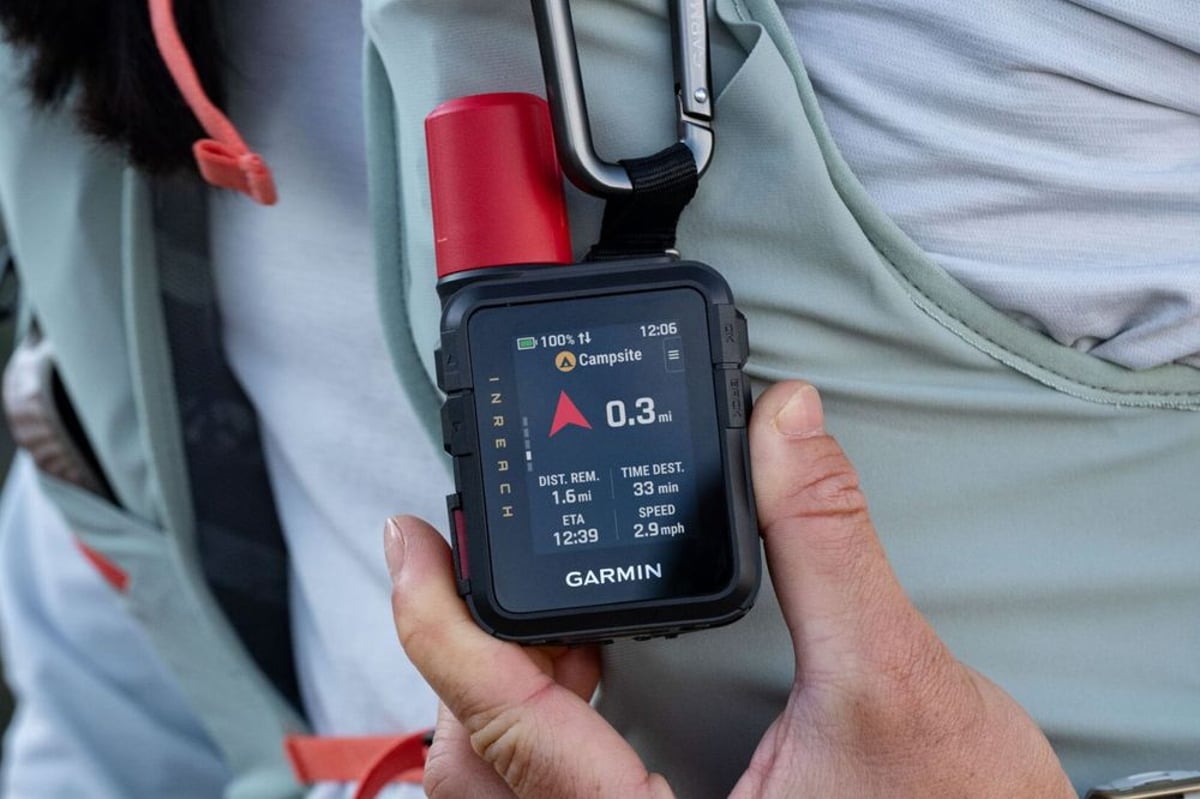
Garmin just upgraded its lifeline for off-grid adventurers. The new inReach Mini 3 Plus satellite communicator launches today with a color touchscreen, voice messaging, and photo sharing capabilities - marking the biggest leap forward for emergency communication devices in years. The $499.99 device addresses the biggest pain point of its predecessor: typing messages using button navigation.
Garmin is rewriting the rules for satellite communication devices. The company's new inReach Mini 3 Plus represents the most significant upgrade to personal satellite communicators since the category emerged, addressing every major complaint users had about texting in the wilderness.
The $499.99 device launches today with features that transform how people stay connected beyond cell coverage. Where the previous Mini 2 required painstaking button navigation to scroll through the alphabet, the new model introduces a color touchscreen that makes text messaging as intuitive as using a smartphone.
But the real breakthrough is voice messaging. The Mini 3 Plus includes a built-in microphone and speaker for recording 30-second voice messages that transmit via satellite. For situations where silence is crucial - like wildlife photography - the device automatically transcribes voice recordings into text.
Photo sharing adds another layer of utility beyond just scenic sunset shots. Since the device pairs with smartphones via the Garmin Messenger app, users can transmit location images to assist rescue operations or send photos of broken equipment for remote troubleshooting. It's a feature that could prove invaluable in emergency situations.
The price jump from the $399.99 Mini 2 reflects more than just feature additions. Garmin has essentially created a pocket-sized communication hub that rivals capabilities found in much larger satellite phones. The 1,600-character text limit represents a 10x increase over typical satellite messaging constraints.
Battery performance varies dramatically based on usage patterns. Conservative users who only share location every 10 minutes can expect up to 350 hours of operation. Those maximizing the "performance messaging mode" with voice, photos, and extended texting will see closer to 95 hours - still impressive for satellite technology.
The subscription model remains unchanged but essential. Monthly plans range from $7.99 to $49.99 based on message volume, with satellite communication features requiring active service. Navigation and basic GPS functions work without subscription.
Garmin also offers a stripped-down inReach Mini 3 for $449.99 that includes the color touchscreen and improved text messaging but omits voice features and photo sharing. It's positioned for users who want the interface improvements without the communication upgrades.
Competitive pressure in the satellite communication space has intensified. Apple's Emergency SOS via satellite feature and upcoming broader satellite messaging capabilities have pushed traditional players like Garmin to innovate faster. The Mini 3 Plus represents a clear response to smartphone integration trends.
Industry analysts expect satellite communication to become increasingly mainstream as device costs drop and network coverage expands. Garmin's move toward smartphone-like interfaces signals a recognition that users won't tolerate clunky emergency devices when their lives depend on clear communication.
The timing coincides with growing interest in outdoor recreation and remote work arrangements that push people beyond traditional connectivity zones. What started as a niche emergency device category is evolving into essential infrastructure for the location-independent economy.
The inReach Mini 3 Plus marks Garmin's most ambitious satellite communicator yet, transforming emergency devices from survival tools into practical communication platforms. With touchscreen interfaces and smartphone integration, it signals the maturation of satellite messaging from niche emergency gear to mainstream connectivity infrastructure. The $100 price premium over its predecessor reflects genuine capability improvements that address real user frustrations, positioning Garmin to compete with tech giants entering the satellite communication space.