MyFitnessPal just acquired Cal AI, the viral calorie-tracking app built by teenagers that's been climbing the app store charts. After months of courtship, the fitness tracking giant closed the deal for its AI-powered rival, marking another sign that legacy health apps are scrambling to acquire Gen Z-friendly AI alternatives rather than build them in-house. The acquisition comes as Cal AI was gaining serious traction with younger users who found traditional calorie counting tedious.
MyFitnessPal just made its biggest bet on the future of calorie tracking. The company acquired Cal AI, the surprise hit app built by teenage founders that's been tearing up the app stores with its AI-powered approach to nutrition logging. According to TechCrunch, the deal closes after months of MyFitnessPal actively pursuing the upstart competitor.
The acquisition reflects a broader shift happening across consumer health tech. Legacy players like MyFitnessPal, which has dominated calorie counting for over a decade, are racing to adapt as AI reimagines how people interact with nutrition data. Rather than spend years rebuilding their tech stack, they're opening their wallets for apps that already cracked the code with younger users.
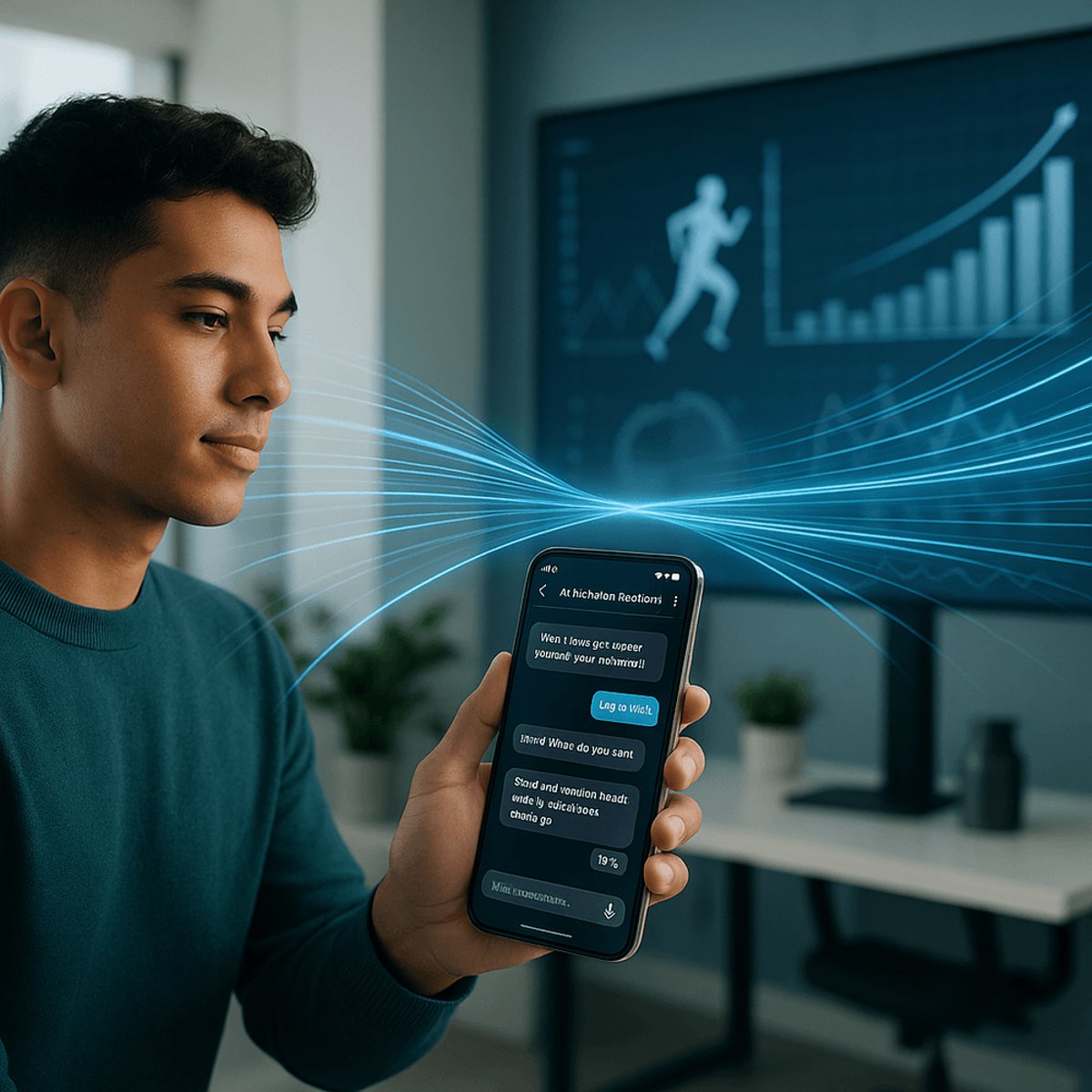
Cal AI's viral growth caught the industry off guard. The app exploded on TikTok and Instagram, where Gen Z users praised its conversational AI interface that lets you describe meals in natural language instead of manually searching databases. "Just ate a burrito bowl" becomes a logged meal in seconds, complete with macro breakdowns. That simplicity resonated with users who found MyFitnessPal's traditional database search clunky and time-consuming.
What makes this deal particularly notable is Cal AI's founding story. The app was built by teenagers who grew up with AI assistants and designed the experience they wished existed. Their youth became a feature, not a bug - they intuitively understood what their demographic wanted from a health app. The team's age also generated significant media attention, turning Cal AI into a case study for how young founders are leveraging AI to disrupt established categories.
MyFitnessPal has faced mounting pressure to modernize. The app's core experience hasn't changed dramatically in years, even as competitors like Lose It! and Noom experimented with coaching and behavioral psychology. Cal AI represented an existential threat - a nimbler competitor that could steal the next generation of users before MyFitnessPal even noticed they were gone.
Financial terms of the acquisition weren't disclosed, but the deal structure likely balanced cash with retention incentives for Cal AI's young founding team. These acqui-hires have become standard in consumer AI, where the talent and product vision matter as much as the technology itself. MyFitnessPal will want to keep the founders engaged to maintain Cal AI's momentum and cultural cachet with Gen Z.
The timing also reflects broader M&A activity in AI-powered consumer apps. Investors who backed hundreds of AI app experiments in 2024 and 2025 are now looking for exits as the market matures. Consolidation was inevitable - only a handful of AI nutrition apps can realistically survive long-term, and strategic acquisitions by established players offer better outcomes than trying to outlast competitors in a crowded market.
For MyFitnessPal, the acquisition solves multiple problems simultaneously. It eliminates a fast-growing competitor, acquires proven AI technology and talent, and gives the company a credible Gen Z product it can scale through its existing user base of over 200 million registered accounts. The challenge will be integrating Cal AI without killing what made it special - the lightweight, AI-first experience that attracted users in the first place.
Industry observers expect more deals like this as established consumer apps realize they can't ignore AI disruption. Every category from finance to productivity faces similar pressure from AI-native upstarts built by founders who grew up with ChatGPT. Buy, build, or die has become the strategic framework, and MyFitnessPal just chose to buy.
MyFitnessPal's acquisition of Cal AI marks a pivotal moment in consumer health tech - legacy players are acknowledging they can't out-innovate AI-native startups fast enough to retain the next generation. The deal validates that conversational AI interfaces aren't just a novelty but a genuine shift in how younger users expect to interact with apps. For the broader startup ecosystem, it sends a clear signal that strategic acquirers are actively hunting for AI-powered alternatives to their own products, creating exit opportunities even in seemingly mature categories. The real test comes next: can MyFitnessPal integrate Cal AI's magic without corporate antibodies killing what made a teen-built app go viral in the first place?