Google just flipped the switch on something the AI industry's been promising for years - an assistant that actually does things for you. The company's March Pixel drop brings agentic AI capabilities to the Pixel 10 lineup, letting Gemini autonomously book rides, order food, and handle errands while you go about your day. It's the kind of ambient computing Google's been teasing since the Assistant days, but this time it might actually work.
Google is making its biggest bet yet that people want AI to stop just answering questions and start handling their to-do lists. The company's March Pixel drop, rolling out now to the Pixel 10 lineup, brings agentic capabilities to Gemini that let the assistant work independently across select apps - ordering groceries, booking rides, and managing tasks without constant hand-holding.
The feature marks a significant evolution from traditional voice assistants. Instead of requiring step-by-step commands, you can ask Gemini to "order my usual from Grubhub" or "book me an Uber home," and the AI handles the multi-step process on its own. According to Google's announcement via The Verge, the assistant works in the background while users continue using their phones normally.
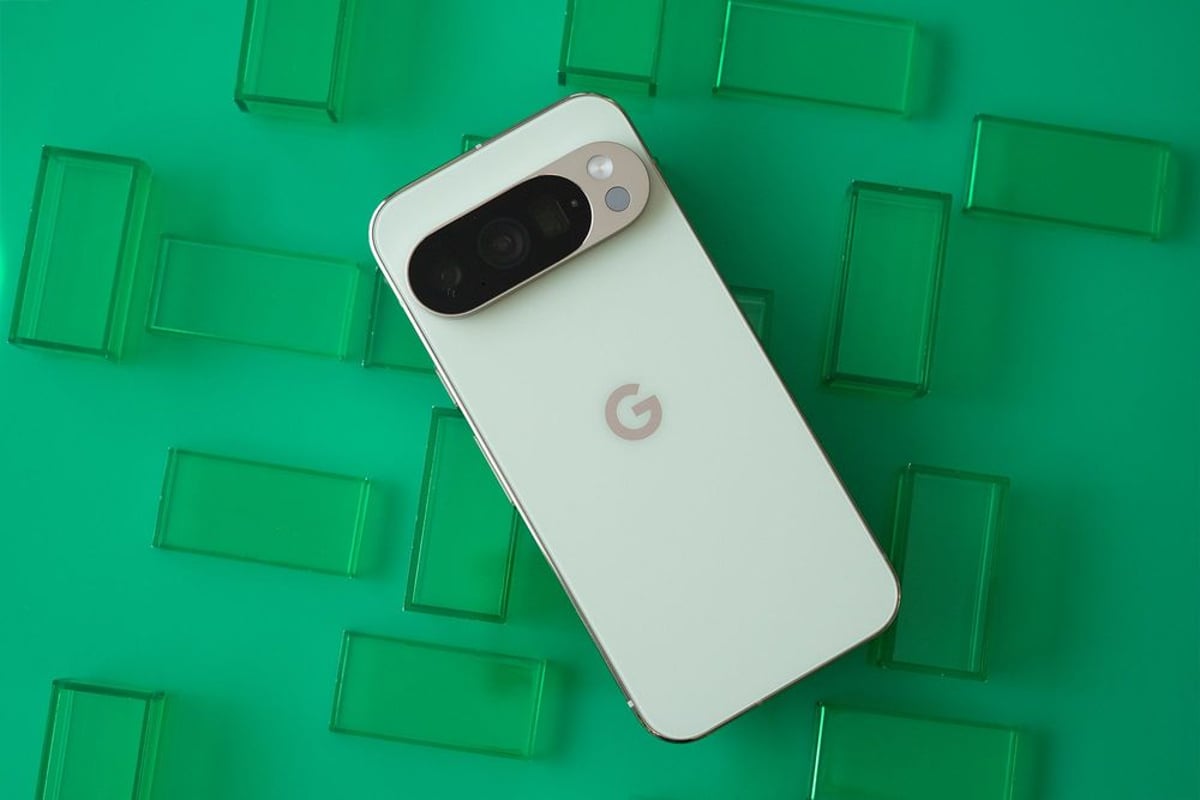
It's a capability Google first showed off during Samsung's Unpacked event last week, but the Pixel 10 series is getting it first. The rollout includes the Pixel 10, Pixel 10 Pro, and Pixel 10 Pro XL, with support for "select" apps at launch - notably Uber and Grubhub.
What sets this apart from previous assistant attempts is the supervision model. Google's built in safeguards that let users monitor or interrupt Gemini's work at any point, addressing the trust gap that's plagued autonomous AI systems. You're not handing over complete control - you're delegating with oversight.
The timing couldn't be more strategic. As the AI arms race shifts from chatbots to agents, Google's racing against OpenAI's rumored agent capabilities and Microsoft's Copilot expansions. The difference? Google controls the entire stack on Pixel - hardware, OS, and AI - giving it integration advantages competitors can't match on third-party devices.
But the limited app support reveals how far agentic AI still has to go. While Uber and Grubhub integration is useful, most daily tasks happen across dozens of apps. Google's clearly starting with partnerships where it can ensure reliable performance, but the real test will be expanding to email management, calendar scheduling, and complex multi-app workflows.
The move also signals Google's product strategy going forward. By giving Pixel exclusive early access to premium AI features, the company's using software differentiation to compete in a crowded smartphone market where hardware specs have plateaued. It's the same playbook Apple perfected with iOS features, but with AI as the hook.
Industry observers note this could reshape expectations for smartphone AI. "We're seeing the shift from AI as a feature to AI as a fundamental interaction model," one analyst told industry watchers. If Gemini can reliably handle mundane tasks, it raises the bar for what users expect from Samsung's Bixby, Apple's Siri, and every other mobile assistant.
The privacy implications are significant too. For Gemini to order your groceries or book rides, it needs deep access to app data, payment info, and personal preferences. Google's walking a tightrope between utility and privacy concerns, especially as regulatory scrutiny of AI data practices intensifies.
Early reactions from the Pixel community suggest cautious optimism. Users who've spent years disappointed by Assistant's limitations are curious whether Gemini can finally deliver on the promise of truly helpful AI. But there's skepticism too - Google has a history of launching ambitious features that get quietly deprecated.
What's clear is that Google sees agentic AI as the next battleground. The company's not just building a better assistant - it's reimagining how people interact with their phones. Whether users actually want an AI handling their errands autonomously remains to be seen, but Google's betting billions that they will.
Google's agentic AI rollout represents either the beginning of genuinely useful smartphone assistants or another overpromised feature that underwhelms in practice. The limited app support and Pixel-exclusive launch suggest Google's testing the waters carefully, but the ambition is clear - the company wants Gemini to become the invisible layer that handles digital busy work. If it works reliably, it could redefine what smartphones are for. If it doesn't, it'll join the long list of Google features that sounded revolutionary in keynotes but fizzled in real-world use. The next few months of user feedback will tell us which future we're headed toward.