SpaceX just crashed into your retirement account. The rocket company's record-breaking $1.77 trillion IPO and lightning-fast inclusion in the Nasdaq-100 has thrust a volatile, Elon Musk-controlled stock into millions of passive index funds. What was supposed to be the safest investment strategy - diversified, hands-off index investing - now carries exposure to what critics call a massively overvalued gamble. The question isn't whether you own SpaceX stock anymore. It's whether the index fund model itself can survive when speculative giants get special treatment.
SpaceX landed on Wall Street with a valuation that makes Tesla look quaint. At $1.77 trillion, the rocket and satellite company didn't just go public - it became an instant fixture in index funds that power retirement accounts across America. And that's where things get interesting.
Index funds have long been marketed as the safe harbor of investing. Don't pick stocks, don't time markets, just buy everything and let diversification work its magic. But when a company this massive and this controversial gets expedited entry into the Nasdaq-100, that promise hits some turbulence. According to NBC News, the IPO's sheer size triggered automatic inclusion protocols that fund managers couldn't avoid even if they wanted to.
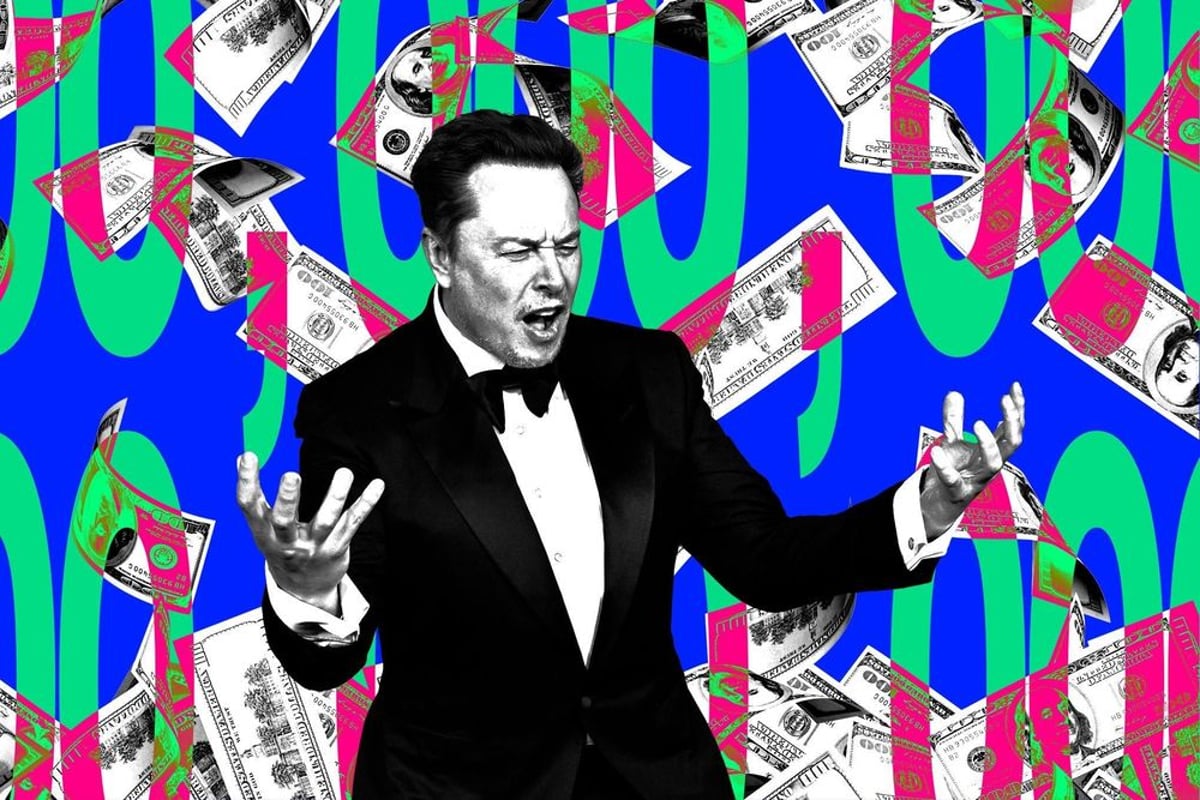
Elizabeth Lopatto at The Verge frames the dilemma plainly: people who deliberately avoided Elon Musk's companies now own a piece of his rocket empire through their 401(k)s. The mechanics are simple but unforgiving. When a company joins the Nasdaq-100, index funds tracking that benchmark must buy shares in proportion to the company's weight. With SpaceX's valuation, that weight is substantial.
The concerns run deeper than personal preference. The Guardian reports that financial analysts view SpaceX as a particularly risky bet for passive investors. The company's valuation rests heavily on future government contracts, unproven satellite internet margins at Starlink, and Mars ambitions that remain, charitably, speculative. Unlike mature tech giants that joined indexes with established revenue streams, SpaceX brings mission risk quite literally.
But here's the twist - this isn't really about SpaceX. It's about what happens when index investing, now holding over $10 trillion in U.S. assets, meets the reality of mega-IPOs. The strategy that democratized investing by letting regular people own the whole market also means they can't opt out when the market adds something volatile. Vanguard, BlackRock, and Fidelity didn't have a choice. Their index funds are contractually obligated to mirror their benchmarks.
The valuation question looms large. Previous reporting from The Verge noted skepticism about SpaceX's pricing even before it went public. At $1.77 trillion, the company is valued higher than most oil majors and established aerospace giants combined. Boeing and Lockheed Martin together don't approach half that figure. The bet assumes SpaceX will dominate launch services, scale Starlink to profitability, and potentially monetize Mars exploration - a lot of ifs for retirement money.
Market watchers point to parallels with previous mega-cap additions. When Alphabet and Meta joined major indexes, they brought volatility but also proven business models. SpaceX's inclusion feels different because so much value hinges on technological achievements and political relationships that could shift. Government contracts that underpin launch revenue depend on NASA budgets and Pentagon priorities. Starlink faces regulatory hurdles in multiple countries and competition from Amazon's Project Kuiper.
For index fund investors, the math is unforgiving. If SpaceX stumbles - a failed mission, a regulatory setback, or simply multiple expansion unwinding - Nasdaq-100 funds take the hit proportionally. The diversification benefit that made index funds attractive gets tested when a single stock commands outsize weight. And unlike active fund managers who can reduce exposure, index funds must hold until SpaceX shrinks in market cap or exits the benchmark.
The situation reveals a structural quirk in modern investing. Passive strategies assume the index itself provides appropriate balance. But who decides what belongs in the index? Nasdaq's methodology uses market cap and liquidity metrics, not fundamental analysis or risk assessment. SpaceX qualified on paper the moment it went public at that valuation. The system worked exactly as designed, even if the outcome makes some investors uncomfortable.
What retail investors can do is limited. You can't tell your Nasdaq-100 index fund to skip SpaceX. Some advisors suggest rebalancing toward S&P 500 funds, where SpaceX's weight would be smaller relative to the broader market. Others recommend accepting this as the cost of passive investing's benefits. The strategy saves on fees and typically outperforms active management, but it means owning whatever the index owns.
The longer-term question is whether mega-IPOs will increasingly weaponize index mechanics. If founders know that reaching a certain valuation guarantees forced buying from trillions in passive funds, does that create perverse incentives? SpaceX isn't the first to benefit from index inclusion buying pressure, but its scale is unprecedented. Future companies might time their IPOs and structures specifically to trigger automatic index fund purchases.
For now, millions of Americans who thought they were playing it safe with index funds have become SpaceX investors by default. Whether that proves brilliant or disastrous depends on whether Elon Musk's rocket company can justify a valuation that exceeds most countries' GDP. The index will rebalance eventually if it can't. Until then, your retirement account is going to Mars whether you bought a ticket or not.
SpaceX's fast-track into the Nasdaq-100 exposes the double-edged nature of index investing. The same passive strategy that democratized Wall Street and beat most active managers now means retail investors can't avoid exposure to high-risk, high-valuation bets when they hit certain market cap thresholds. It's not a flaw in the system so much as a feature that nobody thought much about until a $1.77 trillion rocket company showed up. The index fund revolution made investing accessible and affordable, but it also tied millions of retirement accounts to whatever stocks pass the inclusion criteria - no questions asked, no risk assessment required. As mega-IPOs become more common, that trade-off will define a generation of passive investors who thought they were playing it safe.