Google is doubling down on American AI dominance with a massive $9 billion investment in Virginia through 2026, building new data centers in Chesterfield County while launching unprecedented AI education programs. The move positions Google to capture the exploding enterprise AI market while addressing critical infrastructure bottlenecks that have constrained cloud growth. This isn't just about servers—it's about creating the talent pipeline and energy grid innovations needed to keep the U.S. ahead in the global AI race.
Google just made its boldest bet yet on American AI infrastructure, announcing a staggering $9 billion investment in Virginia that reshapes how we think about the cloud computing arms race. The announcement, dropped this afternoon via Google's official blog, signals the search giant is moving aggressively to capture enterprise customers hungry for AI computing power.
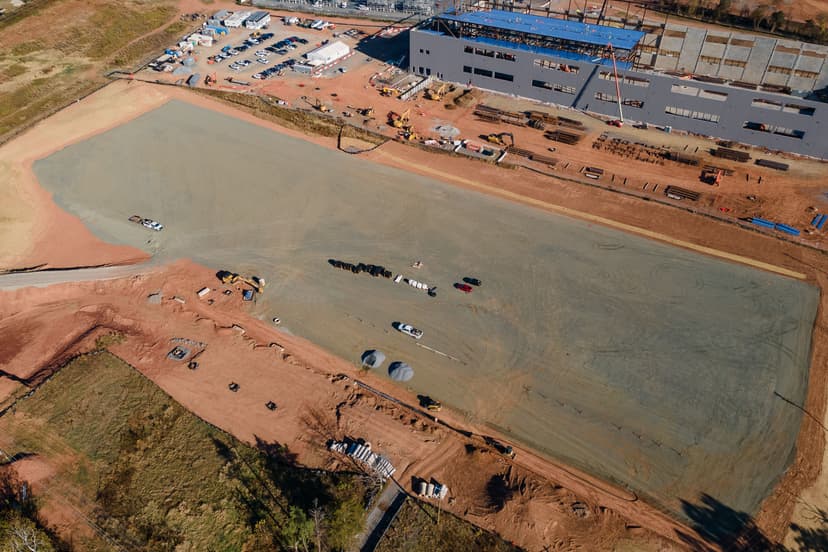
The centerpiece is a new data center complex in Chesterfield County that will anchor Google's East Coast AI operations through 2026. But this isn't your typical server farm expansion—Google is tackling the industry's biggest headache: power. The company is partnering with Virginia's energy sector on grid innovation programs and investing in fusion technology to solve the massive energy demands of AI training and inference.
The timing couldn't be more strategic. Enterprise AI adoption has exploded 340% in the past year, according to industry analysts, creating a supply crunch for specialized computing infrastructure. While competitors like Microsoft and Amazon scramble to build capacity, Google is betting big on Virginia's business-friendly environment and proximity to Washington's government contracts.
"This is an extraordinary time for American innovation," the company stated, positioning the investment as critical for U.S. AI leadership against international competitors. The subtext is clear: whoever controls AI infrastructure controls the future economy, and Google isn't ceding ground to Chinese competitors or domestic rivals.
But Google's Virginia play extends far beyond silicon and steel. The company is launching an unprecedented workforce development program, offering free AI training to all Virginia college students through its AI Pro platform. The University of Virginia, Brightpoint Community College, and Northern Virginia Community College are joining Google's AI for Education Accelerator, creating a talent pipeline that could reshape the state's tech ecosystem.
The education component represents a $1 billion commitment that builds on Google's existing "Virginia Has Jobs" AI Career Launch Pad. This isn't corporate philanthropy—it's strategic workforce development designed to ensure Google has the skilled talent to operate its expanding infrastructure while creating customer loyalty among future enterprise decision-makers.
Industry insiders see the move as Google playing catch-up to Microsoft's Azure dominance in government and enterprise markets. Virginia's proximity to federal agencies and defense contractors makes it crucial real estate in the cloud wars. Google Cloud has been the perpetual third-place player behind AWS and Azure, but AI workloads could change that dynamic entirely.
The energy partnerships reveal another layer of Google's strategy. Data centers already consume 4% of global electricity, and AI training can increase that demand tenfold. By investing in Virginia's grid infrastructure and experimental technologies like fusion, Google is positioning itself to scale AI services without hitting power constraints that could throttle competitors.
Wall Street analysts expect this Virginia investment to trigger similar announcements from Microsoft and Amazon as the cloud giants race to build AI-optimized infrastructure. The question isn't whether competitors will respond, but whether they can match Google's integrated approach combining infrastructure, energy innovation, and workforce development.
For Virginia, the investment represents a potential economic transformation. The state is positioning itself as the "Silicon Valley of the East Coast," leveraging its educated workforce, business climate, and strategic location. Governor Glenn Youngkin has been aggressively courting tech investments, and Google's commitment validates that strategy on a massive scale.
The broader implications extend beyond Virginia's borders. Google's investment signals the AI infrastructure build-out is accelerating, with companies recognizing that tomorrow's competitive advantages will be built on today's computing capacity. The race to dominate enterprise AI isn't just about better algorithms—it's about who can deliver the most reliable, scalable, and energy-efficient infrastructure.
This Virginia announcement also highlights a shift in Google's corporate strategy under CEO Sundar Pichai, moving from defensive responses to competitors toward proactive infrastructure investments that could define the next decade of cloud computing. The company is betting that controlling the full stack—from data centers to energy systems to workforce development—will give it unassailable advantages in the AI economy.
Google's $9 billion Virginia commitment represents more than infrastructure spending—it's a comprehensive strategy to dominate the AI economy through integrated investments in computing power, energy innovation, and workforce development. As enterprise AI adoption accelerates and power constraints threaten to limit cloud growth, Google is positioning itself to capture outsized market share by solving the industry's biggest challenges. The move will likely trigger competitive responses from Microsoft and Amazon, but Google's head start in Virginia could provide lasting advantages in the race to power America's AI transformation. Watch for similar mega-investments as cloud giants scramble to build the infrastructure that will define the next decade of technological leadership.