Google just pushed out a fresh round of Android updates, and this one's less about flashy new phones and more about making the software work better for everyone. The update bundles in a motion sickness reduction feature, a handful of accessibility upgrades, and several tools that lean directly on Gemini to do the heavy lifting, according to TechCrunch.
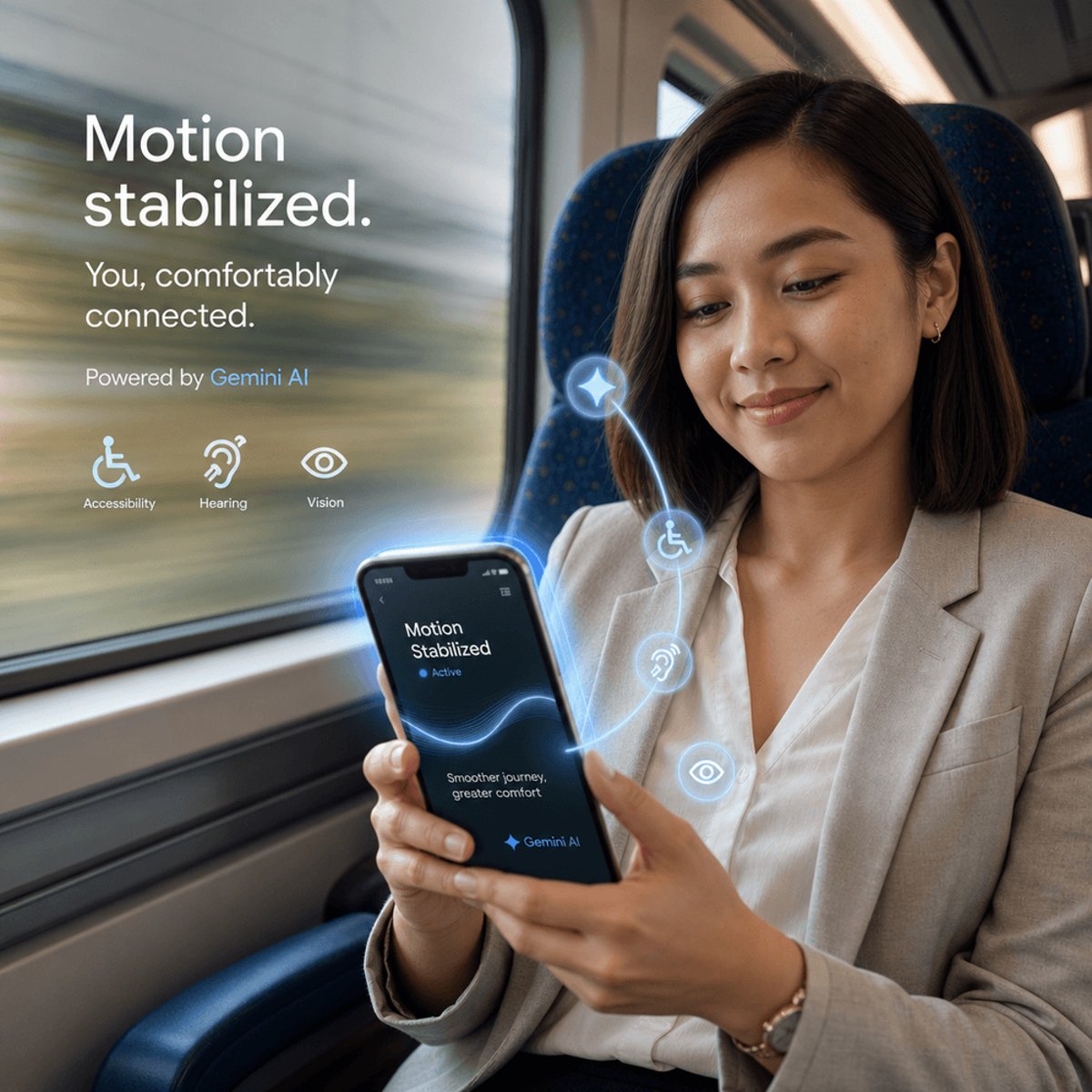
Google is rolling out a new batch of Android features, and the headline grabber is a tool aimed at reducing motion sickness, the kind of queasy feeling a lot of people get when they're scrolling on a phone in a moving car or bus. It's a small but telling addition. Phone makers have mostly ignored this problem for years even though it affects a huge chunk of commuters and rideshare passengers who just want to check email or watch a video without feeling sick. Google's fix reportedly works by adjusting what's on screen based on motion sensor data, smoothing out the visual mismatch between what your eyes see and what your inner ear feels, which is the root cause of motion sickness in the first place.
But the update isn't just about queasy stomachs. A chunk of the release is dedicated to accessibility, and here's where things get a bit more interesting from a competitive standpoint. According to TechCrunch's reporting, several of these features are Google playing catch-up to Apple, which has offered similar accessibility tools on iPhone for a while now. That's not a huge shock. Apple has historically moved faster on accessibility, building out things like AssistiveTouch, Voice Control refinements, and eye-tracking support well ahead of Android's equivalents. Google closing that gap matters for the millions of Android users who rely on these tools daily, even if it means Google is following rather than leading on this particular front.
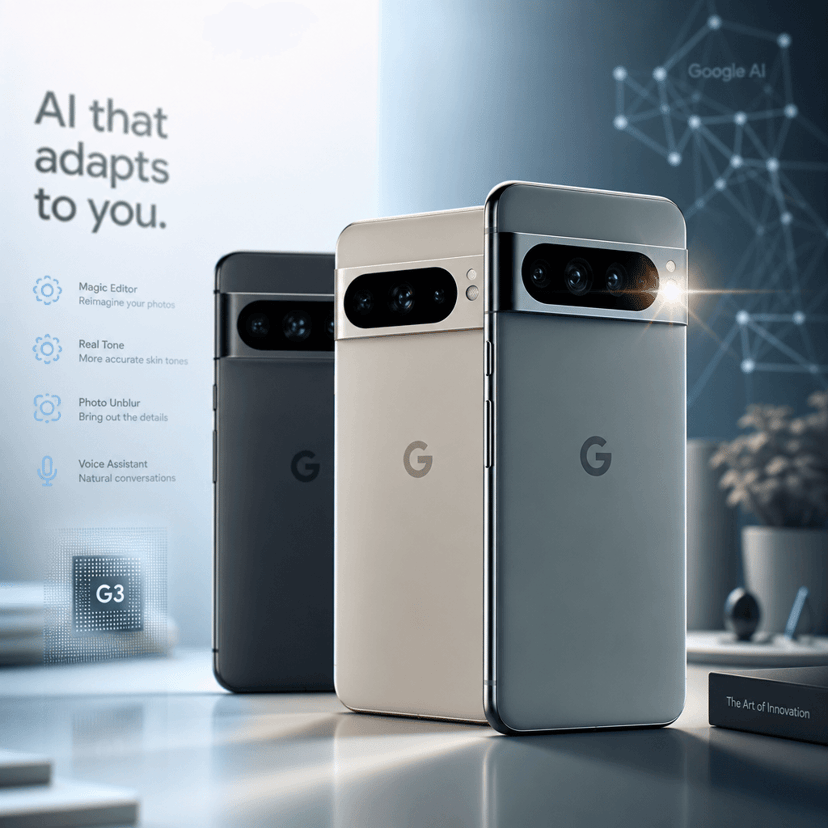
Where Android does seem to be carving its own path is in the features built around Gemini, Google's AI model that's increasingly baked into every corner of its software stack. Rather than just porting over accessibility concepts that already exist on iPhone, Google is using Gemini to power improvements that Apple, at least for now, doesn't have a direct answer to. That's consistent with the broader strategy we've seen from Google over the past year, embedding Gemini into everything from Android's core settings to Workspace apps to search itself. The company has made clear that AI isn't going to be a bolt-on feature anymore, it's going to be the layer everything else runs through.
This pattern, matching Apple feature-for-feature on some fronts while pushing ahead with AI on others, says a lot about where the smartphone rivalry actually stands right now. Apple still holds an edge in the polish and maturity of its accessibility suite, something reviewers and disability advocates have pointed to for years. But Google's bet is that Gemini gives it a wedge Apple can't easily close, at least not until Apple's own AI ambitions, which have been notably slower to materialize, catch up. Apple has talked up its Apple Intelligence platform but has faced delays and scaled-back promises compared to what was originally teased, leaving an opening for Google to differentiate on the AI side even while it plays defense on accessibility basics.
For everyday users, none of this is going to show up as a single blockbuster headline feature. It's more incremental than that: smoother scrolling in a moving car, better support for people with vision or motor impairments, and AI-assisted tools that quietly make the phone easier to use. But incremental is often how these platform wars actually get won or lost. Small utility features build loyalty in ways flashy launches don't always manage to. The real question now is how far Google pushes Gemini into the accessibility and comfort features that used to be purely mechanical fixes, and whether Apple responds by accelerating its own AI accessibility roadmap or continues to lean on its existing lead in that category.
What happens next probably depends on how users actually respond to the motion sickness feature specifically, since it's the kind of thing that could either become a signature Android selling point or quietly fade into the background like plenty of accessibility features before it. Either way, it's a reminder that not every meaningful software update needs a big stage or a splashy keynote.
None of these updates will make headlines the way a new Pixel launch might, but they matter in a quieter, more durable way. Google closing the accessibility gap with Apple helps millions of Android users right now, while its Gemini-powered additions signal where the real competitive battle is headed next. As both companies race to fold AI deeper into their operating systems, features like these, unglamorous as they are, will likely decide which platform feels genuinely easier to live with day to day.