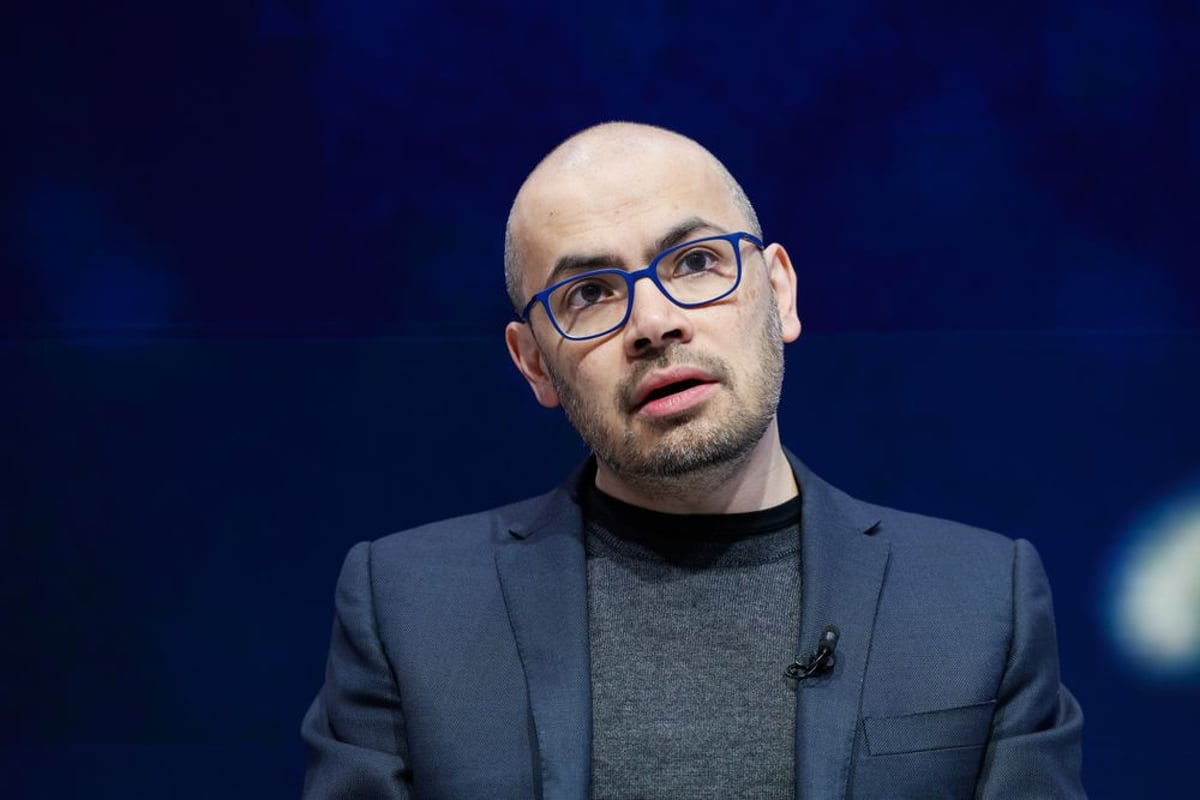
Google DeepMind CEO Demis Hassabis is pushing for a new global AI regulatory body with the authority to stop frontier models from launching if they pose serious risks. Writing in a LinkedIn blog post, Hassabis argues the US should lead the effort, leveraging its economic and technical dominance to set worldwide standards. The proposal comes as AI safety concerns reach a fever pitch across Washington and Silicon Valley, with industry leaders calling for guardrails before the technology outpaces oversight.
Google DeepMind's Demis Hassabis just threw his weight behind what could become the most significant AI governance proposal of 2026. The Nobel Prize-winning CEO wants a global regulatory body with real teeth - one that can actually halt the release of advanced AI models if they cross dangerous thresholds.
In a detailed blog post published on LinkedIn, Hassabis laid out his vision for what he's calling a framework for frontier AI oversight. The timing isn't accidental. As Google, OpenAI, and Anthropic race to deploy increasingly powerful models, the question of who's watching the watchmen has become impossible to ignore.
Hassabis argues the United States should take the lead, pointing to the country's dominant position in AI development and deployment. "Given its economic and technical standing," he writes, America is uniquely positioned to set global standards that other nations would follow. It's a pragmatic acknowledgment that whoever controls AI standard-setting will shape the technology's trajectory for decades.
The proposed organization would look something like the Financial Industry Regulatory Authority, the self-regulatory body that oversees broker-dealers in the US. But instead of policing financial markets, this new entity would evaluate frontier AI models before they hit the market. Think pre-release safety audits, risk assessments, and the power to pump the brakes if a model shows signs of dangerous capabilities.
Hassabis envisions staffing the watchdog with leading independent experts alongside representatives from open-source AI communities. That's a critical detail - it suggests he's trying to balance corporate interests with the broader AI ecosystem that's increasingly skeptical of Big Tech's AI ambitions. The open-source community has been vocal about feeling sidelined as companies like Google and OpenAI consolidate power over advanced AI development.
The Google DeepMind chief's proposal arrives as the Biden administration weighs its own AI regulatory approaches. The White House has already issued an executive order on AI safety, but critics say it lacks enforcement mechanisms. Hassabis seems to be offering a blueprint that could actually work - one that borrows from proven regulatory models while adapting them for AI's unique challenges.
What makes this proposal notable is who it's coming from. Hassabis isn't some outside critic or academic theorist. He's running one of the world's most advanced AI labs, the team behind Gemini and breakthrough discoveries in protein folding through AlphaFold. When someone with his credentials says we need regulatory oversight, it carries weight in both Washington and Silicon Valley.
The proposal also reflects a subtle shift in how AI leaders are talking about regulation. Rather than fighting oversight, major players are increasingly trying to shape it. OpenAI CEO Sam Altman has made similar calls for AI regulation, while Anthropic has published extensive safety frameworks. The question is whether this represents genuine concern or strategic positioning to influence inevitable regulations in industry-friendly directions.
There's tension here that's hard to ignore. Google is locked in an arms race with Microsoft-backed OpenAI, Meta, and others. Any regulatory body would need to balance safety with not stifling innovation or cementing the advantages of current leaders. Critics will likely argue that incumbents pushing for regulation are really trying to raise barriers to entry for competitors.
Hassabis doesn't spell out exactly what "too dangerous" means or what specific capabilities would trigger regulatory intervention. Those details matter enormously. Would the watchdog focus on obvious risks like bioweapon design or cyberattack capabilities? Or would it take broader views on economic disruption, misinformation, or more speculative existential risks that divide the AI safety community?
The international coordination piece is also thorny. While Hassabis argues the US should lead, China and the EU are developing their own AI governance frameworks. The EU's AI Act is already in effect, taking a risk-based approach to AI regulation. Getting global alignment when geopolitical tensions are high and national AI strategies are increasingly tied to economic competitiveness won't be easy.
Still, the fact that Hassabis is putting this proposal forward publicly signals something important. The AI industry knows regulation is coming. The debate has shifted from whether to how. Companies that help shape that regulatory environment early stand to benefit, while those caught flat-footed could find themselves scrambling to comply with frameworks they had no hand in designing.
Hassabis's call for a US-led AI watchdog represents more than just another regulatory proposal - it's a signal that even the architects of frontier AI recognize the current trajectory isn't sustainable without oversight. Whether this leads to meaningful governance or becomes another case of industry-captured regulation will depend on implementation details we haven't seen yet. But the conversation has definitively moved past whether AI needs regulation to what that regulation should look like and who gets to design it. For enterprises deploying AI and startups building on these platforms, the message is clear: the era of moving fast and breaking things is giving way to an era where someone will be checking your work before you ship.