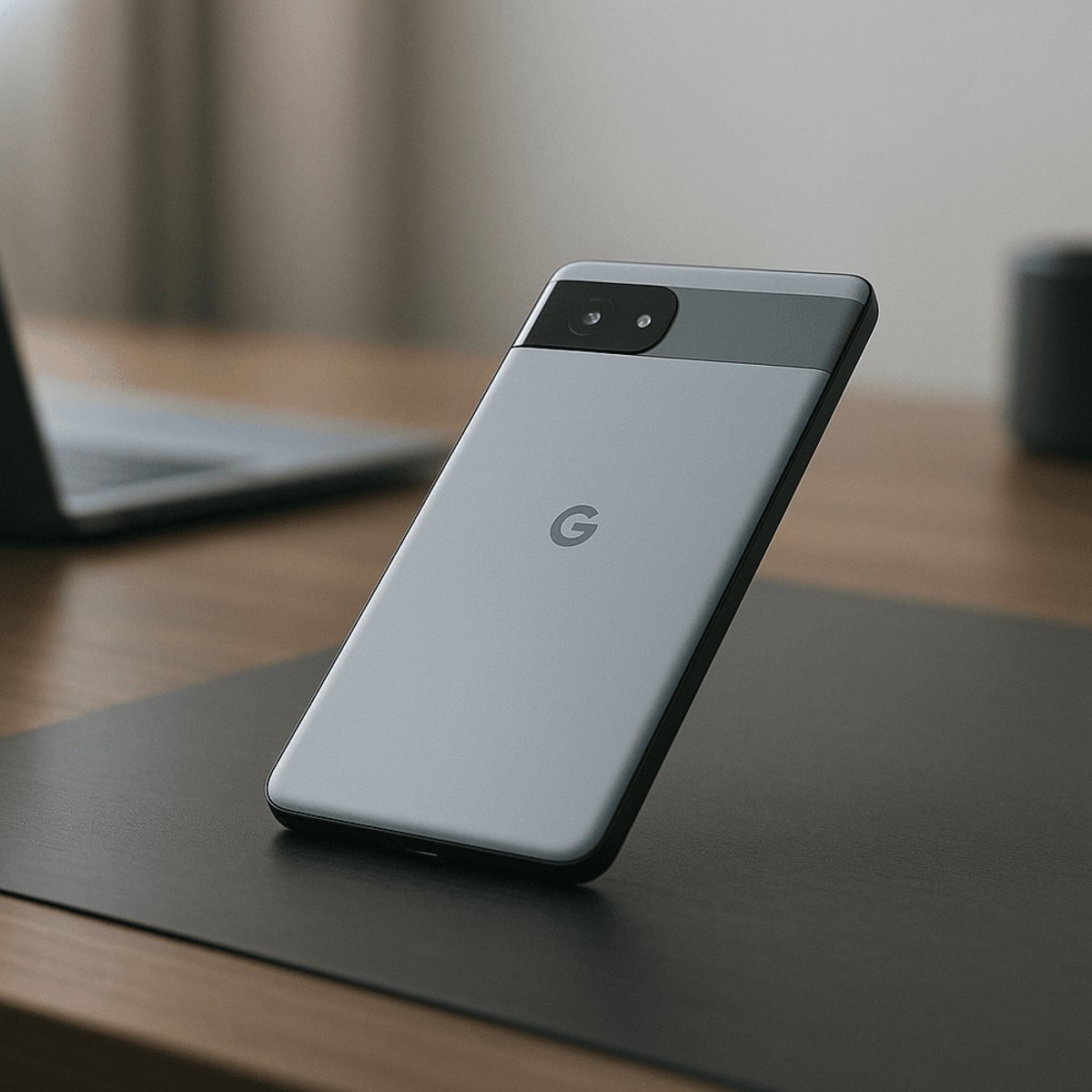
Google just released the Pixel 10a, and the biggest news isn't under the hood - it's on the back. The budget smartphone finally lays flat on tables, ditching the signature camera bump that's defined Pixel phones for years. But that design win might be the only major headline, as the company appears to be playing it safe with incremental upgrades in its most affordable smartphone line. For budget-conscious Android fans, the question is whether a flush back is enough to justify an upgrade.
Google is making a bet that smartphone design matters more than spec sheets, at least in the budget segment. The newly launched Pixel 10a arrives with one standout feature that has nothing to do with processing power or camera megapixels - it finally sits flush on a table.
The elimination of the camera bump marks a significant design departure for the Pixel line, which has featured increasingly prominent rear camera modules since the Pixel 6. According to TechCrunch's hands-on review, the phone can now lay completely flat, ending the wobble that's frustrated users typing on desk surfaces. It's a small quality-of-life improvement that signals Google's attention to everyday usability complaints.
But beyond the flattened profile, the Pixel 10a appears to be a modest refresh rather than a revolutionary update. The company hasn't packed the budget device with the kind of aggressive hardware upgrades that defined previous A-series launches. This conservative approach comes as the mid-range smartphone market grows increasingly competitive, with Samsung pushing its Galaxy A-series and Chinese manufacturers like OnePlus flooding the $300-500 segment with feature-rich alternatives.
The timing of Google's subdued approach is notable. While flagship Pixel models have embraced cutting-edge AI capabilities powered by custom Tensor chips, the 10a appears to prioritize cost control over computational prowess. This creates a wider gap between Google's premium and budget offerings at a time when competitors are democratizing advanced features down the price stack.
Industry analysts have been watching Google's A-series strategy closely. The Pixel 3a, launched in 2019, was credited with bringing Pixel camera quality to budget shoppers and briefly boosted Google's single-digit smartphone market share. But sustaining momentum has proven difficult. According to Counterpoint Research data, Google captured just 4% of the North American smartphone market in 2025, trailing far behind Apple and Samsung.
The camera bump elimination itself required engineering tradeoffs. Smartphone makers have relied on protruding modules to house increasingly large camera sensors and complex lens arrays. By going flush, Google likely compromised on sensor size or optical capabilities - though the company hasn't released detailed camera specs yet. This design choice suggests Google believes its computational photography algorithms can compensate for any hardware limitations, a bet that's paid off in previous Pixel generations.
For consumers, the Pixel 10a represents Google's continued commitment to the budget segment, even as the company pours resources into AI and premium devices. The phone will likely appeal to existing Pixel fans seeking an affordable upgrade and Android purists who prefer Google's clean software experience over heavily customized alternatives.
But in a market where budget phones increasingly offer flagship features at fraction of prices, a flush design might not be enough to move the needle. Motorola, Nokia, and Chinese brands continue to pack impressive specs into sub-$400 devices, making Google's incremental approach feel conservative.
The Pixel 10a's reception will test whether Google's brand strength and software ecosystem can overcome modest hardware in the brutally competitive budget tier. With smartphone replacement cycles stretching longer and economic pressure on consumer spending, every detail matters - even something as simple as laying flat on a table.
Google's Pixel 10a makes a clear statement about priorities - sometimes design polish matters more than spec sheet bragging rights. The flat back is a genuine improvement for daily usability, ending years of wobbly typing experiences. But in a budget market where competitors are pushing boundaries with aggressive hardware at low prices, Google's conservative upgrade strategy feels risky. The company is betting its software experience and brand equity can carry a modest hardware refresh, a wager that'll be tested as budget-conscious shoppers weigh options in an increasingly crowded field. For Google, the real question isn't whether the 10a can lay flat - it's whether the phone can stand out.