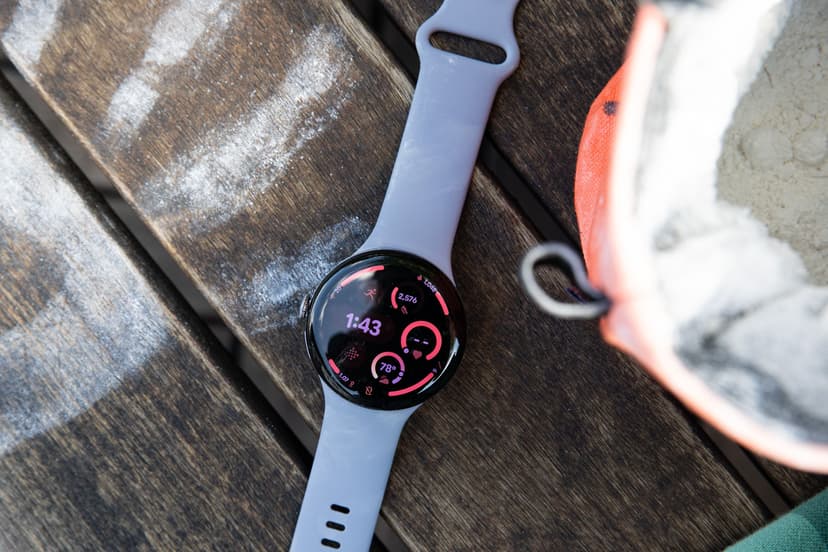
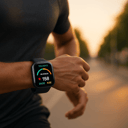
Google just dropped two major AI updates for the Pixel Watch 4 that could change how we interact with wearables. The company's introducing one-handed gestures like double pinch and wrist turn, plus faster Smart Replies powered by its on-device Gemma language model. These aren't just convenience features - they represent Google's push to make AI-powered wearables truly hands-free.
Google is betting big on gesture control as the future of wearable interaction. The company's latest Pixel Watch 4 update introduces what Senior Product Manager Munjal Shah calls "the next level" of convenience - one-handed gestures that eliminate the need to touch your screen entirely.
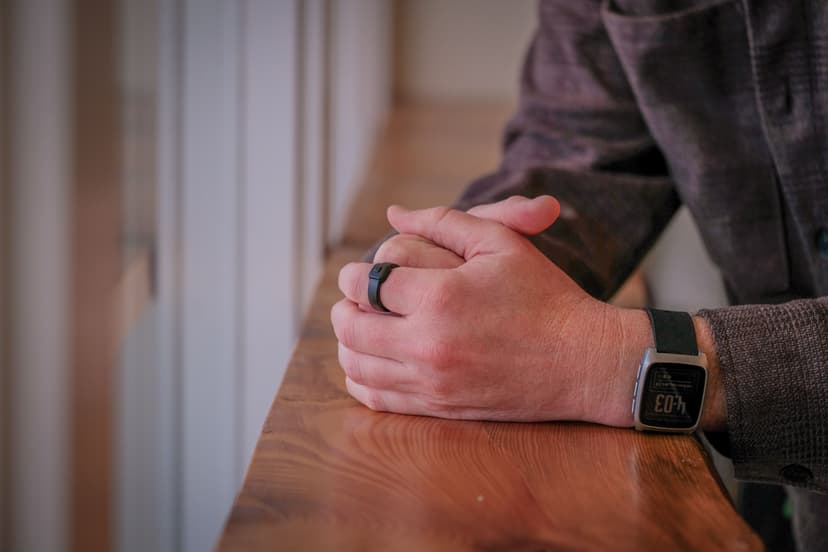
The new gesture system builds on Google's earlier Raise to Talk feature, which became popular for quick Gemini conversations. Now users can double pinch to scroll through notifications, dismiss alerts, snooze alarms, manage timers, pause music, select smart replies, and even answer phone calls. A simple wrist turn activates similar controls, with on-screen hints appearing when gestures are available.
What makes this significant isn't just the convenience factor - it's Google's technical approach. The company is processing these gestures entirely on-device, reducing latency and ensuring they work even when your phone isn't nearby. This represents a shift toward truly independent wearable computing that doesn't rely on constant phone tethering.
The Smart Replies upgrade might be even more impressive from a technical standpoint. Google's on-device Gemma language model now powers message responses on Pixel Watch 3 and newer devices. According to Google's internal testing, this new model delivers responses twice as fast while using nearly three times less memory than the previous generation.
"In a first for smartwatches," Shah noted, Pixel Watch users can now generate contextual replies to Google Messages without any phone connection. The implications extend beyond just messaging - this on-device AI capability could eventually power everything from email responses to calendar scheduling directly from the wrist.
The timing of these updates isn't coincidental. As the holiday season approaches, Google is positioning the Pixel Watch as a premium alternative to the Apple Watch, which still requires iPhone connectivity for many AI features. Google's bet is that truly independent AI processing will differentiate its wearables in an increasingly crowded market.
The gesture controls particularly target scenarios where traditional touch interaction fails - wearing winter gloves, carrying shopping bags, cooking, or walking pets. These aren't edge cases for most users; they're daily situations where current smartwatch interfaces break down.
From a competitive standpoint, this puts pressure on Apple and Samsung to accelerate their own on-device AI capabilities. Apple's Watch Ultra still relies heavily on iPhone processing for Siri requests, while Samsung's Galaxy Watch requires phone connectivity for many AI features.
The broader wearables market is watching closely. According to recent Counterpoint Research data, global smartwatch shipments grew 12% year-over-year in Q3 2024, with AI features becoming a key differentiator. Google's approach of embedding full language models directly into wearable hardware could set the standard for the next generation of smart devices.
For developers, Google's opening up these gesture APIs could create new categories of wearable apps. Fitness applications could integrate gesture controls for workout tracking, while productivity apps might enable hands-free note-taking or task management.
The updates are rolling out now to existing Pixel Watch 4 owners, with Pixel Watch 3 users getting the Smart Replies upgrade. Google hasn't announced plans to backport gesture controls to older models, suggesting the feature requires the Watch 4's newer processing capabilities.
Google's Pixel Watch 4 updates signal a clear direction for wearable computing - toward truly independent, AI-powered devices that work without constant phone connectivity. The combination of gesture controls and on-device language processing could finally deliver the hands-free smartwatch experience users have been waiting for. As competitors scramble to match these capabilities, Google's early bet on wearable AI might just pay off in the premium market segment.