GoPro is slashing nearly a quarter of its workforce - 145 employees - as the once-dominant action camera maker struggles to return to profitability. The cuts, disclosed in an SEC filing today, mark the third round of layoffs since 2024 and signal deepening trouble for a company that's watched its market erode to smartphone cameras and cheaper rivals. With revenues declining and competition intensifying, GoPro is betting that a leaner operation can salvage what remains of its action camera empire.
GoPro just pulled the trigger on its most aggressive cost-cutting yet. The action camera pioneer revealed in a Form 8-K filing that it's eliminating 145 positions - roughly 23% of its 631 employees - in a desperate bid to stop the bleeding and return to profitability. The restructuring will hit during Q2 2026, with most pink slips delivered by year-end.
The math is brutal. GoPro expects to shell out as much as $15 million in severance payments and healthcare benefits just to execute these cuts. That's a significant hit for a company already struggling with declining revenues and increased competition from both smartphone makers and budget action camera alternatives flooding the market.
This isn't GoPro's first rodeo with layoffs. The company previously cut workers in two separate rounds during 2024, a clear signal that the company's turnaround efforts haven't gained traction. Each restructuring was supposed to be the last, each promised a path back to profitability. Yet here we are again, with the cuts growing more severe.
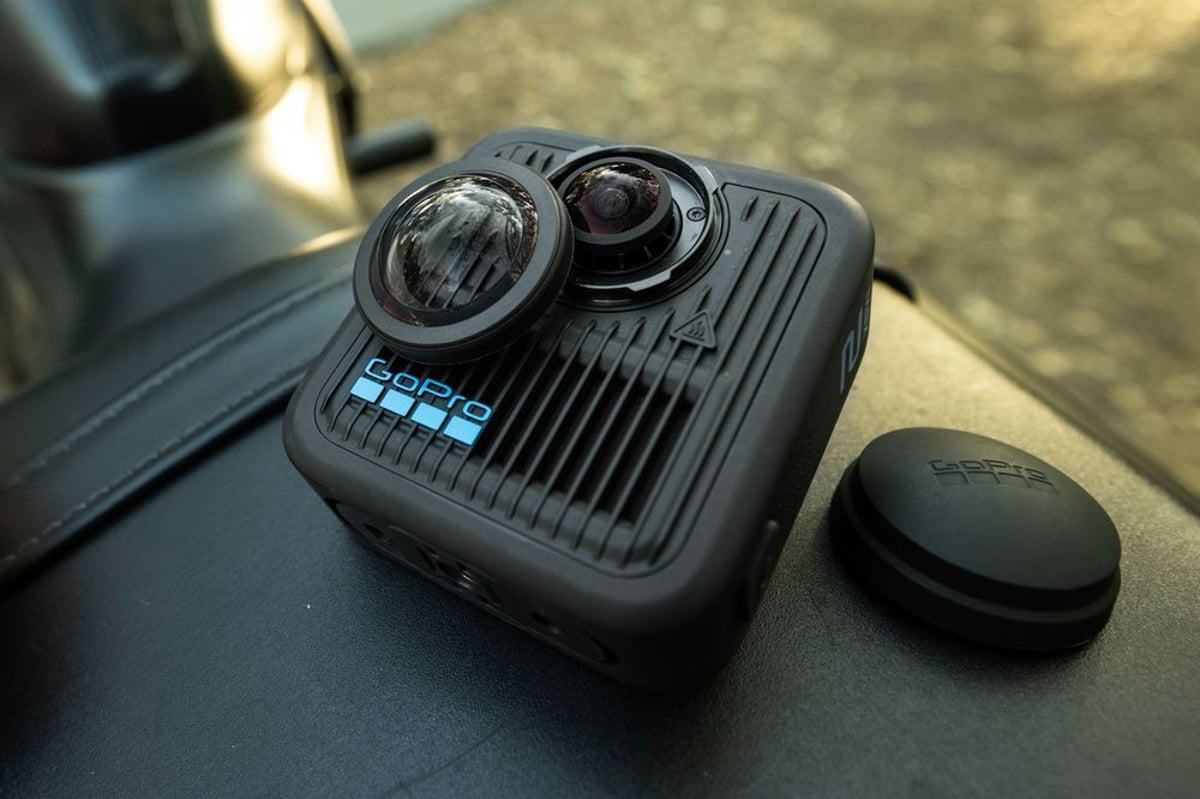
The timing is particularly rough coming just months after GoPro launched its Max2 camera in September 2025. The flagship product was supposed to reinvigorate the brand, but apparently hasn't delivered the sales bump the company desperately needed. It's a stark reminder that even well-executed product launches can't overcome fundamental market shifts.
What's killing GoPro isn't a lack of innovation - it's commoditization. Smartphone cameras have gotten scary good, especially for casual action shots. Apple's iPhone lineup now shoots 4K video with impressive stabilization. Samsung and Google aren't far behind. For most consumers, carrying a dedicated action camera has become a harder sell when their phone already lives in their pocket.
Meanwhile, the low end of the market has been overrun by Chinese manufacturers offering action cameras at a fraction of GoPro's price point. Sure, they don't match GoPro's quality or ecosystem, but they're good enough for weekend warriors who don't want to drop $400 on a camera they'll use twice a year.
The consumer hardware graveyard is littered with companies that dominated a category only to watch it evaporate. Fitbit eventually sold to Google after smartwatches ate its lunch. GoPro is fighting to avoid becoming another cautionary tale about what happens when your specialized device gets absorbed into the everything-device everyone already owns.
GoPro had expected to return to profitability - that much is clear from the company's previous guidance. But declining revenues have forced management to take increasingly drastic measures. The 23% workforce reduction is about matching the company's cost structure to its new, smaller reality. It's a painful acknowledgment that GoPro's addressable market has shrunk, possibly permanently.
The broader implications extend beyond one struggling camera maker. GoPro's troubles reflect a fundamental challenge facing consumer hardware companies: how do you survive when smartphones keep absorbing your use case? It's a question that drone makers, dedicated GPS device manufacturers, and point-and-shoot camera companies have all faced. Most didn't find good answers.
For the 145 employees losing their jobs, the corporate strategy talk offers little comfort. They're casualties of a market transition that's been years in the making, accelerating as smartphone computational photography keeps improving and consumer budgets tighten.
The restructuring should save GoPro significant operating expenses going forward, assuming the company can maintain product development and customer support with a skeleton crew. That's a big if. You can only cut so deep before you lose the institutional knowledge and talent needed to compete, even in a shrinking market.
GoPro's 23% workforce slash is more than cost-cutting - it's a recognition that the action camera market has fundamentally changed. As smartphones absorb more specialized use cases and budget competitors flood the low end, GoPro is shrinking to survive. The question now isn't whether the company can return to its former glory, but whether it can carve out a sustainable niche serving hardcore enthusiasts and professionals. With three rounds of layoffs in two years and revenues still declining, the runway is getting shorter. What happens next will either validate the restructuring strategy or become another case study in how quickly dominant hardware players can fade when the market moves on.