Meta just dropped the hammer on teen Instagram content with a sweeping PG-13 overhaul that affects millions of users under 18. The company's borrowing Hollywood's playbook to block everything from swear words to risky stunts, fundamentally changing how teens experience the platform. It's rolling out now across four countries and represents Meta's most aggressive youth safety push yet.
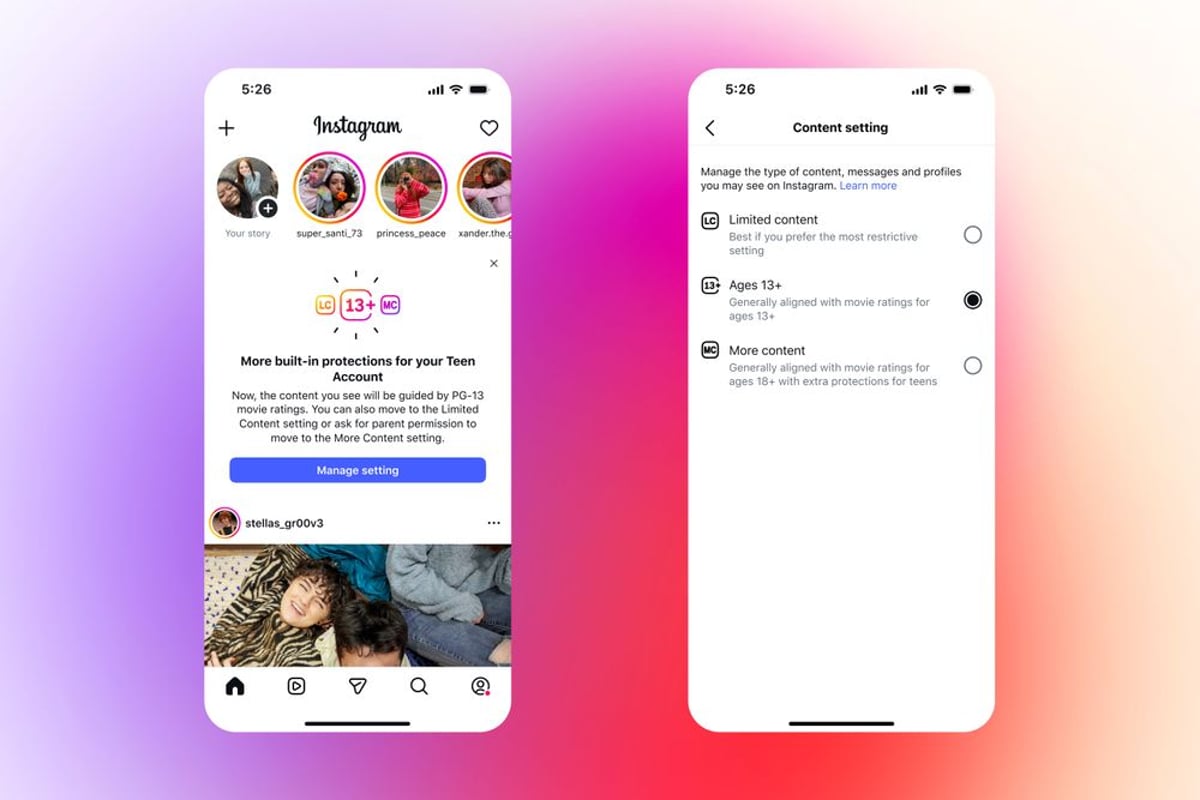
Instagram just flipped the script on teen safety with a movie theater approach that's about to change everything for users under 18. The platform announced Tuesday it's implementing a PG-13 content rating system that goes way beyond its existing restrictions, effectively treating teen accounts like they're watching a supervised movie at the local cinema.
The timing couldn't be more pointed. As lawmakers pile pressure on Meta over child safety, the company's doubling down with restrictions that'll make some parents cheer and plenty of teens groan. "Just like you might see some suggestive content or hear some strong language in a PG-13 movie, teens may occasionally see something like that on Instagram - but we're going to keep doing all we can to keep those instances as rare as possible," the company said in Tuesday's announcement.
But here's where it gets interesting. This isn't just about hiding risqué posts anymore. Instagram is now blocking entire creator accounts that repeatedly post adult content, and teens who already follow these accounts will suddenly find themselves cut off. No grandfathering, no warning period - just a digital wall between them and creators they've been following for months or years.
The rollout builds on Meta's teen account system that launched last year, which already put all users under 18 into private accounts with features like nighttime notification silencing and stranger DM blocking. That initial push applied restrictions previously limited to kids under 16 to the broader teen population.
Now the restrictions are getting teeth. The new system will flag profiles based on usernames, bios, or links that point toward adult sites like OnlyFans or online liquor stores. It'll also block search results for terms like "alcohol" or "gore" - a move that eliminates some of the workarounds teens have used to find restricted content.
"By and large, many of our policies were already generally in line with or actually went further than a PG-13 standard," Liz Arcamona, Meta's director of public policy, told reporters during a press briefing. "And where they go further today, they will continue to do so going forward."
The parent controls are where things get really granular. Instagram is introducing a "Limited Content" option that goes beyond PG-13 to essentially create a G-rated experience. Teens under this setting can't see, leave, or receive comments on posts, and starting next year, it'll even restrict their AI conversations. On the flip side, there's a "More Content" option that lets parents ease up slightly on the baseline restrictions.
Creators caught in the crosshairs aren't left completely in the dark. Instagram will notify them if they're flagged as 18+ and provide ways to appeal, like deleting specific posts that triggered the rating. But the burden of proof is on them to clean up their content if they want teen followers back.
The geographic rollout tells its own story about regulatory pressure. Instagram is starting with the US, UK, Australia, and Canada - markets where child safety legislation is either passed or pending. The company plans to finish the four-country launch by year-end before going global, a timeline that aligns suspiciously well with political calendars.
Industry watchers see this as Meta's attempt to get ahead of potential legislation rather than react to it. The company's been facing heat from lawmakers on both sides of the Atlantic over teen mental health concerns, and proactive moves like this could help deflect calls for more aggressive regulation.
The ripple effects are already starting. Creator economy experts predict this could push more adult-oriented influencers toward platforms like TikTok or YouTube, where teen restrictions aren't as comprehensive. That migration could reshape where brands allocate their social media budgets, especially for products that appeal to older teens.
Meta isn't stopping with Instagram either. The company confirmed it's planning similar "age-appropriate content protections" for Facebook, though details remain scarce. Given Facebook's older user base, those restrictions might look different, but the underlying strategy is clear: make teen safety such a priority that regulators have less ammunition for new laws.
Meta's PG-13 gambit represents a calculated bet that aggressive self-regulation can ward off even stricter government intervention. By borrowing Hollywood's tried-and-true rating system, the company's making teen safety tangible for parents while potentially reshaping the creator economy. The real test comes when millions of teens suddenly lose access to creators they follow and parents start wrestling with new control options. Whether this prevents regulatory backlash or just delays it will depend on how well the system works in practice - and whether lawmakers buy Meta's argument that voluntary restrictions are enough.