Kaltura just made its boldest bet on the future of enterprise video, acquiring conversational avatar startup eSelf for $27 million. The deal brings aboard Alan Bekker, who previously built and sold the AI technology behind Snap's conversational features, signaling a major pivot from traditional video streaming to interactive AI-powered experiences that could reshape how businesses engage customers and employees.
Kaltura isn't just buying another AI startup - it's acquiring the architect behind some of the most sophisticated conversational AI in consumer tech. The $27 million deal brings Alan Bekker, whose previous company Voca powered Snap's AI capabilities before being acquired in 2020, directly into Kaltura's fold to lead what CEO Ron Yekutiel calls a fundamental transformation of enterprise video.
The timing couldn't be more strategic. While competitors focus on basic video streaming and management, Kaltura is betting that the future belongs to interactive, AI-driven experiences. "We started with video, then moved to personalized video, and now we're adding human-like capabilities - faces, eyes, mouths, ears - to make our AI agents conversational and expressive," Yekutiel told TechCrunch.
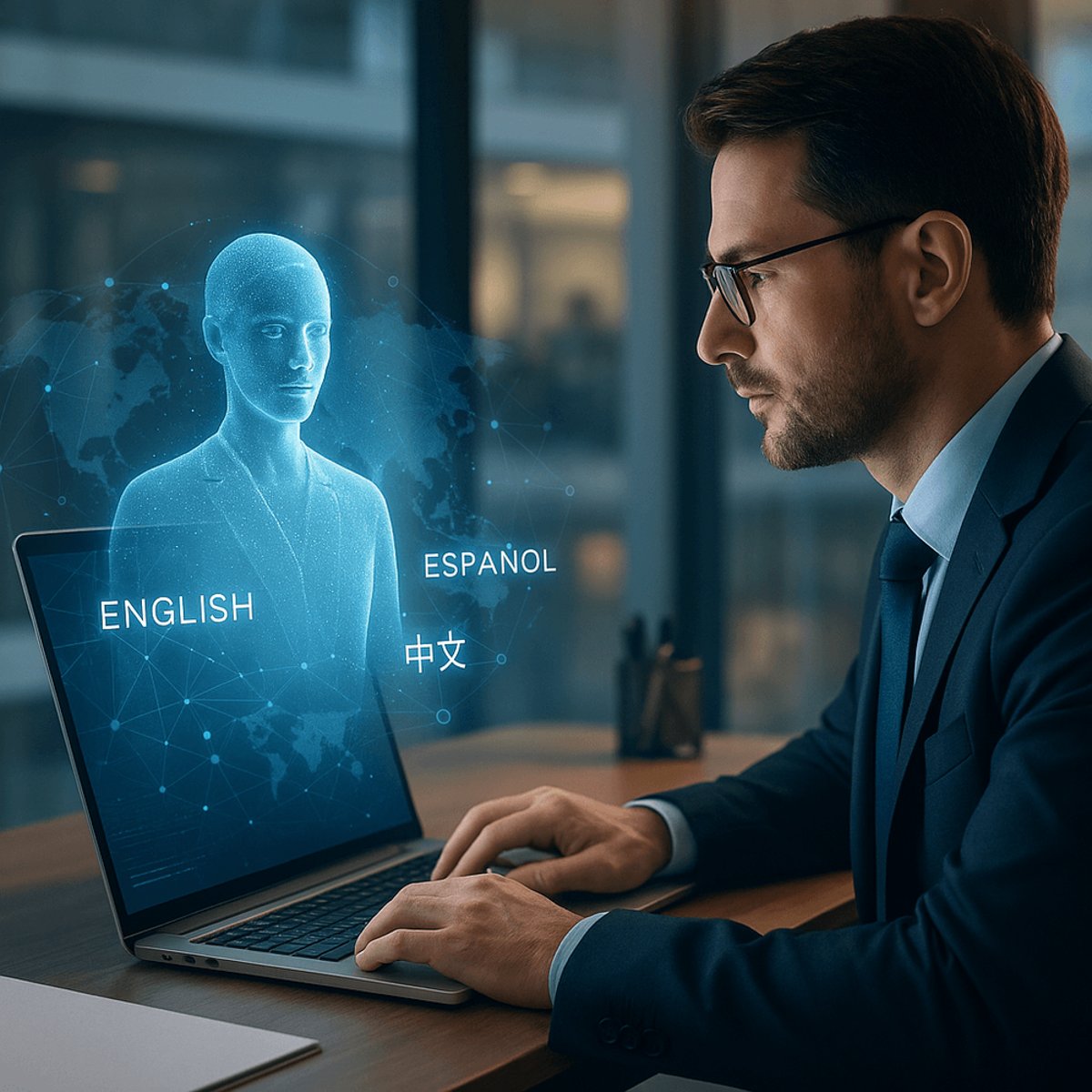
eSelf's technology goes far beyond typical avatar solutions. The platform supports over 30 languages and includes what Bekker calls "screen understanding" - allowing avatars to see and respond to what's displayed on a user's screen in real time. This capability, combined with low-latency speech recognition and speech-to-video generation, creates genuinely interactive experiences rather than pre-recorded responses.
For Kaltura's 800+ enterprise customers - including Amazon, Oracle, Salesforce, and IBM - this represents a massive upgrade in how they can engage users. Instead of static training videos or one-way webinars, companies can now deploy conversational agents that adapt to individual needs in real time.
The acquisition addresses a critical gap in enterprise AI. While most avatar companies offer just a "face," Yekutiel explained that Kaltura now delivers "the full workflow - avatar, intelligence, and enterprise-connected knowledge." This integration means avatars can access company databases, understand context, and provide personalized responses based on each user's role and needs.
eSelf's 15-person team of AI experts will join Kaltura to oversee the integration, with plans to launch standalone agents for sales, marketing, customer support, and training applications. Target sectors include education, healthcare, financial services, and pharmaceuticals - areas where personalized, knowledgeable interactions drive measurable business outcomes.
The deal also highlights Kaltura's financial strength in a challenging market. The Nasdaq-listed company generates around $180 million in revenue and maintains profitability on an adjusted EBITDA basis, giving it acquisition firepower while competitors struggle with funding. This marks Kaltura's fourth acquisition, following Tvinci (2014), Rapt Media (2018), and Newrow (2020).
Yekutiel dismissed recent media reports suggesting Kaltura was exploring a sale at $400-500 million valuation, calling such speculation premature. "We never got close to a transaction like the ones being reported," he said, pointing to continued acquisitions as evidence of the company's growth strategy.
The competitive implications are significant. While companies like Synthesia and D-ID focus on video generation, Kaltura is positioned to offer true conversational experiences integrated with enterprise workflows. eSelf's recent $4.5 million funding round in December 2024 demonstrated strong investor confidence in Bekker's vision.
This acquisition signals a broader shift in enterprise software from static content delivery to dynamic, AI-powered interactions. Kaltura's bet on conversational avatars could redefine how businesses train employees, support customers, and deliver personalized experiences at scale. With proven AI leadership from the Snap ecosystem and a platform serving major enterprises, the company is positioning itself at the intersection of video, AI, and business outcomes - exactly where the next wave of enterprise value will be created.