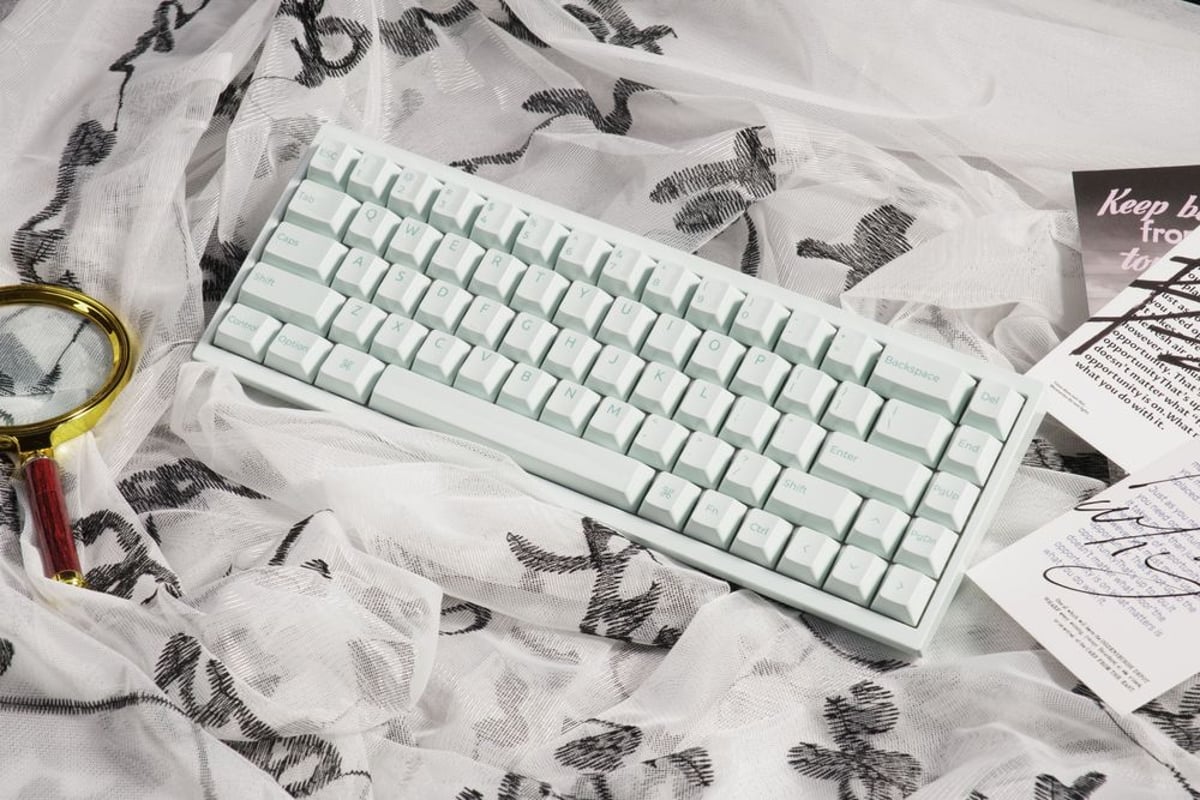
Keychron just broke new ground in mechanical keyboards with the Q16 HE 8K, the first fully ceramic keyboard to hit the market. Launching on Kickstarter at $229.99, this isn't just about aesthetics - the ceramic construction promises a completely different typing feel and sound profile that could reshape how enthusiasts think about premium keyboard materials.
Keychron is betting big on ceramic keyboards becoming the next frontier for mechanical keyboard enthusiasts. The Q16 HE 8K represents more than just a material experiment - it's a complete reimagining of what premium keyboards can be. While companies like Cerakey have offered ceramic keycaps before, nobody's gone all-in with a full ceramic body until now.
The timing feels right for this kind of material innovation. High-end keyboard enthusiasts have been pushing the boundaries of premium materials for years, from aluminum cases to exotic switch materials. But ceramic brings something entirely different to the table. According to Keychron's press release, the kiln-fired ceramic provides a "distinct tactile and auditory profile unlike metal or plastic" - essentially promising a typing experience you can't get anywhere else.
The Kickstarter launch strategy makes sense for a product this experimental. At $229.99 for early backers, the Q16 HE 8K sits in premium territory but isn't completely out of reach for serious enthusiasts. The November 2025 delivery timeline gives Keychron plenty of runway to perfect the manufacturing process, which is crucial when you're dealing with ceramic components that need to be both durable and precise.
What's particularly interesting is how Keychron paired the ceramic construction with cutting-edge switch technology. The custom Ultra-Fast Lime switches use Tunneling Magnetoresistance (TMR) technology, which the company claims offers faster and more precise inputs than traditional Hall effect switches. Combined with an 8,000Hz polling rate and adjustable actuation sensitivity down to 0.01mm, this keyboard is clearly targeting competitive gamers who want both premium materials and elite performance.
The ceramic material brings both advantages and trade-offs that potential buyers need to consider. Keychron describes the ceramic as durable and scratch-resistant, which should keep the keyboard looking pristine even after heavy use. But as The Verge points out, this probably isn't ideal for users who need portability - ceramic keyboards are inherently heavier and more fragile than their aluminum or plastic counterparts.
"Great keyboards should feel fast, sound great, and look like objects worth keeping," Keychron operations head Paul Tan told The Verge. "With Q16 HE 8K, we explored ceramic for everyday use, then matched it with magnetic sensing and 8K performance so users get both a new material experience and elite speed."
The competitive landscape for premium keyboards has been heating up, with brands like Razer, Logitech, and boutique manufacturers all pushing into higher-end materials and features. Keychron's ceramic gambit represents a different kind of differentiation - instead of competing purely on specs or RGB lighting, they're betting that material innovation can create an entirely new category.
The 65 percent layout keeps things practical while the blue and mint white color options show off the ceramic's natural finish. The glazed ceramic sheen is apparently more noticeable on the blue variant, which could be a deciding factor for buyers who want their keyboard to make a visual statement.
For the mechanical keyboard community, this launch represents something bigger than just another product release. If ceramic keyboards catch on, we could see a wave of material experimentation that pushes the entire industry in new directions. The question is whether enough enthusiasts are willing to pay premium prices and accept the trade-offs that come with ceramic construction.
Keychron's ceramic keyboard experiment could either be a niche curiosity or the start of a new category in premium mechanical keyboards. The combination of innovative materials with high-performance gaming features shows the company isn't just chasing aesthetics - they're trying to create something genuinely different. Whether ceramic construction becomes the next big thing in keyboards will depend on how well enthusiasts respond to the unique typing experience and whether they're willing to accept the portability trade-offs for the premium feel and durability benefits.