Walmart just turned the smart home market upside down. The retail giant launched its first security cameras today - a $23 indoor camera and $50 video doorbell built in deep partnership with Google to run Gemini AI features. At these prices, they're undercutting established players while offering premium AI capabilities that were previously locked behind expensive ecosystem walls.
Walmart just dropped a bombshell in the smart home space. The retail giant's first-ever security cameras launch today, and they're not just another budget knockoff - they're the result of what Google calls a 'very deep collaboration' to bring Gemini AI to mainstream consumers at unprecedented prices.
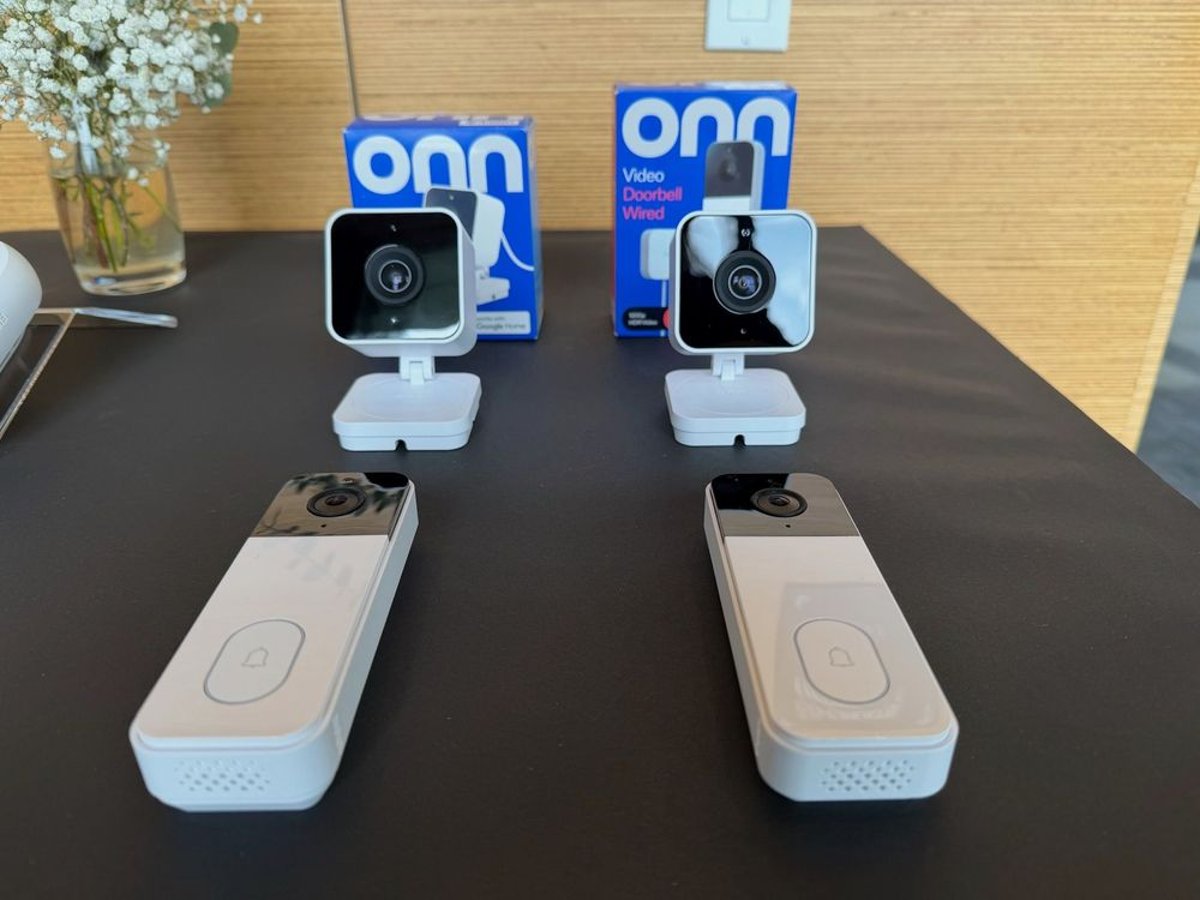
The $22.96 Onn Indoor camera and $49.86 Onn Video Doorbell hit Walmart.com today, and the specs are legitimately impressive for the price point. We're talking 1080p HDR video at 30fps for the indoor model, while the doorbell delivers 1600x1200 HDR with a 165-degree field of view that rivals premium offerings.
But here's where it gets interesting - these aren't generic cameras with Google branding slapped on. 'We don't want to constrain Gemini to just one brand, one OEM, one form factor, one price point,' Google Home's Anish Kattukaran told The Verge. 'So we're going to work with a bunch of different partners. Walmart's our first. It was a very deep collaboration.'
The partnership runs deeper than typical white-label deals. These cameras integrate natively with the Google Home app and tap directly into Google's new Gemini for Home features. With a Google Home Premium subscription ($10-20 monthly), users get AI-powered text descriptions of what the camera sees and natural language search through recorded footage.
Walmart's timing couldn't be better. The company's spokesperson Leigh Stidham confirmed that even without a subscription, the cameras offer three hours of free recorded event history. That's a crucial differentiator when budget-conscious consumers are weighing monthly fees against hardware costs.
The market impact is immediate and substantial. At $23, the indoor camera undercuts virtually every competitor while delivering specs that mirror Google's previous Nest lineup. The $50 doorbell directly challenges Amazon's Blink budget models, but with more sophisticated AI integration baked in.
Google announced last year it would open its Home APIs to third-party manufacturers, but Walmart represents the first major retail execution of that strategy. The collaboration signals Google's recognition that premium AI features need accessible hardware to reach mainstream adoption.
The technical specs tell the story of serious engineering investment. The indoor camera packs night vision, two-way audio, digital zoom, and a 130-degree diagonal field of view. The doorbell steps up with IR night vision, maintains compatibility with existing chimes, and delivers that crucial 4:3 aspect ratio that captures packages at your doorstep.
What's particularly striking is how this partnership reshapes competitive dynamics. Amazon has dominated budget security cameras through its Blink brand, while premium players like Nest commanded higher-end segments. Walmart's entry with Google backing creates a new category - premium AI capabilities at mass market pricing.
The subscription model remains Google's long-term play. While basic functionality works without monthly fees, advanced Gemini features require Google Home Premium. That $10-20 monthly revenue stream becomes crucial as hardware margins compress in this new price war.
Industry watchers should pay attention to what comes next. Google's blog post today outlined how other manufacturers can tap into the Gemini platform, suggesting this Walmart launch is just the opening move. 'We're going to work with a bunch of different partners,' Kattukaran emphasized, hinting at broader retail collaborations ahead.
For consumers, the calculation is straightforward - premium AI features previously locked behind $200+ devices are now available at impulse-purchase pricing. But there's a trade-off: these cameras only work within Google's ecosystem, limiting flexibility for users who prefer platform independence or already invested in competing systems.
This isn't just another budget camera launch - it's a strategic pivot that could reshape how AI reaches mainstream consumers. By partnering with America's largest retailer, Google found a way to democratize premium smart home features without cannibalizing its own higher-end Nest products. For Walmart, it's a play for the lucrative smart home category with Google's AI as the differentiator. The real test will be whether other major retailers follow suit, potentially fragmenting the smart home market along retail partnership lines rather than traditional brand loyalties.