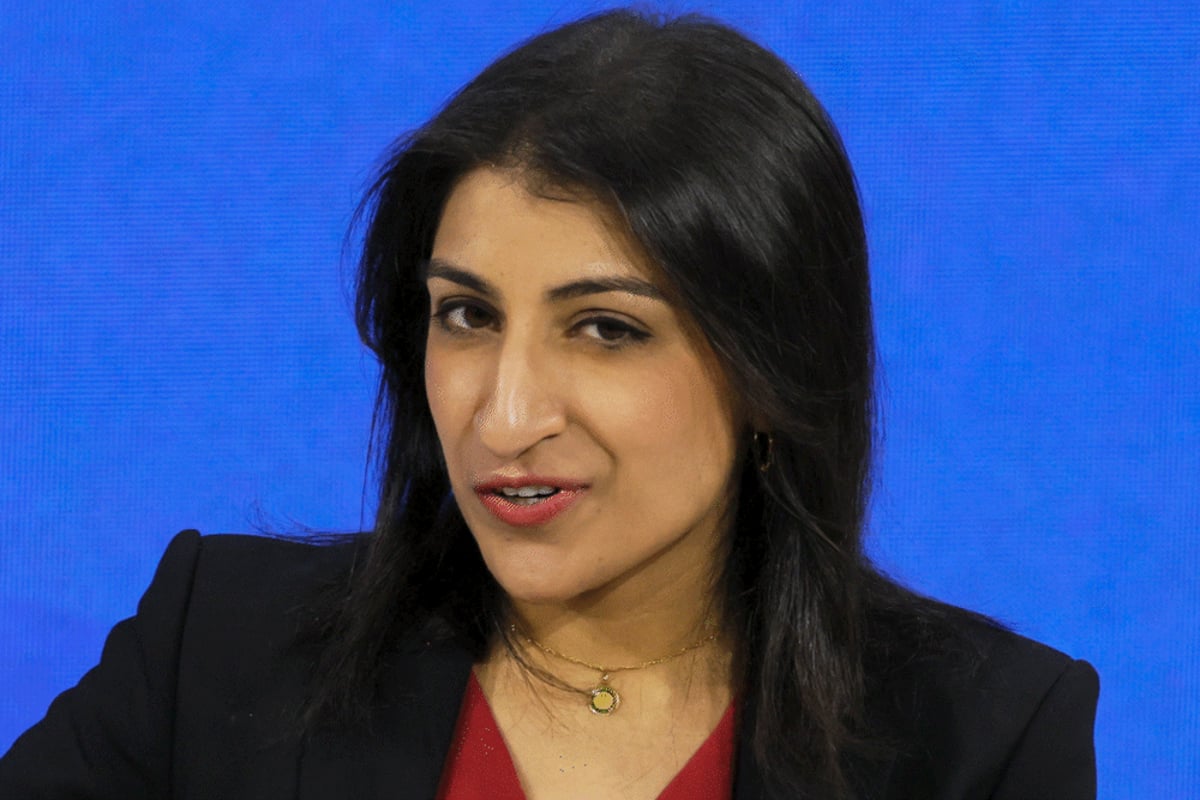
Former FTC Chair Lina Khan just got the last laugh. Her aggressive 2022 challenge to block Meta's $400 million acquisition of VR fitness studio Within - widely criticized as regulatory overreach at the time - now looks remarkably prescient as Meta abandons its metaverse ambitions and shutters the very app it fought so hard to acquire. The regulatory vindication arrives as Meta pulls the plug on Supernatural, proving Khan's concerns about monopolistic behavior in nascent markets weren't paranoia but prophecy.
The deal with it meme couldn't be more fitting. In 2021, when Meta announced plans to acquire Within - the independent studio behind popular VR fitness app Supernatural - the metaverse looked inevitable. Mark Zuckerberg had just renamed his entire company, losing billions chasing virtual reality's promise while releasing upgraded Quest 2 headsets and the higher-end Quest Pro.
But Lina Khan saw something else. The then-FTC chair filed suit to block the roughly $400 million deal, arguing Meta was systematically buying potential competitors in VR fitness rather than competing on its own merits. Tech industry observers and Meta defenders dismissed the challenge as regulatory overreach - how could you block an acquisition in a market that barely existed?
Fast forward to today, and Khan's foresight looks uncomfortably accurate. Meta is now shutting down Supernatural, the very app it spent hundreds of millions to acquire and years in court defending. The closure comes as the company dramatically retreats from its metaverse bet, vinddicating exactly the kind of forward-looking antitrust enforcement Khan championed.
The FTC's original complaint laid out a pattern. Meta had already acquired multiple VR studios including Beat Games (maker of Beat Saber) and was systematically consolidating the nascent virtual reality market. Khan argued the company was leveraging its dominant position in VR hardware - Quest headsets controlled an estimated 80% of the consumer VR market - to corner adjacent software markets before real competition could emerge.
"This acquisition poses a reasonable probability of eliminating both present and future competition," the FTC stated in its original complaint. The agency specifically warned that Meta's strategy of "buying its way to the top" would harm innovation and consumer choice in VR fitness apps, an emerging category with significant growth potential.
Meta fought back hard. The company argued it needed Within to compete effectively, that the VR market was too small and speculative for traditional antitrust analysis, and that blocking the deal would actually harm innovation by preventing investment in nascent technologies. A federal judge ultimately sided with Meta in early 2023, allowing the acquisition to proceed.
That legal victory now rings hollow. Less than three years after completing the purchase, Meta is abandoning the entire product category. The Supernatural shutdown represents more than just a failed bet - it validates Khan's core thesis that Meta was accumulating VR assets not to build a sustainable ecosystem but to dominate a speculative market that might never materialize.
The timing is particularly pointed. Khan was recently replaced as FTC chair as the agency shifts to a more tech-friendly posture under new leadership. Her aggressive approach to tech mergers - including ongoing battles with Amazon and challenges to Microsoft's Activision acquisition - drew criticism from industry groups and some economists who argued she was overstepping the FTC's mandate.
But the Meta-Within case provides empirical evidence for her approach. Traditional antitrust analysis focuses on existing market share and consumer harm in established industries. Khan argued that framework fails for technology markets where today's acquisition can foreclose tomorrow's competition before it ever emerges.
"The biggest competitive threat to a dominant tech platform isn't another big company - it's the startup that doesn't exist yet," Khan explained in previous congressional testimony. The Within case proves her point. By the time Meta shutters Supernatural, the independent VR fitness market Khan sought to protect has already been shaped by Meta's dominance.
Industry insiders are taking notice. "Lina Khan just got a massive 'I told you so' moment," one venture capitalist told reporters, speaking anonymously. "Every VC who funded a VR startup only to see it get acquired and killed is going to point to this case."
The regulatory implications extend beyond VR. Khan's FTC has challenged multiple tech acquisitions using similar logic - arguing that dominant platforms systematically acquire emerging competitors to maintain market power. Amazon's purchase of MGM, Microsoft's Activision deal, and various Google acquisitions all faced heightened scrutiny under this framework.
Critics continue arguing this approach goes too far, that blocking acquisitions reduces startup exit opportunities and venture investment. But the Supernatural shutdown provides a counterpoint - what's the value of an exit if the acquirer simply shutters your product?
For Meta, the episode represents another costly misstep in its metaverse pivot. The company spent $400 million on Within, untold millions more on legal fees fighting the FTC, and years of management attention - all for an app it's now closing. Reality Labs, Meta's VR division, has lost over $40 billion since 2021 with little to show for it.
The broader lesson about antitrust enforcement in tech markets is harder to dismiss. Khan's willingness to challenge acquisitions based on potential future harm - rather than just current market dynamics - may have lost in court, but it's being vindicated by events. As tech platforms continue acquiring startups at a blistering pace, the Within case offers a template for how those deals can eliminate competition even when they fail commercially.
What happens next matters. With Khan out at the FTC, will the agency continue challenging speculative tech acquisitions? Or will it revert to traditional antitrust analysis that Khan argued is obsolete for digital markets? The Meta-Within case won't be the last time regulators face these questions, but it might be the clearest example of what's at stake.
The Meta-Within saga isn't just a story about one failed acquisition or abandoned app. It's a test case for how antitrust enforcement should work when tech giants buy their way into emerging markets. Khan lost the legal battle but won the argument - Meta's decision to shutter Supernatural proves her concerns about monopolistic acquisition strategies weren't theoretical but prophetic. As regulators worldwide grapple with how to police Big Tech's insatiable appetite for acquisitions, the uncomfortable vindication of Khan's approach suggests the FTC's aggressive stance may have been ahead of its time rather than out of bounds. The only question now is whether her successors will learn the lesson.