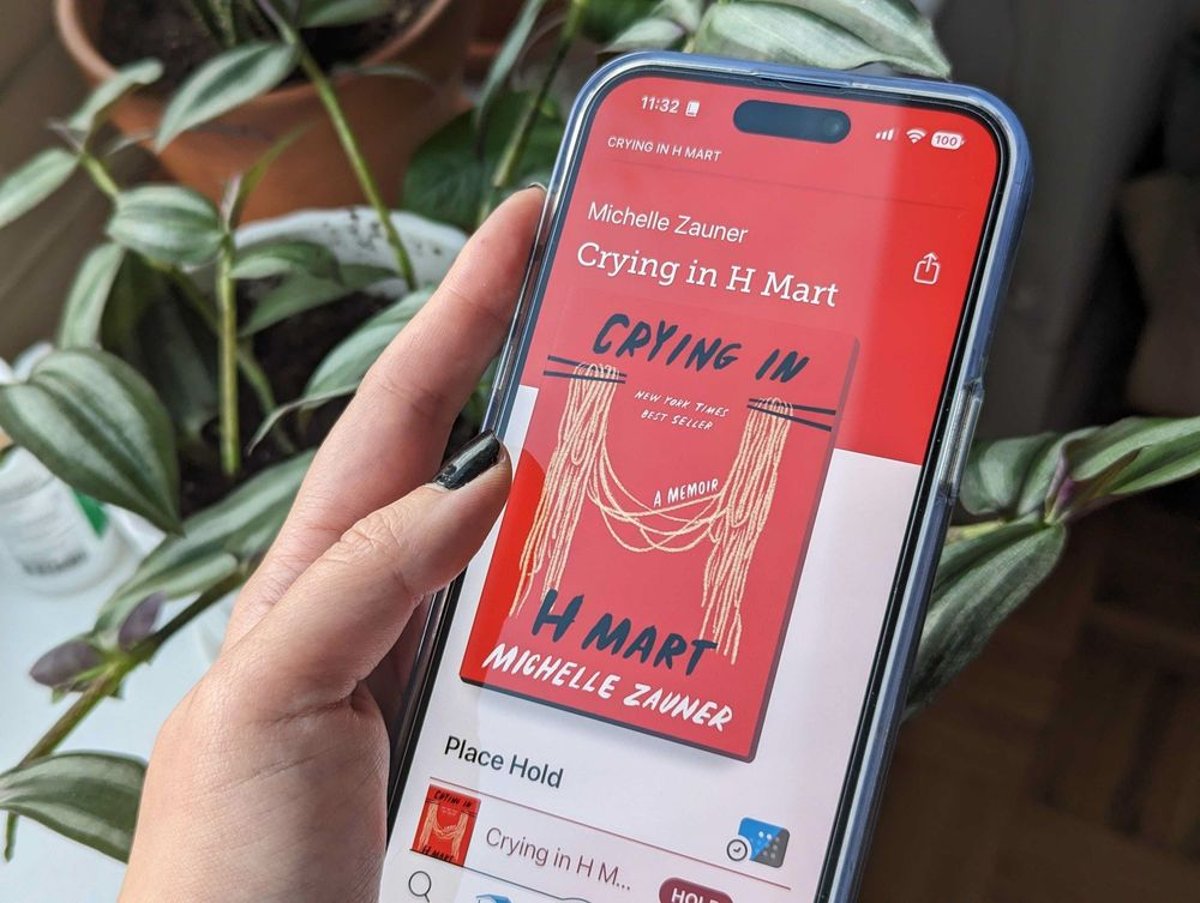
OverDrive is taking a stand against the flood of AI-generated books threatening to overwhelm digital library shelves. The company's new CEO Marc DeBevoise, who stepped into the role last week, just announced that the popular Libby ebook lending app will introduce AI content controls, letting readers filter out machine-written books. With Libby serving tens of thousands of public libraries worldwide, the move signals how seriously the digital publishing industry is taking the AI content explosion.
"AI is the new frontier for us," Marc DeBevoise told The Verge in his first major interview since becoming CEO of OverDrive last week. It's a carefully chosen phrase that acknowledges both opportunity and threat. For Libby, the free ebook lending app that connects millions of readers to their local library collections, that threat is becoming impossible to ignore.
The digital publishing industry is drowning in AI-generated content. Self-publishing platforms like Amazon's Kindle Direct Publishing have seen an explosion of machine-written books, from generic romance novels to technical guides that read like they were assembled by algorithm. For library systems that license digital content through OverDrive, the question isn't whether this wave will hit but how to help patrons navigate it.
Libby's answer is giving readers control. The app is preparing to roll out AI content controls that will let users decide whether they want to see AI-generated books in their search results and recommendations. It's a pragmatic middle ground, neither banning AI content outright nor forcing it on readers who'd rather stick with human authors.
But there's a catch, and it's a big one. The effectiveness of any AI content filter depends entirely on accurate labeling. Publishers need to disclose when books are AI-generated, and self-publishing authors need to be honest about their creative process. In an industry where transparent attribution is still evolving, that's far from guaranteed.
The timing of DeBevoise's announcement is notable. He's coming into the CEO role at a moment when digital libraries face unprecedented challenges. Physical book bans are surging in some communities, while AI-generated content threatens to dilute the quality of digital collections. OverDrive sits at the intersection of both trends, serving as the infrastructure layer for public library digital lending.
Libby has become essential infrastructure for readers. The app provides free access to ebooks and audiobooks through local library cards, competing directly with paid services like Amazon's Kindle Unlimited and Audible. Any changes to how content is filtered and presented could reshape reading habits for millions of users.
The feature also raises questions about how AI content will be categorized. Will books that use AI for editing or research assistance be flagged? What about hybrid works where human authors use AI tools for outlining or brainstorming? The publishing industry hasn't settled on clear definitions yet, and OverDrive will need to establish guidelines that make sense for librarians and readers alike.
For public libraries, the AI content question goes beyond consumer preference. Librarians are trained to curate collections based on quality, relevance, and community needs. If AI-generated books start flooding library catalogs without clear labeling, it undermines their ability to do that work effectively. OverDrive's filtering tool could become as much a professional resource for librarians as a consumer feature.
The broader tech industry is wrestling with similar questions. Social media platforms are experimenting with AI content labels, while stock photo sites are creating separate categories for AI-generated images. But OverDrive's implementation matters more than most because it touches a public resource. Libraries aren't commercial platforms optimizing for engagement - they're civic institutions committed to information access and literacy.
DeBevoise's framing of AI as "the new frontier" suggests OverDrive sees this as just the beginning. The company will likely need to develop more sophisticated tools for identifying AI content, potentially using its own detection algorithms if publisher labeling proves unreliable. That could position OverDrive as a leader in content authenticity verification, a capability with applications far beyond ebooks.
OverDrive's move to add AI filtering in Libby is less about taking sides in the AI content debate and more about preserving reader choice in an increasingly automated publishing landscape. As the first major digital library platform to offer granular AI content controls, OverDrive is setting a precedent that other platforms will likely follow. The real test won't be the technology itself but whether the publishing industry can deliver the transparent labeling needed to make these filters actually work. For now, library patrons will soon have one more tool to navigate the collision of artificial intelligence and human creativity on their digital bookshelves.