The robots are coming for your window-washing gig. Lucid Bots just closed a $20 million funding round to scale production of its autonomous window-cleaning drones and power-washing robots, riding a wave of demand that's caught even the company off guard. The round signals growing investor confidence in specialized robotics that tackle dangerous, repetitive jobs humans would rather avoid.
Lucid Bots is betting that building managers are ready to swap scaffolding for flying robots. The company just secured $20 million in fresh funding to keep pace with what it describes as accelerating demand for its window-cleaning drones and power-washing robots over the past year.
The timing couldn't be better. Commercial real estate operators are facing a labor crunch while insurance costs for high-risk maintenance work continue climbing. Lucid Bots is positioning its autonomous systems as the answer, promising to slash both the danger and expense of keeping glass towers sparkling.
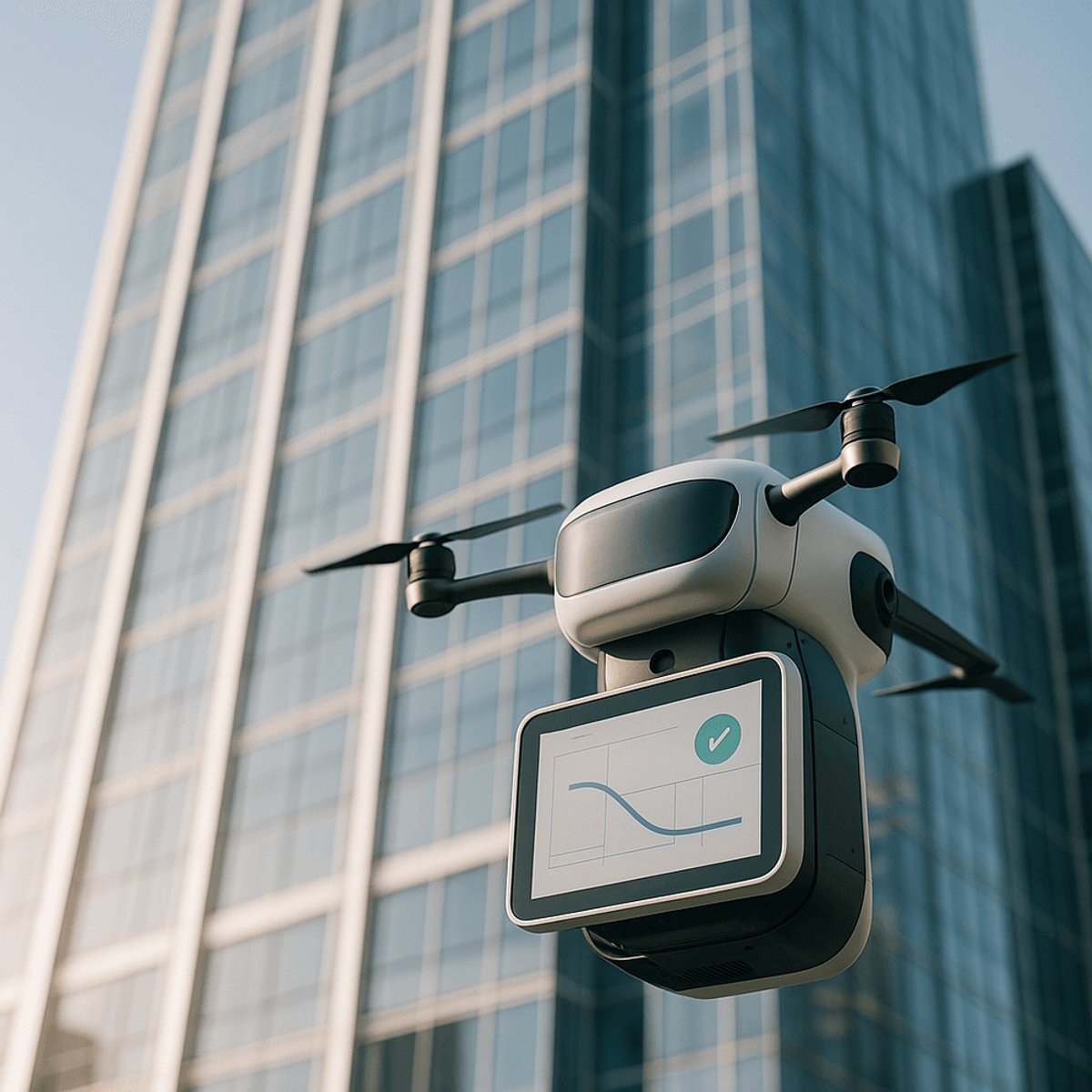
According to TechCrunch, the robotics startup has seen its order pipeline swell as facilities managers test alternatives to traditional window-washing crews. The company's drones can navigate building facades autonomously, using computer vision and AI-powered route planning to clean windows without human operators dangling from ropes.
The funding round comes as the commercial robotics sector fragments into increasingly specialized niches. While humanoid robots and warehouse automation grab headlines, companies like Lucid Bots are quietly carving out profitable verticals in unglamorous but essential tasks. Window washing alone represents a multi-billion dollar global market, with high-rise buildings requiring regular maintenance that's both expensive and dangerous.
What makes Lucid Bots compelling to investors is the pain point it addresses. Building managers face rising liability costs for human window washers, regulatory pressure around workplace safety, and chronic labor shortages in maintenance trades. A drone that can do the job autonomously eliminates all three problems while potentially cutting costs by 40-60% according to early customer pilots.
The company's power-washing robots tackle a similar problem on the ground level. These wheeled units can clean parking garages, building exteriors, and concrete surfaces without human supervision, running scheduled routes and adapting to obstacles in real-time. The machines combine high-pressure cleaning systems with autonomous navigation, using the same core AI technology that powers the aerial drones.
This funding round reflects a broader trend in enterprise robotics - investors are backing companies that solve specific, high-value problems rather than chasing general-purpose automation. Lucid Bots doesn't need to revolutionize robotics. It just needs to clean windows better and cheaper than humans can, and that's a much easier technical challenge to solve.
The competitive landscape is heating up though. Other startups are eyeing the facilities maintenance robotics space, while established cleaning equipment manufacturers are adding autonomous features to traditional products. Lucid Bots will need to move fast to lock in customers and prove its technology at scale before rivals catch up.
The $20 million will primarily fund manufacturing capacity and go-to-market expansion. The company is ramping production to meet current orders while building out its sales and service infrastructure to support a growing customer base. That suggests Lucid Bots has moved past the pilot phase and is seeing real commercial traction.
For the facilities management industry, this is another signal that automation is coming for tasks once thought too complex or nuanced for robots. If Lucid Bots can prove the economics work at scale, expect window-washing drones to become as common as robotic vacuum cleaners in airports and malls.
The robotics sector is watching closely. Success here could open the door to autonomous systems tackling other dangerous building maintenance jobs - everything from facade inspections to gutter cleaning to exterior painting. Lucid Bots is positioning itself at the forefront of that wave, using this funding to prove the market exists and capture it before anyone else can.
Lucid Bots' $20 million raise is more than just another robotics funding round - it's validation that specialized automation for dangerous jobs is ready for prime time. As labor costs rise and safety regulations tighten, facilities managers are looking for alternatives to putting humans on ropes 40 stories up. If the company can execute on scaling production and proving ROI for early customers, window-washing drones could become standard equipment for commercial real estate operators within the next few years. The question isn't whether robots will clean our skyscrapers, but how quickly building managers will make the switch.