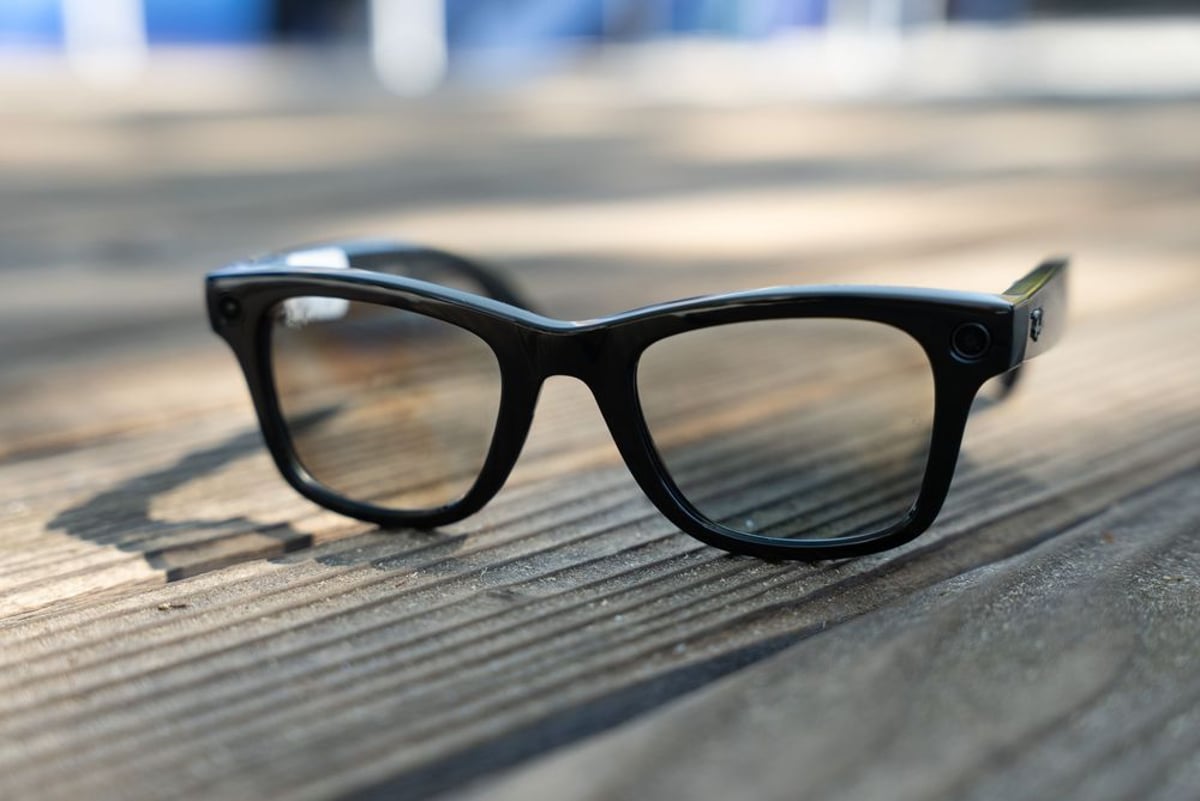
Meta just dropped the Ray-Ban Gen 2 smart glasses at Connect 2025, doubling battery life to eight hours and adding 3K video recording. Starting at $379 and available today, these upgrades position Meta's wearables to compete directly with premium smart glasses while keeping AI features front and center.
Meta is making its biggest play yet in the smart glasses market. The company unveiled the Ray-Ban Meta Gen 2 at its Connect event, delivering the kind of substantial hardware improvements that could finally make smart glasses mainstream. The headline feature? Battery life that actually works for daily use.
The Gen 2 glasses run for eight hours on a single charge, exactly double the four-hour limit that plagued the first generation. That's the difference between glasses you can wear for a full workday versus ones that die before lunch. The charging case got substantial upgrades too, now providing 48 hours of additional battery life (up from 32) and juicing the glasses to 50% in just 20 minutes.
[embedded image: Ray-Ban Meta Gen 2 glasses being worn]
But Meta didn't stop at battery improvements. The camera system now records 3K video at 30fps, matching the capabilities of Oakley's HSTN smart glasses that currently dominate the premium end of the market. Users can also capture 1440p at 30fps or 1200p at 60fps, all for up to three minutes per clip. Coming later this fall, hyperlapse and slow-motion video features will roll out to all of Meta's AI-powered glasses.
The real innovation comes in the audio department with a feature called "conversation focus." Using the built-in speakers, the glasses will amplify the voice of whoever you're talking with while suppressing background noise. It's the kind of AI-powered enhancement that makes smart glasses useful beyond just recording videos - they actually augment your daily interactions.
Meta is also expanding live translation support to include German and Portuguese, building on the multilingual capabilities that set these apart from competitors like Apple's rumored smart glasses project. The company clearly wants to own the AI wearables space before other tech giants catch up.
According to The Verge's hands-on coverage, the Gen 2 glasses feel like a solid but predictable upgrade. "They're ultimately still Meta Ray-Ban glasses," reporter Jay Peters noted after trying them at Connect. "If you've used the first generation before, you pretty much get the idea."
That familiarity might be exactly what Meta wants. Rather than reinventing the form factor, the company focused on fixing the pain points that prevented mainstream adoption. The original Ray-Ban smart glasses launched in 2021 to mixed reviews, with battery life consistently cited as the biggest limitation.
The pricing strategy reveals Meta's confidence in the upgrade. At $379, the Gen 2 glasses cost $80 more than the original launch price, but the first-generation model stays available at $299. This creates a clear good-better-best lineup that lets consumers choose based on their budget and battery needs.
Style options remain consistent with Wayfarer, Skyler, and Headliner frames available at launch. Meta partnered with Ray-Ban parent company EssilorLuxottica specifically to avoid the "tech bro" aesthetic that plagued earlier smart glasses attempts from other companies.
The timing couldn't be better for Meta. While Apple continues working on its mysterious smart glasses project and Google experiments with AR prototypes, Meta has a shipping product that actually works. The company's early investment in AI wearables is paying off as the broader tech industry scrambles to find the next big platform after smartphones.
For consumers, the question isn't whether smart glasses will become mainstream - it's which company will own that future. With the Gen 2 upgrades, Meta is betting that better batteries and AI features matter more than revolutionary design changes.
Meta's Ray-Ban Gen 2 glasses represent the kind of incremental but meaningful progress that could finally make smart wearables click with mainstream consumers. By doubling battery life and adding professional-grade video features, Meta is positioning itself as the clear leader in a market that other tech giants are still figuring out. At $379, they're not cheap, but the combination of all-day battery life and AI-powered features like conversation focus suggests we're moving beyond gimmicky smart glasses toward genuinely useful wearable computing.