Meta's Threads is making its biggest creator play yet, rolling out podcast-specific features that could reshape where millions discuss their favorite shows. The platform's new enhanced podcast links and dedicated profile sections aim to capture conversations currently scattered across Reddit, X, and streaming platforms - potentially closing the gap with X's 600 million monthly users.
Meta's Threads just fired a shot across the bow of every social platform competing for creator attention. The company announced Tuesday it's specifically targeting podcasters with new features designed to make Threads the go-to destination for show discussions and creator promotion.
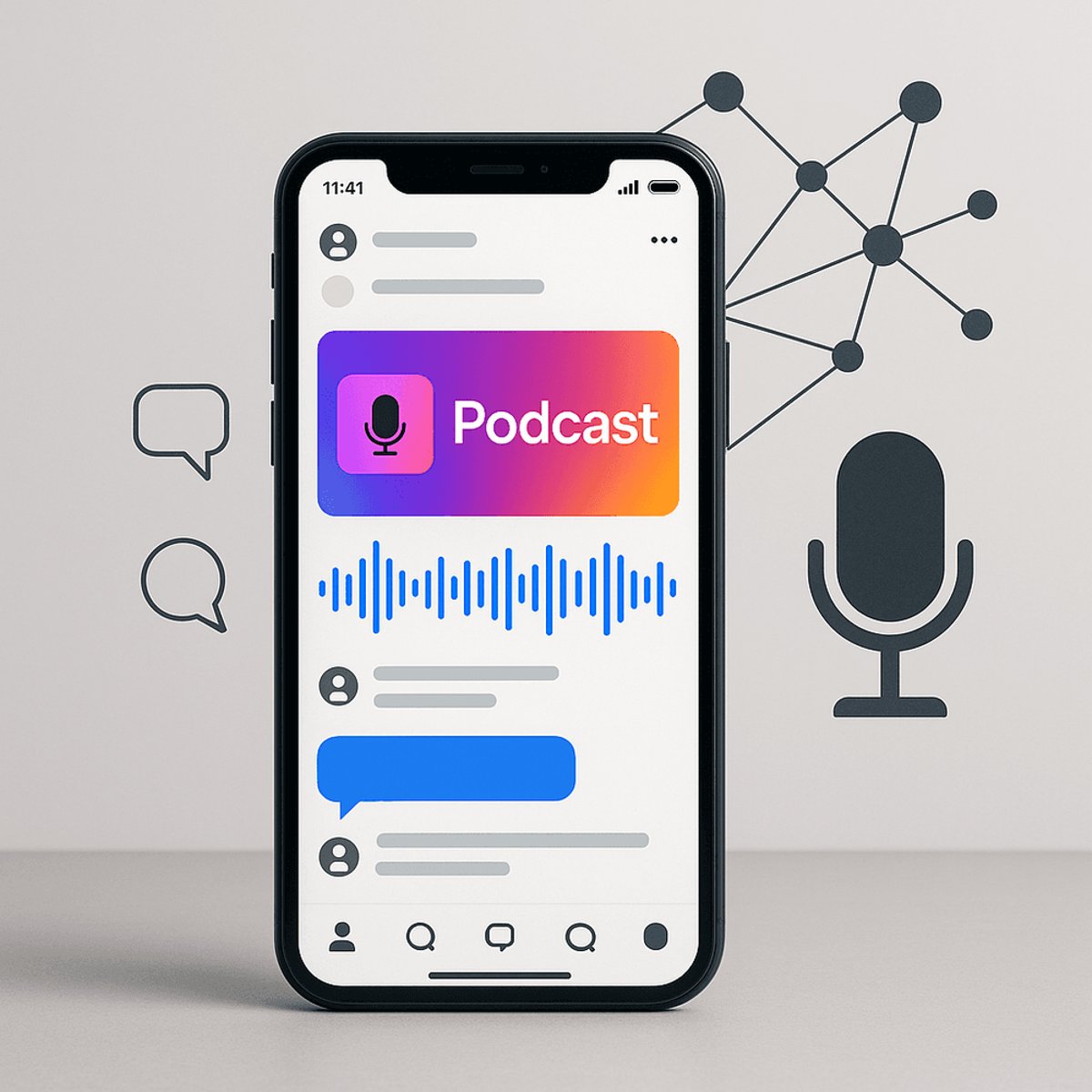
The initial rollout centers on two key updates that address podcasters' biggest promotional challenges. Podcast links shared in the Threads feed now get enhanced visual treatment - colorful backgrounds, image thumbnails, and more prominent placement that makes them impossible to miss in users' scrolling experience. It's a stark departure from the text-heavy links that typically get buried in social feeds.
Creators also gain a dedicated podcast section in their profiles, giving them prime real estate to showcase their shows. According to TechCrunch's original reporting, these features are designed to help podcasters "better promote their shows and grow their audiences" - addressing a core pain point for creators trying to build followings across multiple platforms.
The timing isn't coincidental. Meta sees massive opportunity in consolidating podcast conversations that are currently fragmented across Reddit, X, Facebook, Instagram, and streaming platforms like YouTube and Spotify. The latter added comment support just last year, recognizing the same cultural conversation potential Meta's now chasing.
"Meta explained it's interested in the podcast community because it sees the potential in becoming the de facto place for people to talk about shows and engage with creators," a Meta spokesperson told TechCrunch. The company's betting on podcasts' "deep ties to culture" to drive the kind of engaged discussions that keep users returning.
The numbers game makes Meta's strategy crystal clear. Threads currently sits at 400 million monthly active users and 150 million daily users - impressive growth but still trailing X's claimed 600 million monthly users. Capturing even a portion of the podcast ecosystem could significantly narrow that gap.
But Meta's playing a different game than traditional podcast platforms. The company explicitly told TechCrunch it won't become a podcast distribution platform. Instead, it's focusing on the conversations around content - analytics on fan engagement, discovery features, and connections between podcasters and listeners.
This isn't Threads' first creator courtship. The platform rolled out five-link profile support in May, letting creators promote their broader web presence. More recently, it introduced text attachment features for longer-form content. The podcast push represents the most targeted creator play yet.
The competitive landscape is heating up as platforms fight for creator loyalty. Bluesky continues gaining ground as an X alternative, while YouTube dominates podcast video content. Meta's bet centers on community - making Threads the place where podcast fans naturally gather to discuss episodes, share reactions, and discover new shows.
Industry observers see this as Meta's recognition that successful social platforms need distinct creator niches. While TikTok owns short-form video and YouTube dominates long-form, podcast discussions remain up for grabs. The strategy mirrors how Twitter became essential for real-time news discussions before X's ownership changes created openings for competitors.
Meta's podcast play represents more than feature additions - it's a calculated bet on cultural conversations as the next battleground for social media dominance. By focusing on discussions rather than distribution, Threads could carve out the community-focused niche that distinguishes it from algorithmically-driven competitors. The success hinges on whether podcasters and their audiences will migrate conversations from established platforms to Meta's growing but still-smaller network. With more podcast features promised through 2026, we're watching Meta's biggest creator acquisition strategy unfold in real time.