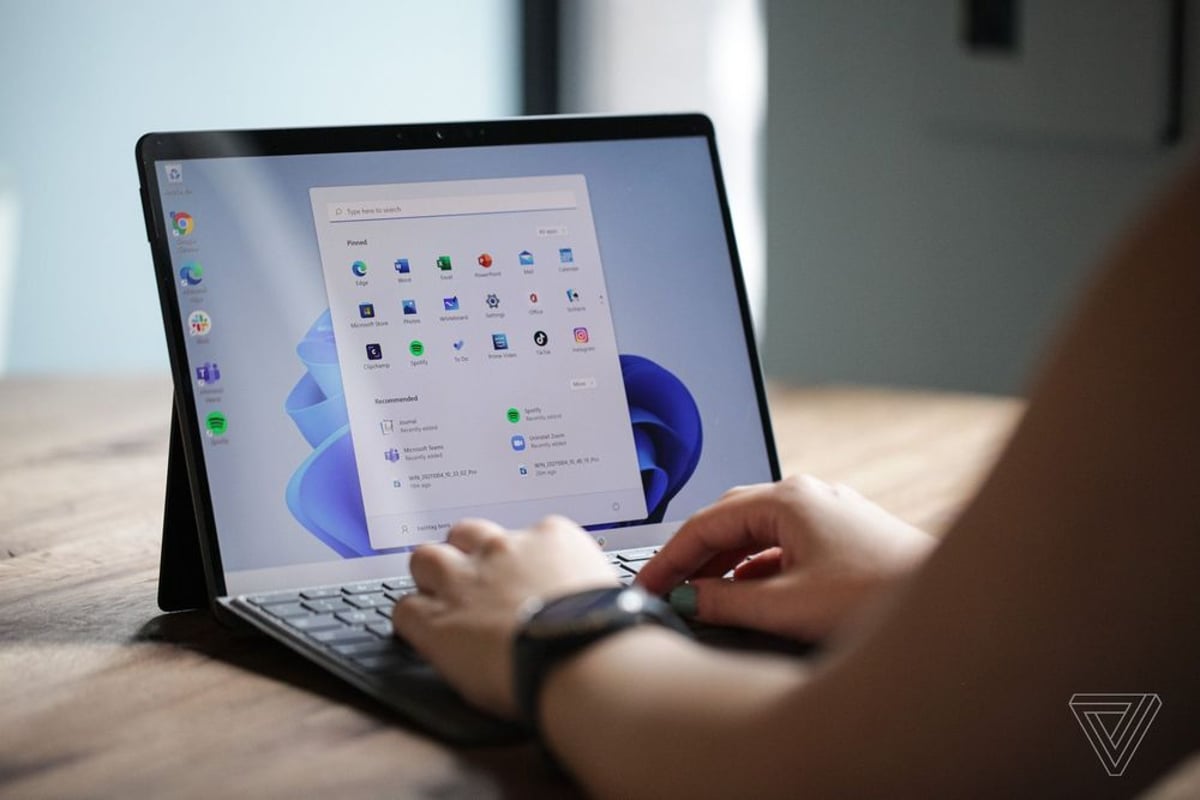
Microsoft is finally caving to user demands. After nearly five years of complaints, the company is bringing back the ability to move the Windows 11 taskbar to the top or sides of your screen. The change is part of a broader quality overhaul aimed at addressing mounting criticism of Windows 11's performance and user experience. Windows chief Pavan Davuluri says repositioning the taskbar was "one of the top asks" from users, signaling Microsoft's renewed focus on listening to feedback after years of friction.
Microsoft just gave Windows 11 users something they've been demanding since day one - the ability to move the taskbar wherever they want. It's a small victory that carries outsized symbolic weight after years of the company stubbornly locking the taskbar to the bottom of the screen.
"Repositioning the taskbar is one of the top asks we've heard from you," Windows chief Pavan Davuluri said in the announcement. "We are introducing the ability to reposition it to the top or sides of your screen, making it easier to personalize your workspace." The admission is notable - Microsoft doesn't often publicly acknowledge when it's been ignoring user feedback.
The movable taskbar isn't arriving in isolation. It's part of what Microsoft describes as a comprehensive quality and performance overhaul for Windows 11, a response to increasingly vocal criticism about the operating system's reliability and user experience. The company has faced mounting pressure over bugs, performance issues, and controversial design decisions since Windows 11 launched in October 2021.
For context, Windows 10 users could freely position their taskbar anywhere on the screen - a feature that dated back decades in Windows history. When Microsoft shipped Windows 11, that flexibility vanished without explanation. The taskbar was locked to the bottom, and the company remained silent as user complaints piled up on feedback forums and Reddit threads. Power users, multi-monitor setups, and anyone with specific workflow preferences were left frustrated.
The decision to finally restore taskbar positioning suggests Microsoft is recalibrating its approach to Windows development. The company has been under fire for what critics call a pattern of removing useful features while adding unwanted complexity. Problems with Windows 11's overall quality have ranged from Start menu glitches to file explorer crashes, creating a trust deficit with longtime Windows users.
Microsoft plans to roll out the movable taskbar to Windows Insiders first - the company's beta testing program that lets enthusiasts try features before general release. That phased approach gives Microsoft time to work out any bugs before the feature hits the estimated 400 million Windows 11 devices currently in use. The broader public rollout timeline wasn't specified, but these changes typically take several weeks or months to reach all users through Windows Update.
The taskbar restoration is part of a larger list of improvements Microsoft is promising for 2026. The company is emphasizing stability, performance optimization, and - crucially - listening to user feedback. It's a shift in tone from the "we know best" approach that characterized much of Windows 11's early development.
What makes this development particularly interesting is the timing. Microsoft has been pushing AI features aggressively across Windows, adding Copilot integration and other machine learning capabilities. But those flashy additions don't matter much if basic usability features are missing. The taskbar change signals that Microsoft might finally be balancing innovation with the fundamentals that users actually care about.
The announcement also reflects broader trends in software development. Companies across tech have been facing backlash for removing features in the name of simplification or redesign. Apple dealt with similar criticism over Mac OS changes, and Google regularly faces complaints about retired Gmail or Drive features. Users are pushing back against the idea that newer automatically means better.
For IT administrators managing enterprise Windows deployments, the taskbar change offers a small but meaningful win. Standardized desktop layouts matter in corporate environments, and the ability to position taskbars consistently across different screen setups makes support easier. It's the kind of detail that doesn't make headlines but affects daily productivity for millions of workers.
Microsoft's decision to restore the movable taskbar represents more than just a UI tweak - it's a public acknowledgment that the company overreached in stripping away user choice. Whether this signals a genuine shift toward user-focused development or just damage control remains to be seen. But for the millions of Windows 11 users who've been complaining for five years, it's a rare instance of Microsoft actually reversing course. The real test comes next: whether the company can maintain this momentum and address the deeper performance and reliability issues that have plagued Windows 11 since launch. For now, Windows Insiders will get first crack at repositioning their taskbars, with everyone else waiting to see if Microsoft can deliver on its broader quality promises.