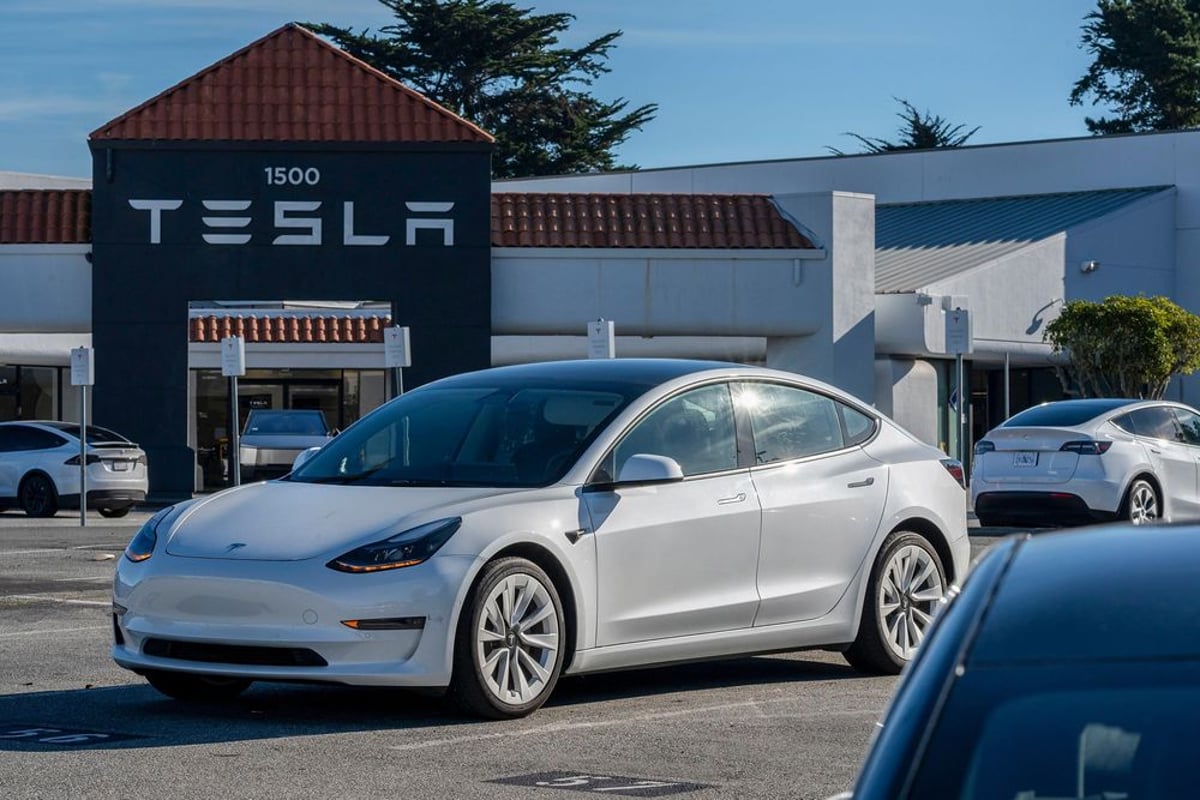
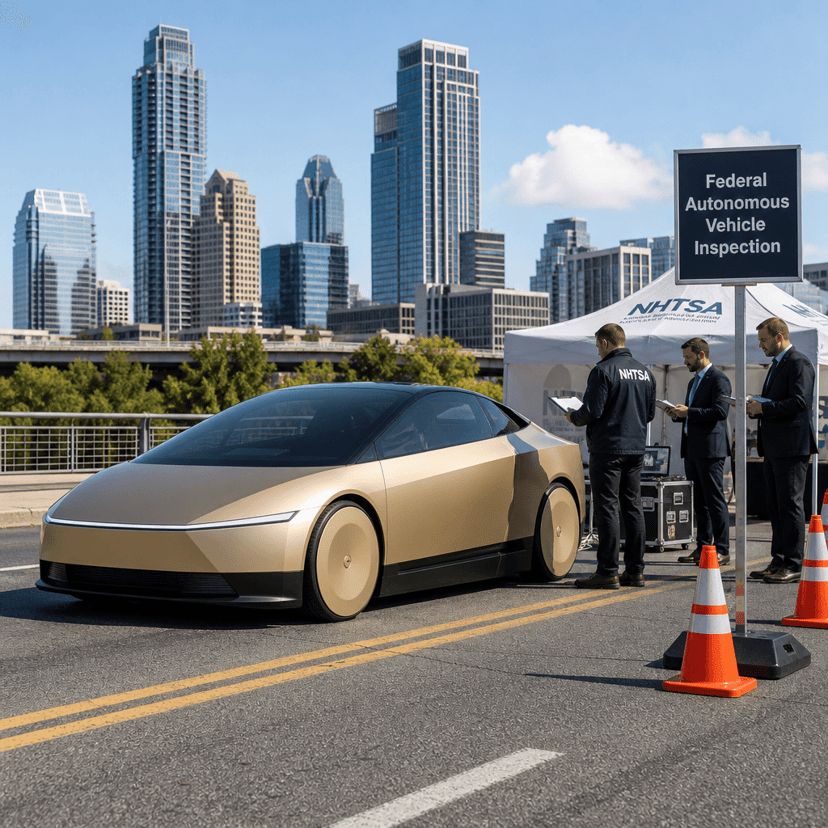
Tesla is facing fresh scrutiny after federal investigators revealed the driver in a fatal Texas crash manually overrode the company's Full Self-Driving system by flooring the accelerator to 100 percent. The National Transportation Safety Board confirmed Wednesday that the Model 3 hit speeds over 70 mph in a residential 30 mph zone before plowing into a Katy, Texas home and killing 76-year-old Martha Avila. The preliminary findings spotlight ongoing questions about how FSD's human override features work and whether drivers understand the system's limitations.
Tesla just handed federal safety investigators a troubling data point in the ongoing debate over autonomous vehicle oversight. The driver who killed a Texas woman in June was running Full Self-Driving when he manually overrode the system by slamming the accelerator to maximum throttle, the NTSB confirmed in preliminary findings released Wednesday.
The electronic data doesn't lie. Michael Butler's Model 3 hit speeds greater than 70 mph on a two-lane residential road with a posted 30 mph limit before crashing into Martha Avila's Katy home. The 44-year-old driver's decision to floor it while FSD was engaged reveals a critical gap in how Tesla's system handles human intervention, or more precisely, how drivers misunderstand what they can and can't do while the technology is active.
According to the NTSB report, FSD was engaged when Butler pressed the accelerator pedal to 100 percent, manually overriding the system's intended operation. The crash killed Avila, 76, inside her home. It's the kind of incident that puts Tesla's entire autonomous driving narrative under the microscope, especially as CEO Elon Musk continues pushing for wider FSD deployment and regulatory approval for fully autonomous robotaxis.
The Texas incident isn't happening in a vacuum. Tesla faces multiple federal investigations into its Autopilot and FSD features, with the National Highway Traffic Safety Administration scrutinizing whether the company's marketing creates dangerous misconceptions about the technology's capabilities. Critics argue the "Full Self-Driving" name itself misleads consumers into thinking the system is more capable than it actually is - it still requires active driver supervision.
What makes this crash particularly significant is the override mechanism. FSD is designed to allow driver input, including accelerator override, as a safety feature. But the Katy incident demonstrates how that same flexibility can become a liability when drivers misuse it. The question facing regulators: should autonomous systems have more robust safeguards against dangerous human intervention, even if that means limiting driver control?
Tesla has long maintained that FSD and Autopilot are designed to make driving safer, pointing to internal data showing lower crash rates for vehicles using the technology compared to the national average. But federal investigators have pushed back on those claims, noting that Tesla's methodology doesn't account for the types of roads where the features are typically used or compare against similar driver demographics.
The timing adds another layer of complexity. Tesla recently started rolling out its latest FSD version, which relies more heavily on neural networks and end-to-end learning approaches. The company has been beta testing these updates with paying customers, a strategy that's drawn criticism from safety advocates who argue Tesla is essentially using public roads as a testing ground without adequate oversight.
For the autonomous vehicle industry broadly, incidents like the Katy crash threaten to slow regulatory momentum. Waymo and Cruise have taken more conservative approaches, using remote monitoring, geofenced operating areas, and in some cases, removing human controls entirely. Tesla's strategy of putting powerful override capabilities in consumer hands represents a fundamentally different philosophy - one that's now under intense federal scrutiny.
The NTSB's preliminary report is just the beginning. The agency will conduct a full investigation, examining everything from the vehicle's sensor data and software logs to road conditions and driver behavior patterns. That analysis typically takes 12 to 24 months and results in safety recommendations that, while not binding, carry significant weight with regulators and manufacturers.
What happens next could reshape how autonomous driving features are designed, marketed, and regulated across the industry. If investigators determine FSD's override system contributed to the crash, Tesla could face calls for software updates, additional driver warnings, or even operational restrictions. The broader implication: the era of calling something "Full Self-Driving" while requiring constant human supervision may be coming to an end.
The Katy crash crystallizes the central tension in autonomous vehicle development: how much control should humans have over self-driving systems, and what happens when that control is misused? As federal investigators dig deeper into Tesla's FSD override mechanisms, the findings will likely influence not just Tesla's future software updates but the entire regulatory framework for autonomous vehicles. For an industry racing toward full autonomy, this incident serves as a stark reminder that the human element remains the most unpredictable variable in the equation.