In a bold legal counterpunch, Midjourney is forcing Disney, Warner Bros, and Universal to reveal exactly how they use AI in their own production pipelines. The image generation startup filed court documents compelling discovery of the studios' AI practices, turning the tables in an ongoing copyright dispute that's becoming a test case for Hollywood's AI reckoning. It's a classic case of the pot calling the kettle black - except now both sides have to show their kettles.
Midjourney isn't backing down. The AI image generator at the center of Hollywood's copyright wars just filed a motion that could blow open the entertainment industry's worst-kept secret - that major studios are already deep into AI themselves.
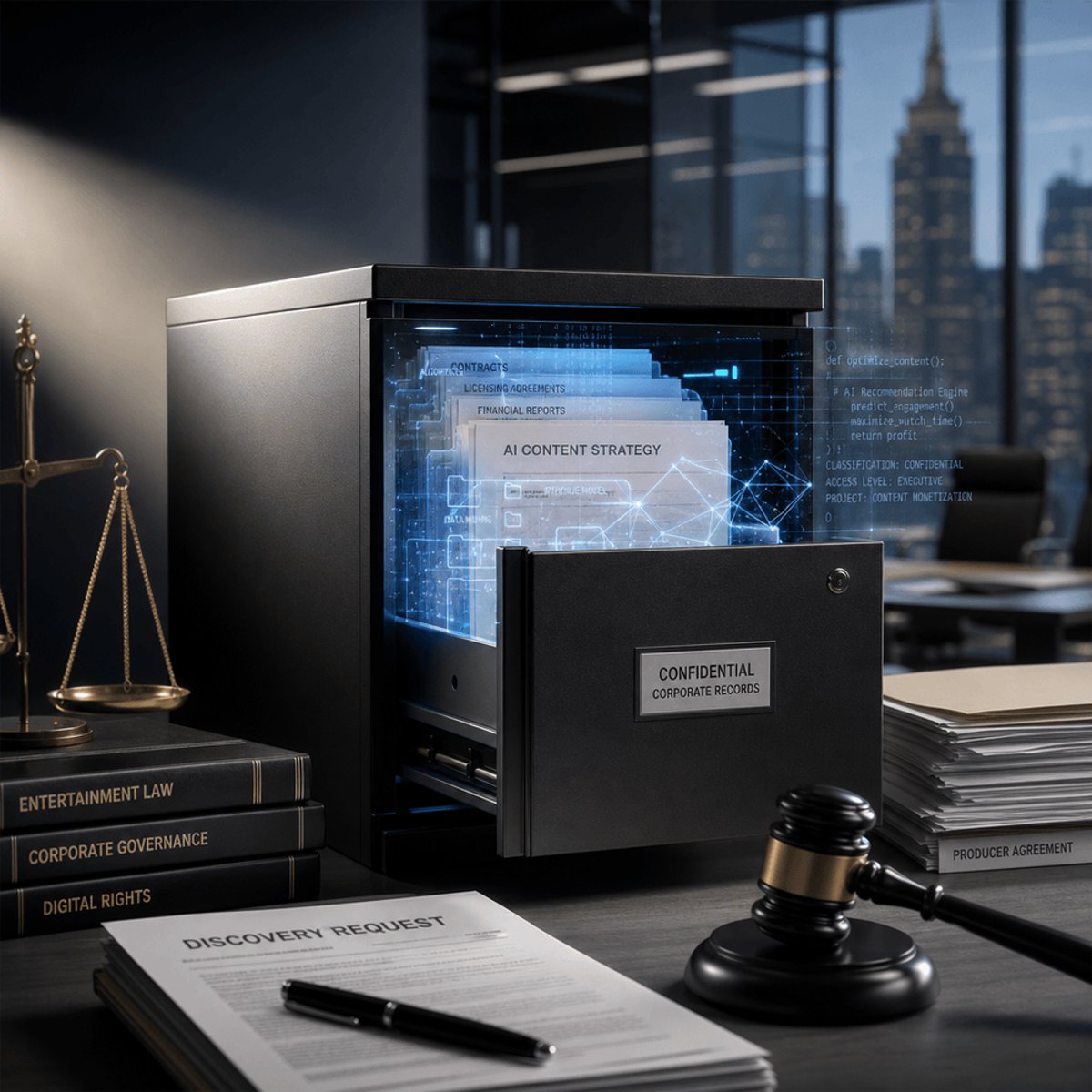
According to court filings, Midjourney is seeking to compel Disney, Warner Bros, and Universal to produce detailed documentation of their own AI tools, training methods, and deployment across film and television production. The discovery request targets everything from concept art generation to VFX workflows, potentially exposing how Hollywood's biggest players source training data for their proprietary systems.
The timing is brutal. These same studios have spent months positioning themselves as defenders of artistic integrity against AI encroachment, with Disney CEO Bob Iger recently telling investors the company approaches AI "very carefully and respectfully." But industry insiders know that Marvel alone has been using AI-assisted tools for previz and background generation since at least 2024. Now Midjourney wants the receipts.
This legal dispute stems from lawsuits filed by the studios alleging Midjourney trained its models on copyrighted film stills, promotional images, and concept art without permission. But the discovery motion flips that narrative entirely. If the studios can't prove their own AI systems were trained exclusively on licensed or original content, their legal standing crumbles. It's the corporate equivalent of getting pulled over for speeding while there's contraband in your trunk.
The implications ripple far beyond this case. Warner Bros has publicly partnered with AI video startup Runway AI, while reports suggest Universal has been testing generative tools for marketing materials. Disney acquired multiple AI startups in 2025 but has disclosed virtually nothing about how that tech integrates into production. Midjourney's legal team is betting those partnerships and acquisitions left a paper trail that contradicts the studios' public posture.
Legal observers say this discovery battle could establish crucial precedent. "If courts allow this level of transparency around AI usage, every company suing AI developers will face the same scrutiny," one intellectual property attorney noted. The motion essentially argues that you can't claim harm from AI training while hiding your own AI practices - a legal theory that could reshape dozens of pending cases.
The studios have until later this month to respond to the discovery motion, and they're likely scrambling. Internal communications about AI deployment, vendor contracts with AI companies, and technical documentation of training datasets could all become public record. For an industry that's spent the past year negotiating AI guardrails with unions while quietly expanding AI R&D, that's a nightmare scenario.
What makes this particularly awkward for Hollywood is the recent WGA and SAG-AFTRA contract negotiations, where studios agreed to strict limitations on AI use in writing and performance. But those deals said nothing about pre-production, concept development, or post-production workflows - exactly where insiders say AI tools have proliferated most aggressively. Midjourney's discovery requests specifically target these gray areas.
The broader tech industry is watching closely. OpenAI, Stability AI, and other generative AI companies face similar copyright challenges from publishers, stock photo agencies, and artists. If Midjourney successfully forces transparency from its accusers, it could become a template for defensive strategies across the AI sector.
For now, Midjourney continues operating while the legal battle unfolds. The company recently crossed 20 million users and launched new features for professional creators, including better control over style consistency - exactly the kind of tool concept artists at major studios reportedly use through unofficial channels. The irony isn't lost on anyone paying attention.
This legal showdown is about to force Hollywood into an uncomfortable conversation it's been avoiding for two years. If the studios can't demonstrate clean hands on AI training and deployment, their crusade against companies like Midjourney loses credibility - and potentially legal standing. The discovery process could expose that the real divide isn't between human creativity and AI tools, but between companies that are transparent about their AI use and those that aren't. For an industry built on storytelling, Hollywood's about to learn that the cover-up is always worse than the crime. The next few months of filings will reveal whether major studios have been practicing what they preach, or just preaching while they practice something else entirely.