Chinese autonomous driving startup Momenta is raising fresh funding at a $6 billion valuation, marking one of the largest rounds in the sector this year. The Beijing-based company just locked in major partnerships with Mercedes-Benz and BMW, positioning itself as a key player in the race to bring AI-powered driving systems to global automakers.
The autonomous driving gold rush just got a major validation. Momenta, a Chinese startup developing AI software for self-driving cars, is raising a fresh funding round that values the company at roughly $6 billion, according to two sources familiar with the deal who spoke to CNBC.
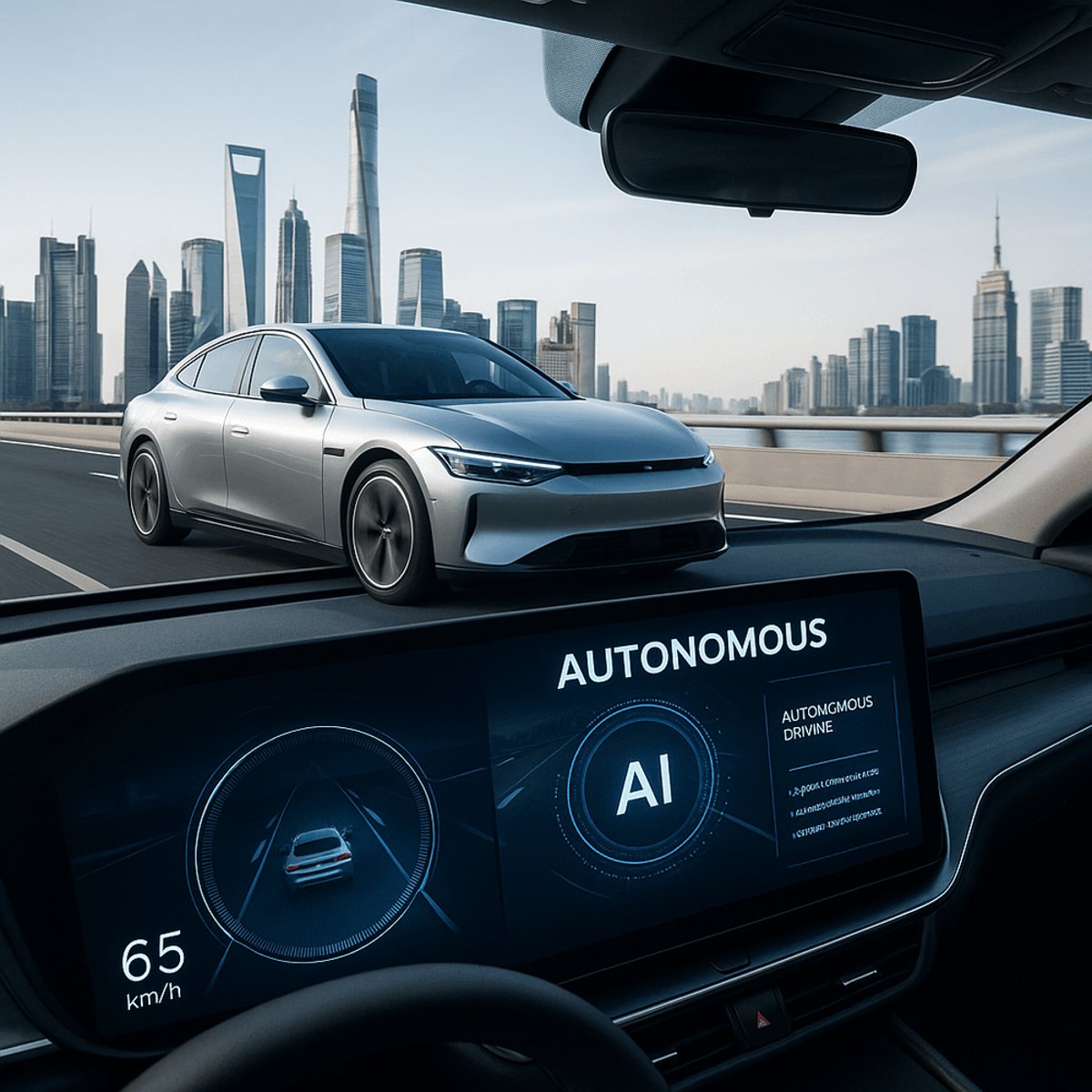
The timing couldn't be better. Just this week, Mercedes-Benz announced it's bringing Momenta's technology to its all-new electric CLA in China. The partnership will eventually span 40 Mercedes models, with Momenta's Advanced Driver Assistance Systems powering everything from highway cruising to urban navigation and parking.
It's a massive win for the Beijing-headquartered company, which also secured a similar deal with BMW back in June for its Neue Klasse electric vehicles. These aren't small pilot programs - they're full-scale deployments that put Momenta's tech directly in competition with established players like Nvidia and China's Horizon Robotics.
The $6 billion valuation represents serious money flowing into China's autonomous driving sector, even as the broader tech funding environment remains challenging. Momenta's investor roster reads like a who's who of global tech and automotive giants: Tencent, Singapore's Temasek, Chinese automaker SAIC Motor, Toyota, and now Mercedes-Benz itself.
What makes Momenta different from the pack? The company focuses specifically on software and algorithms that automakers can integrate into their existing vehicle platforms. Rather than building their own cars like Tesla or Waymo, Momenta acts as the brain behind other companies' autonomous systems.
This B2B approach is proving lucrative in China's massive automotive market, where local and international automakers are racing to add AI-powered features. The country's regulatory environment has been more welcoming to autonomous driving tests than many Western markets, giving Chinese startups like Momenta a testing advantage.
But competition is fierce. WeRide and Pony.ai are both pursuing similar strategies, while Nvidia's automotive division continues to expand its partnerships with Chinese manufacturers. The sector has become a proxy battleground for US-China tech competition, with American companies trying to maintain market access while Chinese firms push for domestic alternatives.
The funding comes as Momenta prepares for what could be a massive initial public offering. Reuters reported Friday that the company is now considering Hong Kong over New York for its listing, reflecting broader geopolitical tensions affecting Chinese tech companies' access to US capital markets.
For Mercedes and BMW, partnering with Momenta represents a calculated bet on China remaining the world's largest automotive market. Both German automakers have been working to localize their technology offerings, and autonomous driving features are increasingly becoming table stakes for premium vehicles in major Chinese cities.
The partnership structure also gives Momenta credibility as it expands beyond China. Having tier-one automotive partners validates the technology in ways that venture funding alone cannot, potentially opening doors to similar deals with automakers in Europe and other markets.
Momenta's $6 billion funding round signals that investors still see massive opportunity in autonomous driving, particularly in China where regulatory support and market size create favorable conditions for growth. The company's enterprise-focused strategy of partnering with established automakers rather than building its own vehicles appears to be paying off, with major German brands betting their China strategies on Momenta's technology. As the sector consolidates and geopolitical tensions influence capital flows, companies like Momenta that can secure both funding and blue-chip partnerships will likely emerge as the long-term winners in the autonomous driving race.