Netflix is bringing Gene Wilder back from the dead - sort of. The streaming giant just confirmed it's using AI-generated audio to recreate the late actor's iconic voice for its upcoming reality competition Wonka's The Golden Ticket, premiering September 23rd. The move, done with consent from Wilder's estate and powered by voice cloning startup ElevenLabs, marks one of the most high-profile uses of AI voice synthesis in mainstream entertainment yet - and it's raising fresh questions about where Hollywood draws the line on digital resurrection.
Netflix just dropped a teaser trailer that sounds eerily familiar. The voice narrating Wonka's The Golden Ticket - the streamer's new reality competition launching September 23rd - belongs to Gene Wilder. Or rather, an AI approximation of him. Wilder died in 2016, but thanks to a partnership between Netflix and AI audio company ElevenLabs, his distinctive cadence will guide contestants through challenges inspired by Roald Dahl's chocolate factory.
The collaboration, first reported by Deadline, was done with full consent from Wilder's family. It's not ElevenLabs' first rodeo with celebrity voice resurrection - the startup has previously worked on productions recreating Michael Caine and Stan Lee. But this marks one of the most prominent deployments of AI voice cloning in a major streaming release, arriving as Hollywood grapples with what AI means for actors' likenesses and legacy rights.
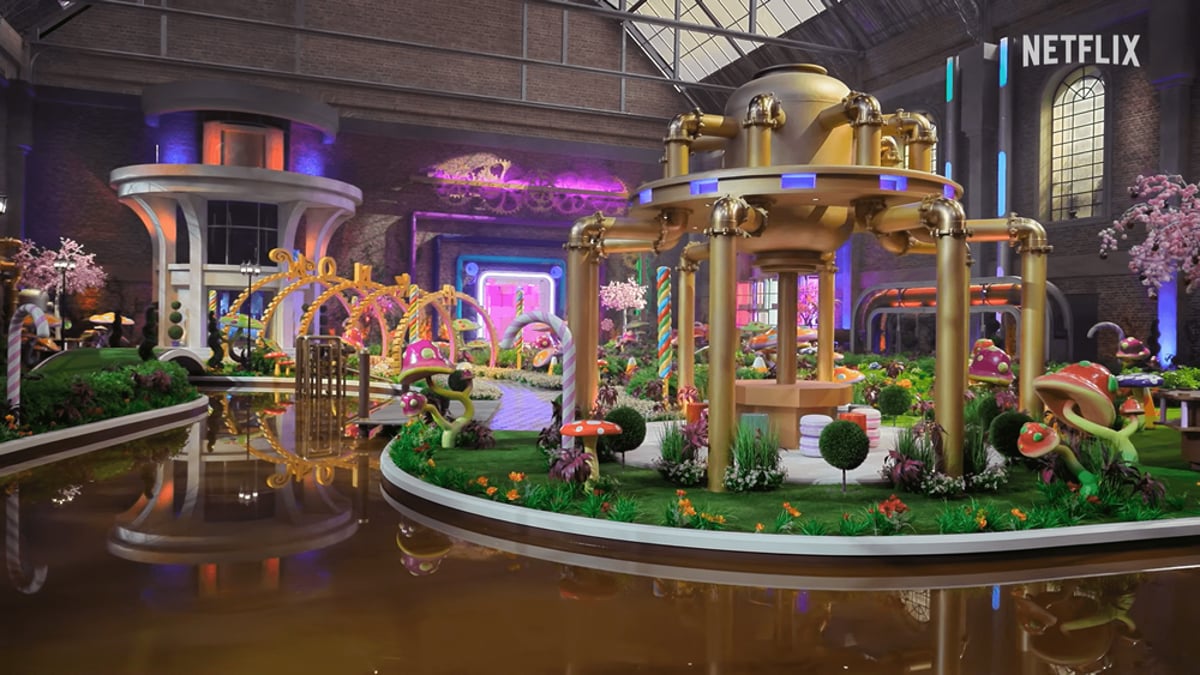
The show itself follows Netflix's playbook of turning fictional dystopias into actual game shows. After Squid Game: The Challenge brought the Korean survival drama's deadly games to reality TV, Wonka's The Golden Ticket will subject real contestants to challenges inspired by Dahl's whimsical but occasionally menacing chocolate factory. The sets are real - not the disastrous AI-generated Glasgow Wonka experience that went viral for all the wrong reasons - but the voice is synthetic.
This builds on Netflix's 2021 deal with the Roald Dahl Story Company, which gave the streamer rights to create entertainment based on the author's entire catalog. That agreement already spawned the Timothée Chalamet-led Wonka prequel film from Warner Bros. and multiple animated series. Now it's extending into reality TV with a digital assist from one of AI's hottest startups.
ElevenLabs has been positioning itself as the go-to platform for professional voice cloning, recently launching an Iconic Voice marketplace where celebrities and estates can license AI versions of voices. The company's involved in the project signals that AI voice synthesis is moving from experimental technology to production tool - at least when the proper rights are cleared.
But consent doesn't eliminate the ethical tensions. The use of AI to recreate deceased performers remains controversial in Hollywood, especially after last year's SAG-AFTRA strike put AI protections at the center of negotiations. While Wilder's family approved this specific use, the precedent it sets could open doors to more aggressive digital resurrections. Studios now have a blueprint: secure estate permission, partner with a reputable AI vendor, and suddenly actors can deliver performances decades after their deaths.
The timing is notable. As generative AI floods the entertainment industry - from script assistance to visual effects - voice cloning represents one of the most emotionally charged applications. It's one thing to use AI for background crowd sounds or commercial voiceovers. It's another to resurrect the specific vocal signature that defined an actor's career. Wilder's portrayal of Willy Wonka in the 1971 film Willy Wonka & the Chocolate Factory remains iconic precisely because of his peculiar delivery - the mix of whimsy, menace, and barely contained chaos. An AI can mimic that technically, but the question lingers: should it?
Netflix isn't alone in exploring this frontier. Disney has used AI-assisted voice work for young Luke Skywalker in Star Wars projects. Video game studios routinely license voice synthesis rights from actors. But Wonka's The Golden Ticket represents a mainstream, consumer-facing application that will reach millions of subscribers. It's no longer a niche technical experiment - it's Tuesday night entertainment.
The show arrives as ElevenLabs faces its own scrutiny over potential misuse of its technology. While the company emphasizes ethical guardrails and consent-based licensing, voice cloning tools have been used for everything from political deepfakes to celebrity scams. Netflix's high-profile partnership offers ElevenLabs legitimacy - proof that its tech can serve creative rather than malicious purposes when properly deployed.
For Netflix, the calculation seems straightforward: the Wonka IP demands a Wonka voice, and Wilder's estate was willing to license it. The alternative would've been hiring a soundalike or abandoning the concept entirely. From a production standpoint, AI solved a problem. From a cultural standpoint, it might've created several more.
Netflix's decision to resurrect Gene Wilder's voice represents a watershed moment for AI in entertainment - not because the technology is new, but because it's now mainstream. With family consent secured and a reputable AI partner, the streamer is betting audiences will accept synthetic performances as part of the creative toolkit. Whether viewers embrace the novelty or recoil at the digital necromancy will shape how aggressively Hollywood pursues similar projects. Either way, the line between preservation and exploitation just got a lot blurrier. September 23rd won't just premiere a reality show - it'll test whether audiences are ready for AI to bring back the dead.