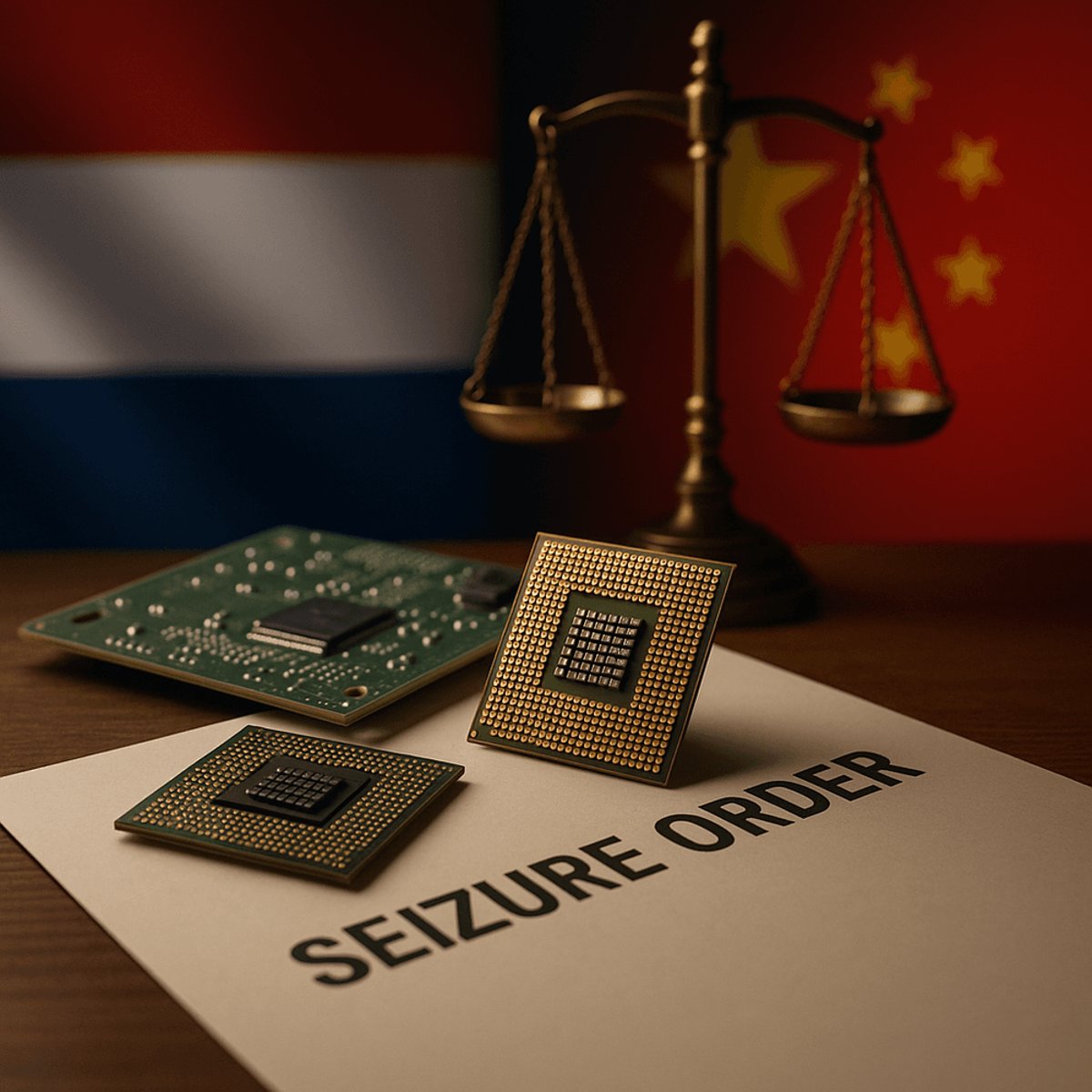
The Dutch government just made an unprecedented move in the global chip wars, seizing control of Nexperia - a Chinese-owned semiconductor company vital to Europe's auto industry. Using emergency powers under the Goods Availability Act, the Netherlands cited 'serious governance shortcomings' as justification for what officials called a 'highly exceptional' intervention that sent shockwaves through Asian markets.
The Dutch government just escalated the global chip wars in dramatic fashion, seizing control of Nexperia - a Chinese-owned semiconductor maker that's become critical to Europe's automotive supply chains. The move represents one of the most aggressive government interventions in the semiconductor industry since the trade tensions began.
The intervention hit markets immediately. Wingtech Technology, Nexperia's Chinese parent company, plunged its maximum daily limit of 10% on the Shanghai Stock Exchange after the announcement broke Sunday evening. The company's shares have been under pressure all year as geopolitical tensions mounted.
According to the Dutch Minister of Economic Affairs, the government invoked the rarely-used Goods Availability Act in September 'to prevent a situation in which the goods produced by Nexperia would become unavailable in an emergency.' The law gives the Hague sweeping powers to intervene in private companies when national security is at stake.
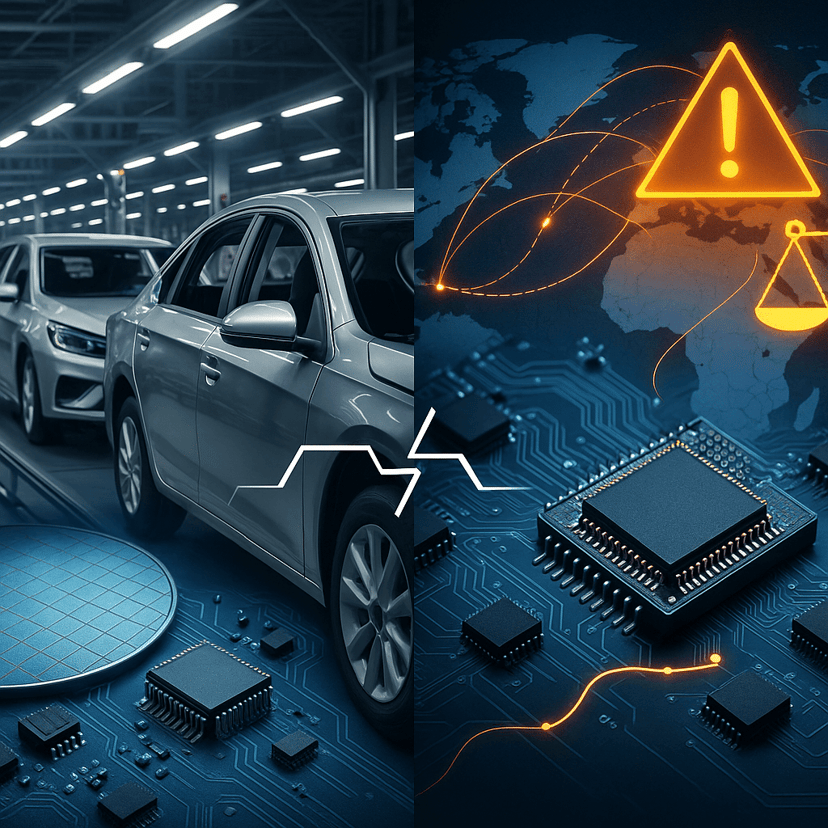
What triggered this nuclear option? The ministry observed 'recent and acute signals of serious governance shortcomings and actions' within Nexperia that threatened 'crucial technological knowledge and capabilities' on European soil. Officials specifically flagged risks to the automotive sector, where Nexperia's high-volume chips are essential for everything from electric vehicles to advanced driver assistance systems.
The takeover immediately suspended Wingtech chairman Zhang Xuezheng from his executive roles at Nexperia Holdings, according to corporate filings with the Shanghai Stock Exchange. The company now operates under temporary external management, with restrictions on asset changes, business decisions, and personnel moves for up to a year.
Wingtech fired back in a now-deleted WeChat post, calling the seizure 'excessive intervention driven by geopolitical bias, rather than a fact-based risk assessment.' The company insists it has 'strictly abided by laws and regulations' since acquiring Nexperia in 2019 and employs thousands across R&D and manufacturing sites in the Netherlands, Germany, and Britain.
But the timing tells a different story. The Netherlands' move comes just days after Beijing tightened restrictions on rare earth exports - materials essential for Europe's automotive industry. It's the latest salvo in an escalating tech cold war that's already seen the Netherlands restrict ASML's advanced chipmaking equipment exports to China.
Nexperia isn't just any chipmaker - it's a critical link in Europe's semiconductor supply chain. The company specializes in high-volume production of chips used across automotive, consumer electronics, and industrial applications. Losing access to these components could cripple European manufacturers already struggling with supply chain disruptions.
The seizure also highlights how quickly the semiconductor landscape is fracturing along geopolitical lines. What started as US restrictions on Chinese tech companies has now spread to European allies taking pre-emptive action to secure their own supply chains. The Netherlands previously investigated Nexperia's proposed acquisition of chip startup Nowi in 2023, though that deal was eventually approved.
For now, Nexperia's daily operations continue under government oversight. But the broader implications are just beginning to unfold. Other European governments are watching closely to see if similar interventions might be necessary to secure their own critical supply chains.
The move puts additional strain on China-Netherlands trade relations, which have already deteriorated over semiconductor restrictions. It also signals that European governments are prepared to take increasingly aggressive steps to maintain technological independence from China - even if it means seizing private companies.
The Dutch government's seizure of Nexperia marks a watershed moment in the global semiconductor wars, showing how far European allies are willing to go to secure their tech supply chains. While Wingtech calls it geopolitical overreach, the move reflects growing fears that critical chip supplies could become weapons in the US-China trade conflict. As other European governments weigh similar interventions, the semiconductor industry faces an increasingly fragmented future where national security concerns trump free market principles.