Intel just lost its Chief Product Officer Michelle Johnston Holthaus after three decades, marking the biggest leadership shake-up since CEO Lip-Bu Tan's arrival in March. The departure comes alongside a strategic pivot creating a new custom silicon division targeting external customers, signaling Intel's aggressive push to compete in the AI chip wars while government oversight looms over its foundry operations.
Intel is reshaping its executive ranks in the most dramatic leadership overhaul since CEO Lip-Bu Tan took control six months ago. The semiconductor giant announced Monday that Michelle Johnston Holthaus, Chief Executive Officer of Intel Products, will depart after more than three decades with the company, remaining only as a strategic adviser during the transition.
The move immediately sent ripples through the semiconductor industry, where executive departures at Intel's level often signal major strategic shifts. Johnston Holthaus had been instrumental in Intel's product roadmap during some of its most challenging years competing against AMD and Nvidia in both consumer and data center markets.
Simultaneously, Intel announced the creation of a Central Engineering group designed to accelerate its custom silicon business for external customers. The division will be led by Srinivasan "Srini" Iyengar, who joined Intel from Cadence Design Systems in July, bringing deep expertise in chip design automation tools that could prove crucial as Intel battles TSMC for foundry market share.
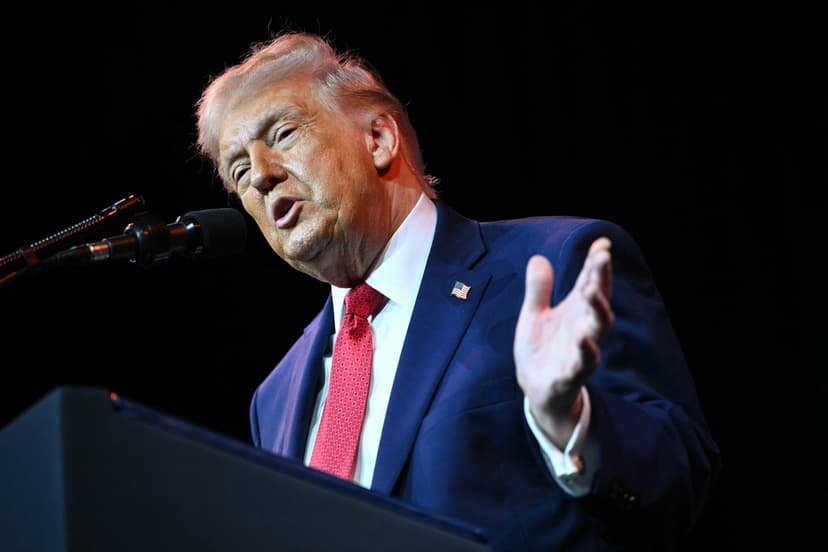
"With Srini leading Central Engineering, we're aligning innovation and execution more tightly in service to customers," Tan said in the company press release. "We are laser-focused on delivering world-class products and empowering our engineering teams to move faster and execute with excellence."
The leadership shuffle extends beyond Holthaus's departure. Kevork Kechichian, formerly of ARM, joins as head of Intel's data center group, while Jim Johnson takes over as senior vice president and general manager of Intel's client computing division. Naga Chandrasekaran, already serving as chief technology and operations officer of Intel Foundry, receives expanded responsibilities overseeing the custom chip manufacturing business.
These moves come just weeks after the U.S. government announced plans to convert existing grants into a 10% stake in Intel, with terms specifically structured to prevent Intel from selling its foundry unit. The government oversight adds pressure on Intel's foundry strategy, making the Central Engineering group's success critical to justifying the federal investment.
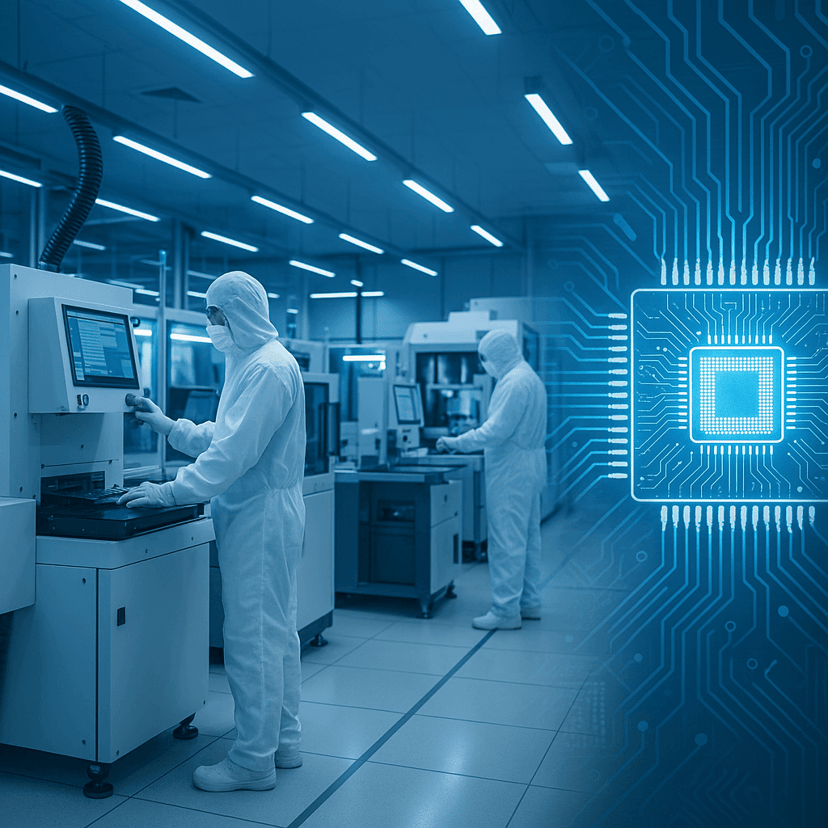
Intel's foundry business has struggled to gain traction against TSMC and Samsung, particularly in advanced node manufacturing where Apple, Nvidia, and AMD have built competitive advantages. The new custom silicon focus appears designed to leverage Intel's manufacturing capabilities while reducing dependence on its own product divisions.
Wall Street analysts have been watching Intel's leadership moves closely since Tan's appointment in March, when he replaced Pat Gelsinger amid mounting pressure to reverse market share losses. Tan previously founded semiconductor companies and brings manufacturing expertise that investors hope can revitalize Intel's competitive position.
The executive changes represent the third major leadership overhaul this year. In July, Intel hired four new executives for sales and engineering roles, including Greg Ernst as chief revenue officer. The rapid succession of appointments suggests Tan is assembling his own team while moving away from the previous administration's strategy.
For Intel's custom silicon ambitions, the Central Engineering group represents a bet that the company can compete more effectively by focusing on specific customer needs rather than trying to build one-size-fits-all products. This approach has worked for companies like Marvell and Broadcom, which have built successful businesses around custom chip design.
The timing coincides with growing demand for specialized AI and data center processors, markets where Intel has lost ground to Nvidia and AMD. By creating a dedicated engineering organization, Intel aims to respond faster to customer requirements and potentially win back deals that have migrated to competitors.
Intel's leadership overhaul signals CEO Lip-Bu Tan's determination to rebuild the company's competitive position through focused execution and customer-driven engineering. With government oversight ensuring the foundry business remains intact, the success of the new Central Engineering group could determine whether Intel can reclaim market share in AI and custom silicon markets or continue ceding ground to more agile competitors.