TL;DR:
• Analyst calls government Intel stake "essential" for national security amid Trump admin considerations
• Intel shares jump 4%, tracking toward best week in 25+ years on intervention speculation
• CHIPS Act funds could structure potential government equity position
• Move aims to reduce U.S. reliance on Samsung and TSMC for critical chip manufacturing
A government stake in Intel is "essential" for national security, analyst Gil Luria declared Friday as the Trump administration weighs unprecedented intervention in the struggling chipmaker. The bombshell assessment comes as Intel shares surge over 4% on reports the White House could use CHIPS Act funds to take an equity position in America's last major semiconductor manufacturer.
D.A. Davidson's Gil Luria just delivered the most forceful defense yet of potential government intervention in Intel, calling it a national security imperative that transcends traditional free-market principles. "We're all capitalists," Luria told CNBC's Squawk Box Friday morning. "We don't want government to intervene and own private enterprise, but this is national security."
The comments landed as Intel shares climbed over 4%, putting the beleaguered chipmaker on track for its best week in more than 25 years. The surge follows Bloomberg's bombshell report Thursday that the Trump administration is actively discussing taking a government stake in the company.
Intel declined to comment on the reports, but the market reaction speaks volumes about investor appetite for dramatic intervention. The stock has been hammered in recent years as the company lost ground to competitors and struggled with manufacturing delays that opened the door for Taiwan Semiconductor and Samsung to dominate critical chip production.
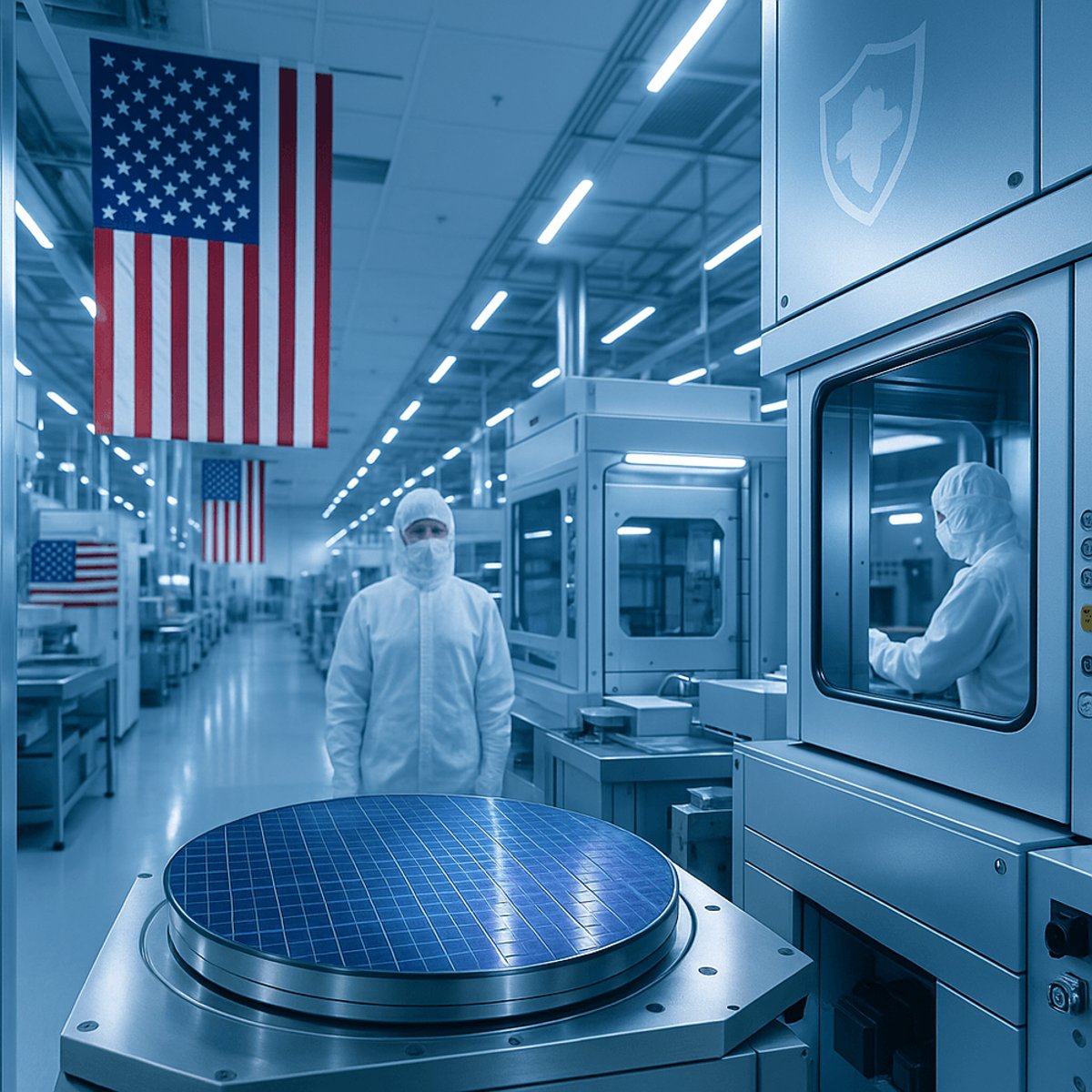
Luria's national security argument centers on America's dangerous dependence on foreign manufacturers for the semiconductors that power everything from smartphones to weapons systems. "We can't rely on somebody else making shell casings for our nuclear arsenal," he said, drawing a stark parallel between chip manufacturing and military hardware. President Donald Trump has repeatedly called for more high-end technology production to return to U.S. soil.
The mechanics of potential government intervention remain murky, but Bloomberg reported Friday that the administration is eyeing CHIPS Act funding as a vehicle. Intel has already received $7.9 billion from the Department of Commerce through the program, plus roughly $3 billion for the Pentagon's Secure Enclave program.
"Intel has had many opportunities over decades to get it right, and it hasn't. So we need to intervene," Luria said bluntly. "The government's going to come in and it's going to give Intel unfair advantages, and if it's going to do that, it wants a piece of the business." The comment underscores how far Intel has fallen from its position as America's semiconductor champion.
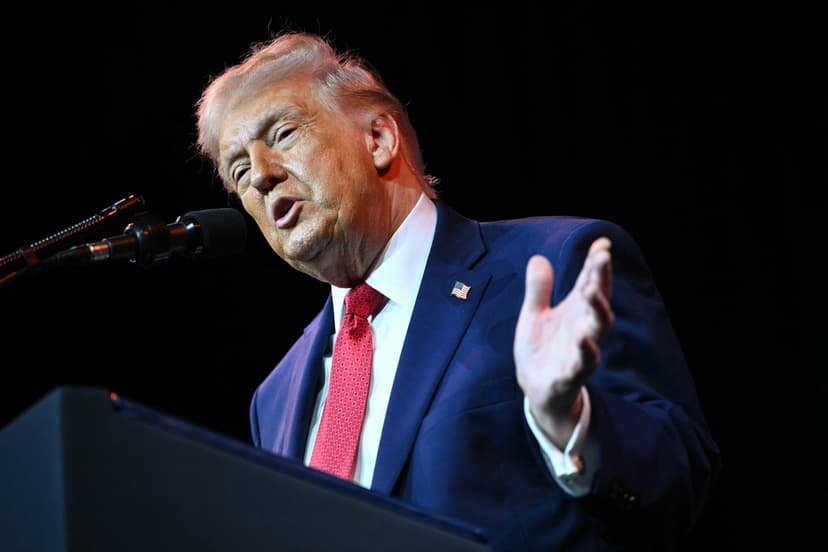
The timing is particularly sensitive given Intel CEO Lip-Bu Tan's meeting with Trump at the White House Monday, which came after the president called for his resignation over alleged ties to China. The geopolitical tensions add urgency to discussions about securing domestic chip production capabilities.
Luria invoked warnings from tech leaders about artificial intelligence risks to bolster his case for intervention. He pointed to OpenAI CEO Sam Altman and Meta CEO Mark Zuckerberg's comments that superintelligent AI could represent "the next wave of nuclear proliferation" as evidence that direct government action is required now.
The debate over government intervention in Intel represents a fundamental test of how far America will go to secure its technological sovereignty. With the chipmaker's stock surging on speculation alone, markets are betting that national security concerns will ultimately trump free-market ideology. Whether the Trump administration follows through could determine not just Intel's fate, but America's ability to compete in the AI-driven economy of the future.