Tesla's Full Self-Driving software is under federal investigation after more than 50 reported traffic violations including running red lights and crossing into opposing lanes. The NHTSA probe marks a critical escalation in autonomous vehicle safety oversight, potentially threatening Tesla's $12 billion FSD revenue stream just as the company released its latest AI-powered version.
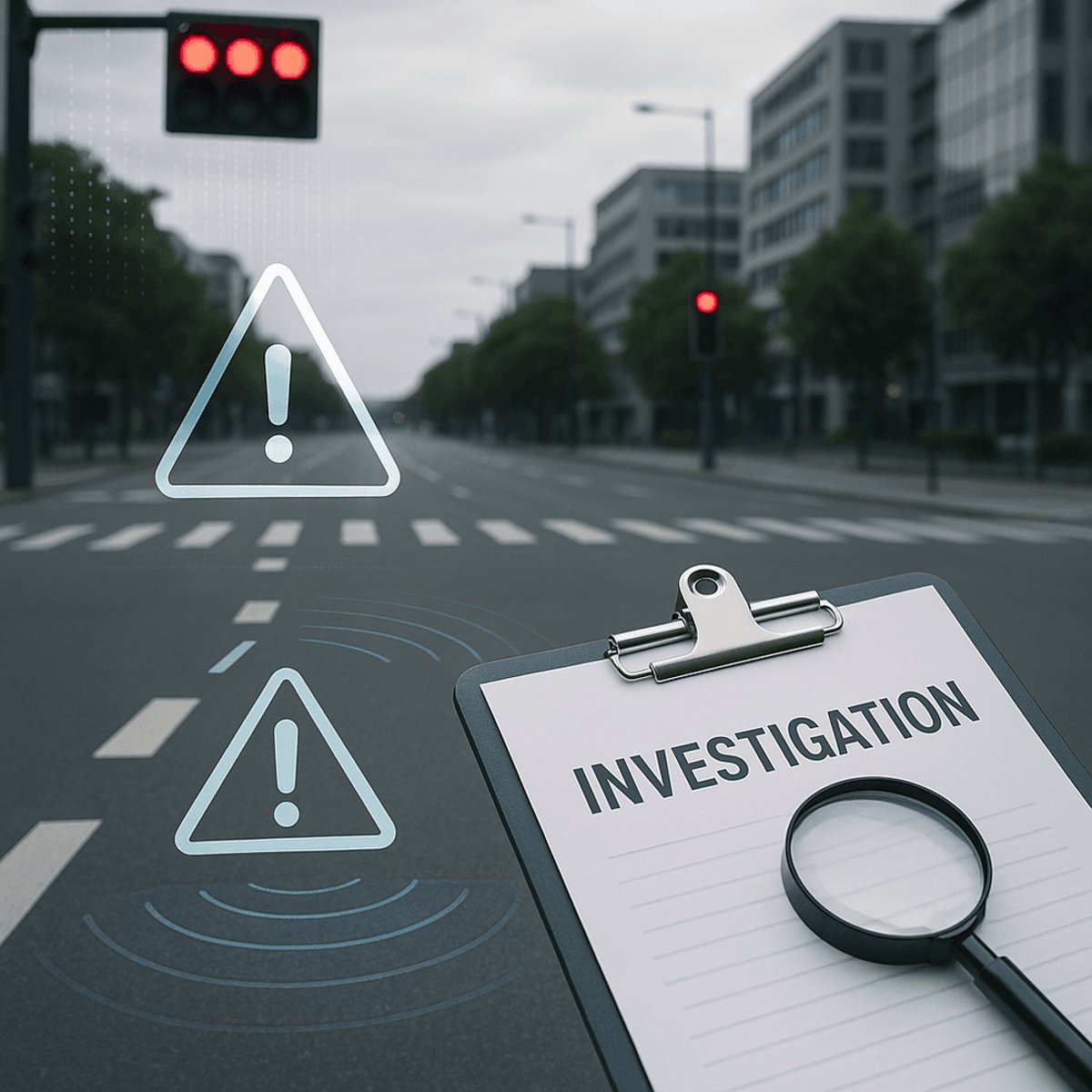
The federal government just put Tesla's autonomous driving ambitions under a microscope. The National Highway Traffic Safety Administration opened a preliminary investigation into Tesla's Full Self-Driving software after documenting over 50 incidents where the AI system violated basic traffic laws - running red lights, crossing double yellow lines, and making illegal turns that put drivers and pedestrians at risk.
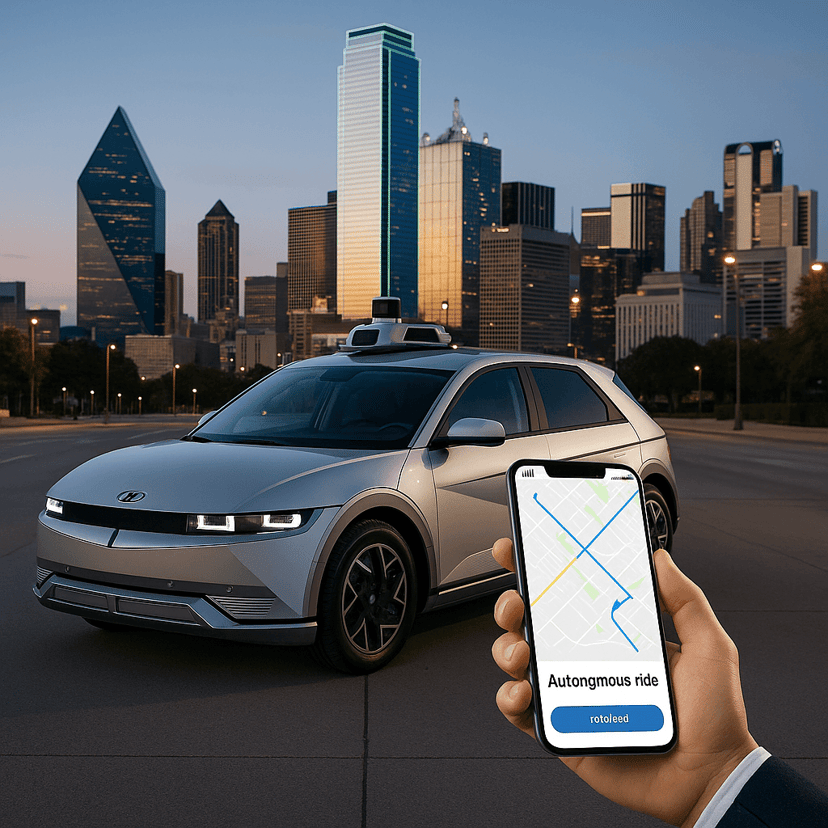
The timing couldn't be worse for Tesla. The investigation launched the same week CEO Elon Musk released FSD version 14, which he's been hyping for months as a breakthrough that incorporates real-world data from Tesla's limited robotaxi pilot in Austin, Texas. Instead of celebrating the launch, Tesla now faces potential regulatory action that could force a costly recall of its most profitable software feature.
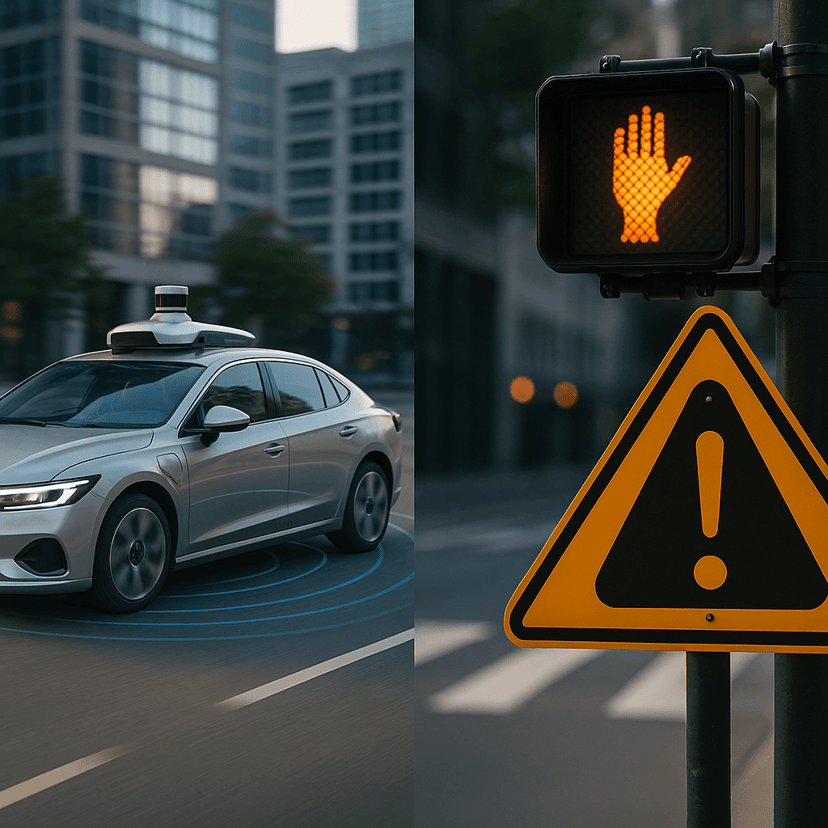
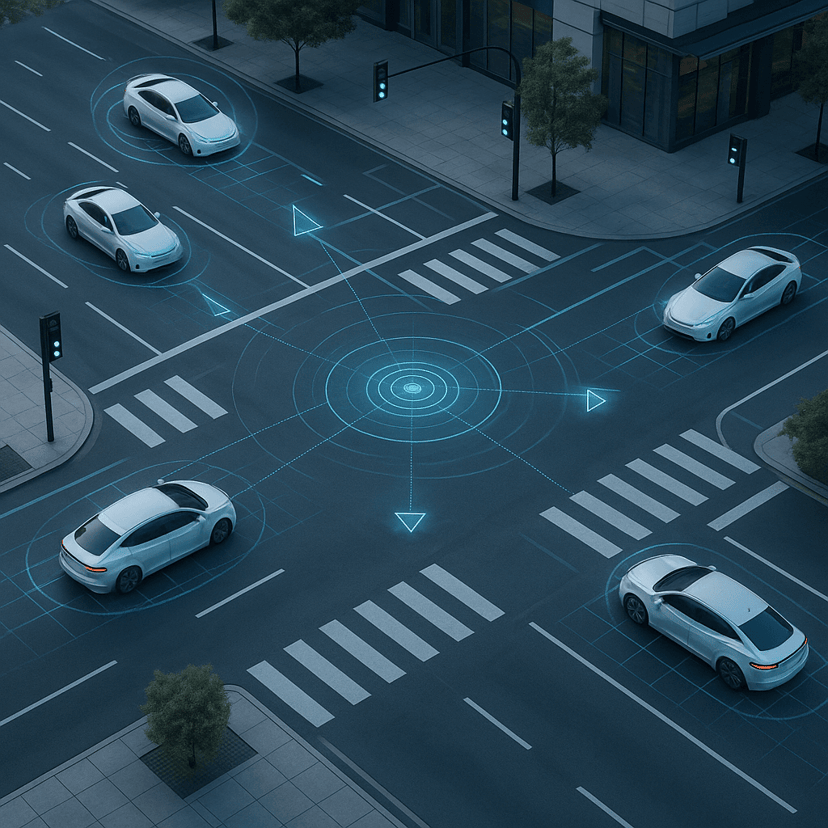
The NHTSA's Office of Defects Investigation received at least 18 complaints about FSD failing to stop at red lights, plus six additional reports through Tesla's mandatory crash reporting system. But the red light violations are just the beginning - investigators documented equally dangerous lane violations where FSD "entered opposing lanes of travel during or following a turn" and "attempted to turn onto a road in the wrong direction despite the presence of wrong-way road signs."
What's particularly alarming is the pattern of repeat violations. Multiple incidents occurred at the same intersection in Joppa, Maryland, forcing NHTSA investigators to work directly with Maryland's Transportation Authority and State Police to determine if the problems were systematic. Tesla has since "taken action to address the issue at this intersection," according to NHTSA documents, suggesting the company knew about location-specific FSD failures.
This isn't Tesla's first rodeo with federal safety investigators. NHTSA closed an investigation into Tesla's less capable Autopilot system in April 2024 after identifying 13 fatal crashes, though a separate probe into Tesla's Autopilot fixes remains open. The agency also launched another FSD investigation in October 2024 focused on crashes in low-visibility conditions.
The current investigation reveals disturbing details about how FSD endangers other drivers. "Some of the reported incidents appeared to involve FSD executing a lane change into an opposing lane of travel with little notice to a driver or opportunity to intervene," investigators wrote. That description suggests Tesla's AI makes split-second decisions that human drivers can't correct in time - exactly the scenario autonomous vehicle critics have long feared.
NHTSA's preliminary evaluation represents the first step toward a potential recall, with the agency typically completing these investigations within eight months. But Tesla faces additional headwinds from an unexpected source - Elon Musk himself. The Department of Government Efficiency, which Musk helps lead, reportedly made dramatic cuts to NHTSA's vehicle automation safety staff earlier this year, potentially slowing the very investigation into his own company's products.
For Tesla, the stakes couldn't be higher. FSD represents a massive revenue opportunity, with the company charging $8,000-$12,000 for the software package. More importantly, autonomous driving capability is central to Tesla's valuation premium over traditional automakers and its planned robotaxi business. Any recall or restriction on FSD deployment could undermine investor confidence in Tesla's AI leadership just as competitors like Waymo and Cruise expand their own autonomous services.
The investigation also highlights the broader challenge facing the autonomous vehicle industry. While companies race to deploy AI-powered driving systems, federal regulators are still developing frameworks to ensure these technologies don't compromise public safety. Tesla's approach of releasing FSD to paying customers as a "beta" test has generated valuable real-world data, but it's also created a natural experiment with public safety implications that regulators are only now fully grasping.
The NHTSA investigation represents a pivotal moment for autonomous vehicle regulation and Tesla's business model. With over 50 documented violations and the potential for an eight-month probe leading to recall requirements, Tesla must prove its AI can safely navigate real-world traffic scenarios without human intervention. The outcome will likely influence how federal regulators approach other autonomous driving systems and whether Tesla can maintain its technological edge in the race toward fully self-driving vehicles. For consumers currently using FSD, this investigation serves as a reminder that even the most advanced AI systems require constant human oversight until proven otherwise.