Tesla just secured a testing permit from Nevada's DMV to put its autonomous vehicles on public roads, marking another step in CEO Elon Musk's ambitious plan to expand robotaxi services nationwide by year-end. The permit comes as Zoox opens its Las Vegas robotaxi service to the public, intensifying competition in the autonomous ride-hailing space.
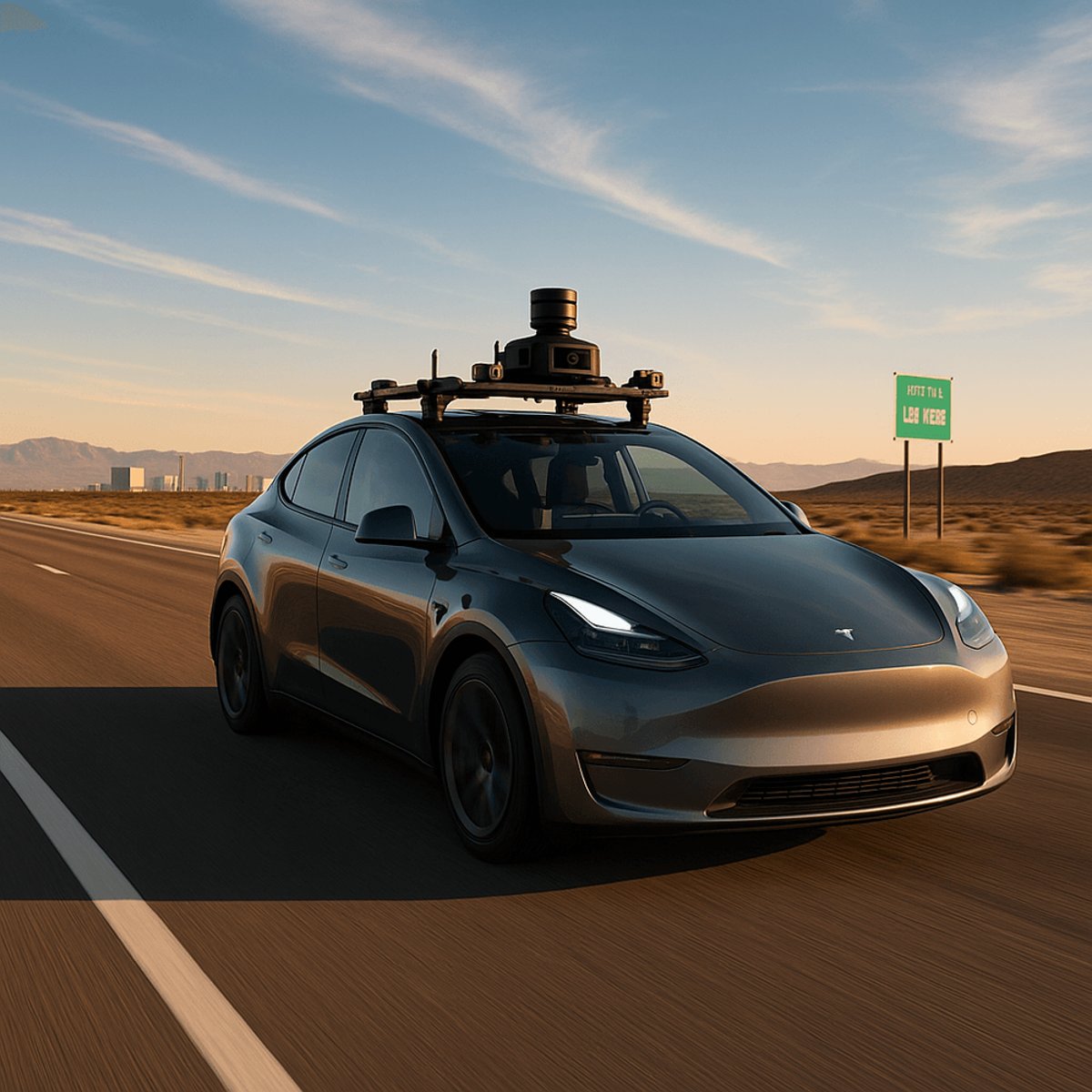
Tesla is revving up its robotaxi expansion with a fresh Nevada testing permit that puts the company one step closer to Elon Musk's bold prediction of nationwide autonomous ride-hailing by year-end. The Nevada Department of Motor Vehicles quietly issued Tesla a Certificate of Compliance for testing autonomous vehicles on public roads, complete with those distinctive red license plates that signal cutting-edge tech is cruising your neighborhood.
The timing isn't coincidental. Just two months ago, Musk laid out his most aggressive autonomous vehicle timeline yet during Tesla's Q2 earnings call, declaring the company would "greatly increase the service area to well in excess of what competitors are doing." His target list? Bay Area, Nevada, Arizona, Florida, and beyond - with autonomous ride-hailing reaching "probably half the population of the U.S. by the end of the year."
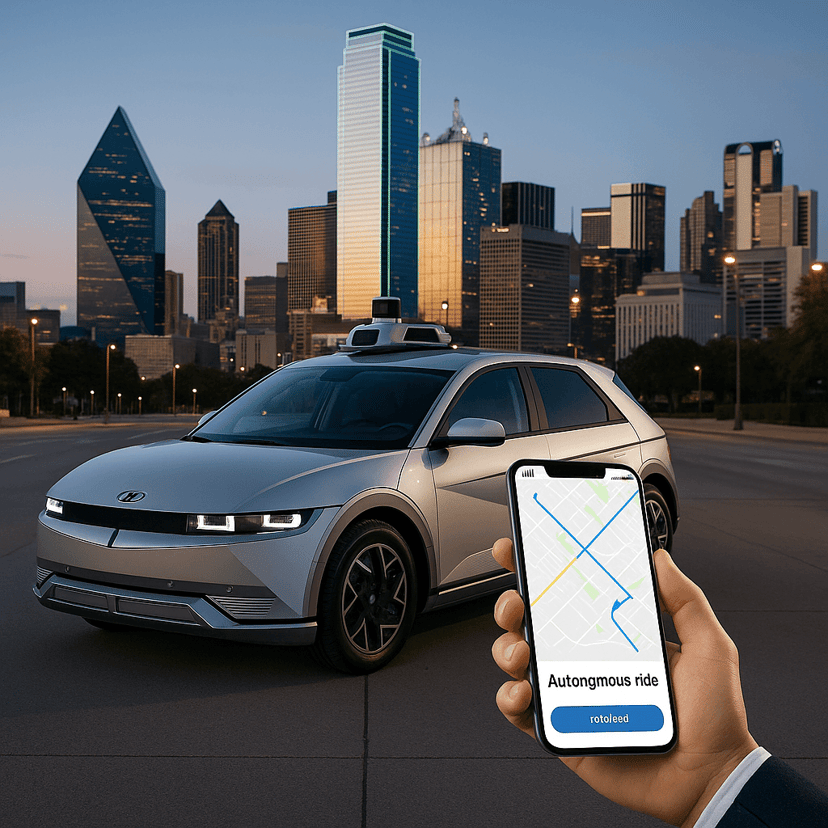
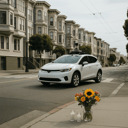
That ambition is already taking shape in Austin, where Tesla launched its robotaxi service this summer using driverless Model Y SUVs. The service, which still includes a Tesla employee in the passenger seat for safety monitoring, started in South Austin and has steadily expanded coverage across the city. Now Nevada becomes the next testing ground for Tesla's Full Self-Driving technology.
Nevada's regulatory approach makes it an attractive launchpad for autonomous vehicle companies. Unlike California's more complex approval process, Nevada simply requires companies to complete a testing registry form, maintain $5 million in insurance coverage, and report any traffic incidents within 10 days. It's a streamlined path that has made the Silver State a hotbed for autonomous vehicle development.
The competitive landscape in Nevada is heating up fast. Zoox just opened its Las Vegas robotaxi service to the public this week, offering free rides in its distinctive cube-shaped vehicles while awaiting commercial approval. Motional and Lyft have been testing on Las Vegas streets for years, while Nuro operates a closed test track facility in the state.
But Tesla's entry carries different implications. Where competitors like Zoox built purpose-designed robotaxis from scratch, Tesla is betting it can transform millions of existing Model Y vehicles into an autonomous fleet using over-the-air software updates. It's a scalability play that could reshape the entire transportation industry if the technology proves reliable.
The regulatory hurdles remain significant. While Tesla can now test in Nevada, operating a commercial robotaxi business requires additional approval from the Nevada Transportation Authority to function as an autonomous vehicle network company. That's the same barrier Zoox faces as it offers free rides while pursuing paid service authorization.
Musk's timeline of reaching half the US population with autonomous ride-hailing by December 2025 depends entirely on these regulatory approvals coming through quickly across multiple states. Each jurisdiction has different requirements, safety standards, and approval processes that could slow the rollout.
The Nevada permit also raises questions about Tesla's readiness for true driverless operation. The company's Austin service still requires human safety operators, and its Full Self-Driving system remains in beta testing despite years of development. Competitors like Waymo have logged millions of autonomous miles without safety drivers, setting a high bar for what regulators consider commercially ready.
For Tesla shareholders and the broader autonomous vehicle industry, Nevada represents a crucial test case. If Tesla can successfully demonstrate safe, reliable autonomous operation in Nevada's diverse driving conditions - from Las Vegas traffic to rural highways - it could accelerate approvals in other states and validate Musk's aggressive expansion timeline.
The stakes extend beyond Tesla. The autonomous vehicle industry has burned through billions in investment while struggling to achieve profitable, large-scale deployment. Tesla's approach of leveraging existing vehicle production and its vast data collection network could finally crack the code on autonomous vehicle economics, or expose fundamental limitations in camera-based self-driving systems.
Tesla's Nevada testing permit marks another milestone in the race to commercialize autonomous ride-hailing, but the real test lies ahead. With Zoox already offering public rides in Las Vegas and established players like Waymo setting safety benchmarks, Tesla must prove its camera-based approach can deliver the reliability needed for truly driverless operation. Musk's year-end timeline for nationwide expansion will depend on regulatory approvals moving as quickly as Tesla's technology development - a coordination challenge that has tripped up the autonomous vehicle industry before.