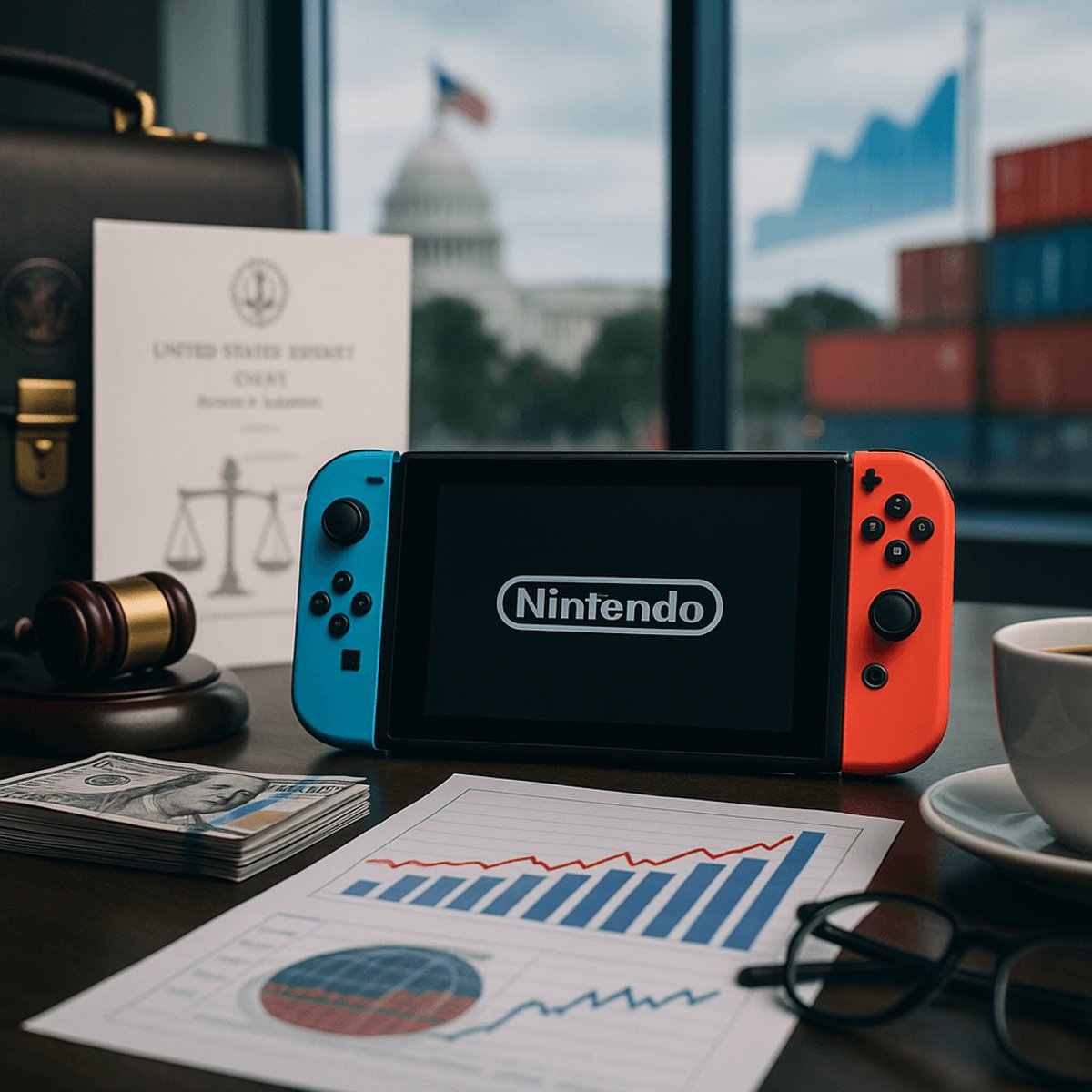
Nintendo is taking the US government to court, demanding a refund on tariffs it paid before the Supreme Court struck down sweeping presidential trade restrictions. The lawsuit, filed Friday, positions the gaming giant at the forefront of what could become a wave of corporate claims seeking billions in tariff recoveries. The move comes as thousands of companies that absorbed similar costs now eye the legal precedent Nintendo is setting, potentially reshaping how tech hardware makers navigate future trade disputes.
Nintendo just fired a legal shot that could cost the US Treasury billions. The Japanese gaming giant filed suit in federal court Friday, demanding a refund on tariffs it paid under trade restrictions the Supreme Court recently deemed unconstitutional. According to TechCrunch, the company absorbed substantial costs on hardware imports before the high court's decision dismantled the legal foundation for those charges.
The timing isn't coincidental. Nintendo's legal team moved swiftly after the Supreme Court ruling opened a narrow window for companies to reclaim what they argue were illegally collected fees. The tariffs hit Nintendo particularly hard, affecting imports of Switch consoles, accessories, and components manufactured in Asia. While the company hasn't disclosed exact figures, industry analysts estimate major electronics importers each paid tens of millions in tariff costs during the period in question.
Nintendo isn't alone in its predicament. The presidential tariffs cast a wide net across consumer tech, ensnaring everyone from smartphone makers to laptop manufacturers. Thousands of companies found themselves paying premiums on goods ranging from semiconductors to finished products. The Supreme Court's decision essentially pulled the rug out from under the entire tariff structure, but it didn't automatically trigger refunds—companies have to fight for that money themselves.
The lawsuit sets up a fascinating test of administrative law. When the government collects fees under rules later struck down, does it owe that money back? Nintendo's attorneys are betting yes, but the legal precedent is murky. Trade experts note the government typically resists mass refunds, arguing companies should have challenged the tariffs in real-time rather than paying under protest. That argument feels weak here, given how quickly the Supreme Court moved and how few companies had the resources to mount simultaneous legal challenges while keeping their supply chains running.
What makes this case particularly significant is Nintendo's status as a bellwether. The company's brand recognition and financial stability give it unusual leverage in a fight that smaller importers might not survive. If Nintendo wins, it essentially paves the way for an avalanche of similar claims. If it loses, companies that paid billions in tariffs will have little recourse, effectively making the Supreme Court's decision feel hollow.
The implications ripple beyond gaming. Apple, Samsung, and other hardware manufacturers faced similar tariff burdens. Many absorbed the costs rather than passing them to consumers or disrupting supply chains. Those companies are now watching Nintendo's case closely, with legal teams on standby to file their own claims depending on the outcome. The potential refund pool could reach into the tens of billions when you add up every affected shipment across multiple quarters.
Trade attorneys say the case will likely hinge on technical questions about sovereign immunity and the Administrative Procedure Act. The government will argue it can't be sued for implementing policies that seemed valid at the time, even if courts later disagreed. Nintendo will counter that the Supreme Court's decision was essentially retroactive, invalidating tariffs from the moment they were imposed. Both arguments have merit, which means this could drag through appeals for years.
For Nintendo, the financial stakes are substantial but not existential. The company posted strong earnings last quarter and maintains healthy cash reserves. But the principle matters—and so does the precedent. Gaming hardware operates on thin margins, and unexpected tariff costs can turn profitable product lines into money losers. Getting that money back would validate Nintendo's decision to comply with regulations while preserving its right to challenge them.
The broader tech industry is holding its breath. If companies can claw back tariff payments, it changes the calculus for how they respond to future trade restrictions. Pay now and sue later becomes a viable strategy, rather than the current choice between compliance and confrontation. That shift would fundamentally alter the relationship between government trade policy and corporate behavior.
Nintendo's lawsuit represents more than one company's attempt to recover tariff payments—it's a referendum on how the US handles trade policy mistakes. The outcome will determine whether thousands of tech companies can reclaim billions in fees, or whether paying unconstitutional tariffs is just the cost of doing business. Either way, the case signals that major corporations won't simply write off these costs as sunk expenses. The Supreme Court opened the door with its ruling; Nintendo is now testing whether anything meaningful lies on the other side.