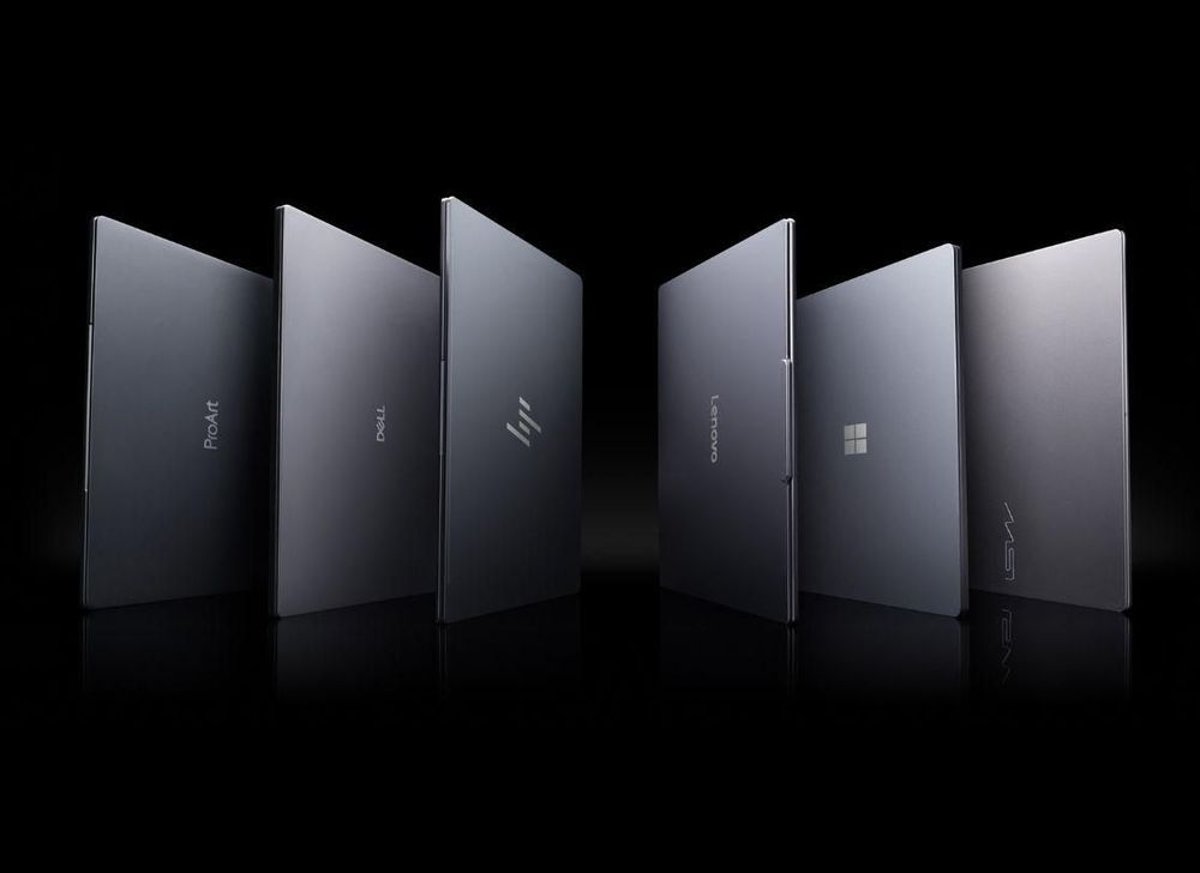
Nvidia just made its boldest play yet for the laptop market. The chipmaker unveiled its RTX Spark lineup at Computex 2026, and six major PC makers - Microsoft, Asus, HP, MSI, Lenovo, and Dell - are already lining up devices for a fall launch. It's Nvidia's first real shot at consumer laptop processors, pitting its Arm-based superchip against Intel and AMD's x86 dominance while leveraging its GPU prowess in an AI-hungry market.
Nvidia is done being just the GPU company. At Computex 2026, the chipmaker threw down the gauntlet in the laptop processor wars with RTX Spark, an Arm-based superchip that bundles CPU, GPU, and AI accelerators into a single package. And it's not entering the market alone - Microsoft, Asus, HP, MSI, Lenovo, and Dell have all committed to launching RTX Spark-powered laptops this fall.
The flagship configuration revealed at the show is a beast on paper. Nvidia's cramming 20 CPU cores and 6,144 GPU cores into the chip, backed by 128GB of LPDDR5X memory. According to details shared by The Verge, the specs make it nearly identical to the GB10 chip referenced in earlier leaks. But what's really interesting isn't just the raw numbers - it's what this represents for Nvidia's broader strategy.
For years, Nvidia has watched Intel and AMD carve up the laptop CPU market while it supplied discrete GPUs. Now, with AI workloads becoming mainstream and Arm architecture proving viable for Windows thanks to Microsoft's Copilot+ PC initiative, Nvidia sees an opening. The RTX Spark isn't just about matching x86 performance - it's about delivering AI acceleration that Intel and AMD's current chips can't touch.
The OEM lineup tells you everything about Nvidia's ambitions. Getting Microsoft on board is huge, especially after the company's push into Arm-based Surface devices. Dell and HP bring enterprise credibility, while Asus, MSI, and Lenovo cover the gaming and enthusiast segments where Nvidia's brand already dominates. It's a coordinated assault across every laptop category that matters.
But there's a catch. Details on actual performance, battery life, and app compatibility remain scarce. Nvidia shared what the laptops look like and confirmed the fall timing, but hard benchmarks and real-world testing are still months away. The Arm transition for Windows has been rocky before - Microsoft's Surface RT disaster proved that hardware specs don't matter if the software ecosystem isn't ready.
What Nvidia does have going for it is timing. AI features are selling laptops now, not someday. Every PC maker is scrambling to integrate local LLM processing, image generation, and AI-enhanced workflows. Nvidia's decades of GPU architecture experience and CUDA ecosystem give it a massive head start in optimizing those workloads compared to Intel's fledgling AI accelerators.
The chip variations mentioned by partners suggest Nvidia isn't taking a one-size-fits-all approach. Expect to see different core counts, memory configurations, and power envelopes targeting everything from ultraportables to desktop replacement rigs. That flexibility could be key to gaining traction across price points and use cases.
For Intel and AMD, this is the nightmare scenario. Nvidia isn't just another Arm vendor trying to nibble at market share - it's a company with deep pockets, OEM relationships, and a brand that resonates with the exact customers (gamers, creators, AI developers) driving premium laptop sales. If RTX Spark delivers on performance and compatibility, the x86 duopoly faces its first real threat in decades.
The fall launch window puts these devices right in the holiday shopping season and positions them against Intel's next-gen Core Ultra chips and AMD's Zen 6 mobile parts. Nvidia's betting that integrated AI performance and GPU capabilities will outweigh any x86 app compatibility concerns. It's a risky play, but the OEM commitment suggests the demos were convincing enough to get partners on board despite the platform risk.
Nvidia's RTX Spark represents more than just another chip launch - it's a direct challenge to the established PC processor order. With six major OEMs committed to fall devices and specs that prioritize AI workloads over legacy compatibility, Nvidia is banking that the future of computing looks more like its GPU-centric vision than Intel's x86 past. The real test comes when reviewers get their hands on final hardware and users discover whether Arm-based Windows has finally matured enough for mainstream adoption. If Nvidia pulls this off, the laptop market will never look the same.