Big Tech's AI spending spree just hit overdrive. Google, Meta, and Microsoft collectively raised their capital expenditure forecasts by tens of billions this week, signaling that the artificial intelligence infrastructure buildout won't slow down despite Fed Chair Jerome Powell's cautious tone on future rate cuts. The message is clear: AI demand is so strong that these companies are willing to spend over $200 billion combined to stay ahead.
The numbers are staggering, and they're only getting bigger. Google just shattered its own spending projections, bumping 2025 capital expenditures to a massive $91-93 billion range - that's up from the already eye-watering $75-85 billion forecast just months ago. But here's the kicker: CFO Anat Ashkenazi told investors to expect "a significant increase" in 2026, according to SEC filings released yesterday.
Meta isn't backing down either. The social media giant raised the floor on its 2025 capex guidance to $70 billion from $66 billion, with CEO Mark Zuckerberg doubling down on the AI bet. "Being able to make a significantly larger investment here is very likely to be a profitable thing," he told analysts during Meta's earnings call, brushing off concerns about returns on these massive investments.
Meanwhile, Microsoft is quietly outspending everyone on a quarterly basis. CFO Amy Hood revealed that Q1 capex hit $34.9 billion - nearly $5 billion above the $30 billion estimate from July. She also dropped a bombshell: capex growth in fiscal 2026 will actually accelerate beyond 2025 levels.
The timing couldn't be more interesting. Federal Reserve Chair Jerome Powell just threw cold water on December rate cut expectations, sending Treasury yields higher and tech stocks initially lower. But these capex announcements suggest Big Tech isn't worried about borrowing costs when it comes to AI infrastructure. The demand signal is that strong.
What's driving this spending frenzy? It's not just hype anymore. Google's Cloud division posted its first $100 billion quarterly revenue milestone, while Meta's AI-powered ad targeting is generating measurable returns. Microsoft's Azure AI services are seeing enterprise adoption accelerate faster than expected.
"The crux is that spending on artificial intelligence isn't going to slow down, at least for the next year, thanks to increasing demand for AI services," according to CNBC's analysis of the earnings calls. Translation: the AI infrastructure arms race is just getting started.
Investors are starting to view this differently too. Rather than questioning the massive capex outlays, Wall Street seems to be rewarding companies that can demonstrate they're capturing AI demand. All three companies beat earnings expectations on both revenue and profit, suggesting the current spending levels aren't crushing margins - yet.
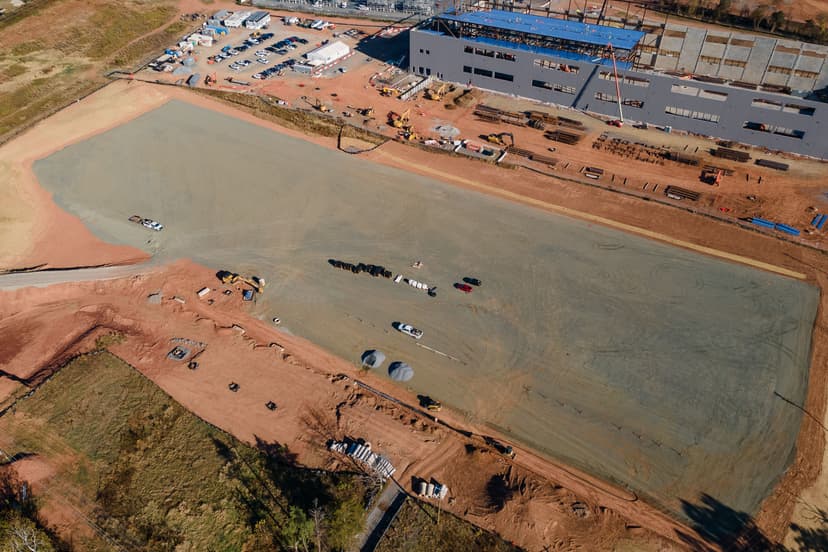
The competitive dynamics are fascinating. Google is racing to build out data centers and custom AI chips to support its search dominance and cloud ambitions. Meta is betting that AI-powered social experiences and advertising will justify the billions in infrastructure costs. Microsoft is leveraging its OpenAI partnership to become the enterprise AI platform of choice.
But here's what's really telling: none of these companies are talking about slowing down. If anything, they're accelerating. That suggests either incredible confidence in AI monetization or fear of being left behind - probably both.
The bubble fears that dominated tech conversations earlier this year are taking a backseat to competitive reality. When your biggest rivals are spending tens of billions on AI infrastructure, sitting on the sidelines isn't an option. The question isn't whether to invest in AI anymore - it's how fast you can build before demand outstrips supply.
Big Tech's collective $200+ billion AI spending spree isn't slowing down - it's accelerating. Despite Fed uncertainty and bubble concerns, Google, Meta, and Microsoft are doubling down on AI infrastructure investments because the demand signals are too strong to ignore. This isn't just about staying competitive anymore; it's about capturing what could be the largest technology shift since the internet itself. For investors, the message is clear: AI capex isn't a cost center to worry about - it's the foundation for the next decade of tech dominance.